
It’s no secret that in today’s world, we have a lot of uncertainty surrounding us. Whether it’s economic instability, natural disasters, or even terrorism, we are all living in a very unpredictable world. This is why it is so important to prepare for anything that may happen. The most important thing to remember is that if you’re not prepared, you will be at a disadvantage when disaster strikes.
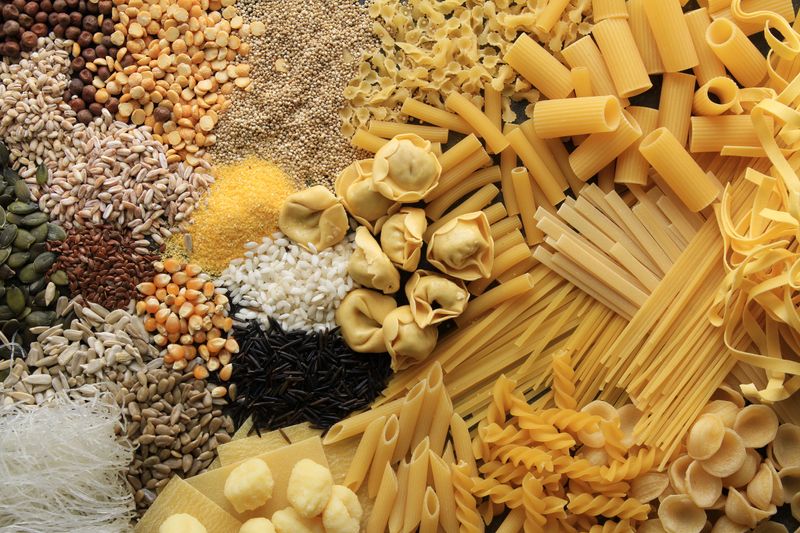
If you want to survive any type of catastrophe, you need to have food stored up. There are many different types of food that you can store, but grains and wheat are two of the most important foods you should store. These two foods are very versatile and can be used in many different recipes. They also do not spoil as easily as other types of food, so they are perfect for long term storage. You can use these foods to feed your family for years.
The best way to store grains and wheat is to buy them in bulk. This is because they are usually priced per pound. Buying them in bulk means that you are only paying for what you actually need. It also means that you will save money by buying them in bulk. The next step is to find a place where you can store them properly. You want to make sure that they are dry and cool. The last thing you want is to have your grains and wheat spoiled before you get a chance to use them. If you can’t store them properly, then you will never be able to use them.
There are many places that you can buy grains and wheat. You can buy them online or from a local grocery store. Either way, you will want to make sure that you buy them in bulk. This will help you save money and ensure that you have enough food to last you for several months. Once you have purchased them, it is time to get them stored. You will want to put them in a cool, dry area. You can purchase a grain and wheat storage container that will allow you to store them properly.
The next thing you want to do is figure out how much food you need to store. To do this, you will want to multiply your monthly food budget by 3 months. This will give you an idea of how much food you will need to store. When you know how much food you need, you will want to divide it by the number of people that you will be feeding. This will give you the amount of pounds of food you need to store. This will give you an indication of how much food you need to buy.
Popular Questions
How should you store grains and wheat for long-term use?
Store clean, dry grains and wheat in airtight, food-grade containers that block moisture, pests, and light. Keep the containers in a cool, dry location with stable temperatures, away from heat sources and damp floors. Label each container with the grain type and storage date so older supplies can be used first.
What containers are best for storing grains and wheat?
Food-grade buckets with tight-fitting lids, sealed Mylar bags, and glass jars can all work well for storing grains and wheat. Choose containers that are durable, moisture-resistant, and appropriately sized to limit excess air after opening. Avoid containers that previously held chemicals or strongly scented foods, since grains can absorb odors and contaminants.
How can you protect stored grains and wheat from insects?
Inspect grains and wheat for insects, damage, or moisture before placing them in storage. Use airtight packaging, keep the storage area clean, and avoid mixing newly purchased grain with older supplies until it has been checked. Rotate stored food regularly and discard any grain showing webbing, larvae, unusual odors, or visible mold.
How long can grains and wheat be stored safely?
The storage life of grains and wheat depends on moisture content, packaging, temperature, and the type of grain. Whole wheat and other grains generally last longer when thoroughly dry and sealed in airtight containers in a cool, dark place. Check stored supplies periodically for rancid smells, mold, insects, or changes in texture before using them.
Auto Amazon Links: No products found.





