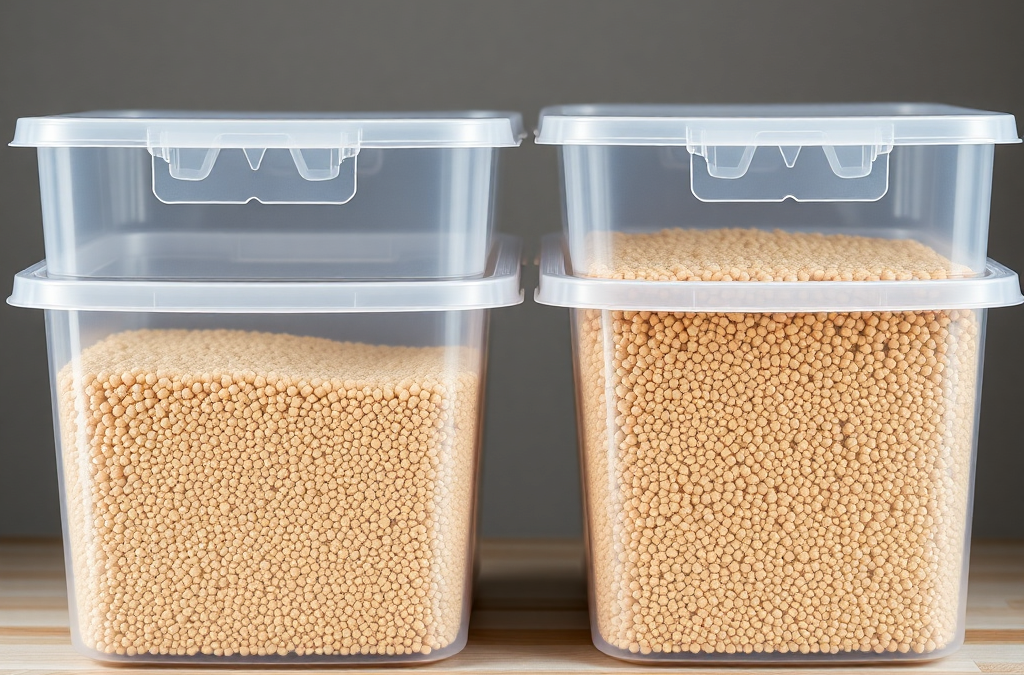
To store grains safely in plastic bins, ensure the bins are airtight and made from food-grade materials. First, clean and dry the bins thoroughly to prevent moisture buildup. Then, fill the bins with grains, leaving some space at the top for air circulation. Seal the bins tightly and store them in a cool, dark place to protect against pests and spoilage. Regularly check for signs of moisture or infestation to maintain grain quality.
Understanding the Importance of Proper Grain Storage
Proper grain storage is crucial for maintaining the quality and longevity of grains. When grains are stored correctly, they can last for months or even years without losing their nutritional value or developing spoilage issues. The primary threats to grain quality include moisture, pests, and exposure to light. By understanding these threats and implementing effective storage techniques, you can significantly extend the shelf life of your grains.
One common misconception is that all storage containers are suitable for grain. In reality, using non-food-grade bins can lead to contamination and spoilage. Additionally, improper sealing can allow moisture and pests to infiltrate the container, leading to mold growth and infestations. Therefore, selecting the right storage method and materials is essential for preserving grain quality.
Choosing the Right Plastic Bins
When selecting plastic bins for grain storage, it’s essential to choose containers specifically designed for food storage. Look for bins that are labeled as food-grade and BPA-free, as these materials are safe for storing consumables. Airtight containers are ideal, as they prevent air exchange that can lead to moisture buildup and spoilage.
Consider the size of the bins based on the amount of grain you plan to store. Smaller bins are easier to handle and can help you manage different types of grains effectively. Clear bins can be beneficial because they allow you to see the contents without opening them, but opaque bins are better for protecting grains from light exposure.
Preparing Grains Before Storage
Before placing grains into storage bins, it is essential to prepare them properly. Start by checking for any signs of moisture or spoilage. If grains have been previously opened, ensure they are completely dry before storage. One effective method is to spread grains out on a clean, dry surface and let them air out for a few hours.
Additionally, consider using food-safe desiccants to absorb any residual moisture. Silica gel packets or other moisture-absorbing materials can be placed inside the bins to help keep the environment dry. However, ensure that these desiccants are not in direct contact with the grains to avoid contamination.
Best Practices for Storing Grains in Plastic Bins
Once your bins are ready and the grains are prepared, it’s time to store them effectively. Begin by filling the bins with the grains, leaving a little space at the top to allow for air circulation. This space can help prevent condensation, which can lead to spoilage.
After filling the bins, seal them tightly. If the bins have a locking mechanism, ensure it is engaged to maintain an airtight seal. Store the bins in a cool, dark place, as heat and light can degrade grain quality. A pantry, basement, or dedicated storage area is ideal for this purpose.
Regularly monitor your stored grains. Check for any signs of moisture or pest activity, such as unusual odors or visible insects. If you notice any issues, it’s crucial to address them immediately to prevent further contamination.
Maintaining Grain Quality During Storage
Maintaining the quality of stored grains involves regular monitoring and proper care. It’s advisable to conduct periodic checks on your stored grains, ideally every few months. During these checks, look for signs of moisture, pests, or spoilage.
Consider rotating your grain supply. Using older grains first ensures that you are consuming them while they are still at their best quality. Labeling your bins with the date of storage can help you keep track of which grains to use first.
Get Whole Wheat Flour, Grains and Milling Supplies – CLICK HERE

In addition to monitoring, be aware of the environmental conditions in your storage area. High humidity can lead to moisture problems, while extreme temperatures can affect grain quality. If necessary, use a dehumidifier or air conditioner to create a stable environment for your grains.
Frequently Asked Questions
What types of plastic bins are best for storing grains?
Food-grade, airtight plastic bins are the best choice for storing grains, as they prevent moisture and pests from contaminating the contents.
How can I tell if my grains have gone bad?
Signs of spoilage include unusual odors, discoloration, and the presence of pests. If you notice any of these signs, it’s best to discard the affected grains.
Can I use ordinary plastic bins for grain storage?
Ordinary plastic bins may not be suitable for grain storage as they could leach harmful chemicals. Always opt for food-grade bins specifically designed for storage.
What is the ideal temperature for storing grains?
The ideal temperature for storing grains is between 50°F and 70°F. Keeping them in a cool, dark place helps maintain their quality.
How often should I check my stored grains?
It's recommended to check stored grains every few months to ensure they remain free of moisture and pests.
Conclusion
Storing grains safely in plastic bins is essential for preserving their quality and longevity. By choosing the right bins, preparing the grains properly, and following best practices for storage, you can significantly extend the shelf life of your grains. Regular monitoring and maintaining optimal storage conditions will help ensure your grains remain fresh and safe for consumption. Take the necessary steps today to protect your grain supply and enjoy its benefits for months to come.
Get Whole Wheat Flour, Grains and Milling Supplies – CLICK HERE
Auto Amazon Links: No products found.
Further Reading
Authoritative Sources
- Tips to Protect Grain Quality After Harvest - Adaptive Agriculture
adaptiveagriculture.usSafe grain storage starts with good bin management. Drying grain to the right moisture level, preparing bins properly, managing aeration, and ...
- Long Term Storage: How to Store Grains and Legumes
providenthomecompanion.comMy favorite container for storing grain is a 5- or 6-gallon plastic bucket. A 5-gallon bucket will hold about 40 lbs of wheat or about 35 ...
- Food grain in large plastic bags — a safe storage
agricultural-engineering.euFreshly harvested wheat was stored for six months without additives in the large plastic bags and the quality is compared to that of a conventional storage. The ...
- Tips for Good Grain Storage Management | Kentucky Pest News
kentuckypestnews.wordpress.comBriefly, essential conditions that prevent any insect activity in stored grains include keeping bins clean inside and out as soon as they ...