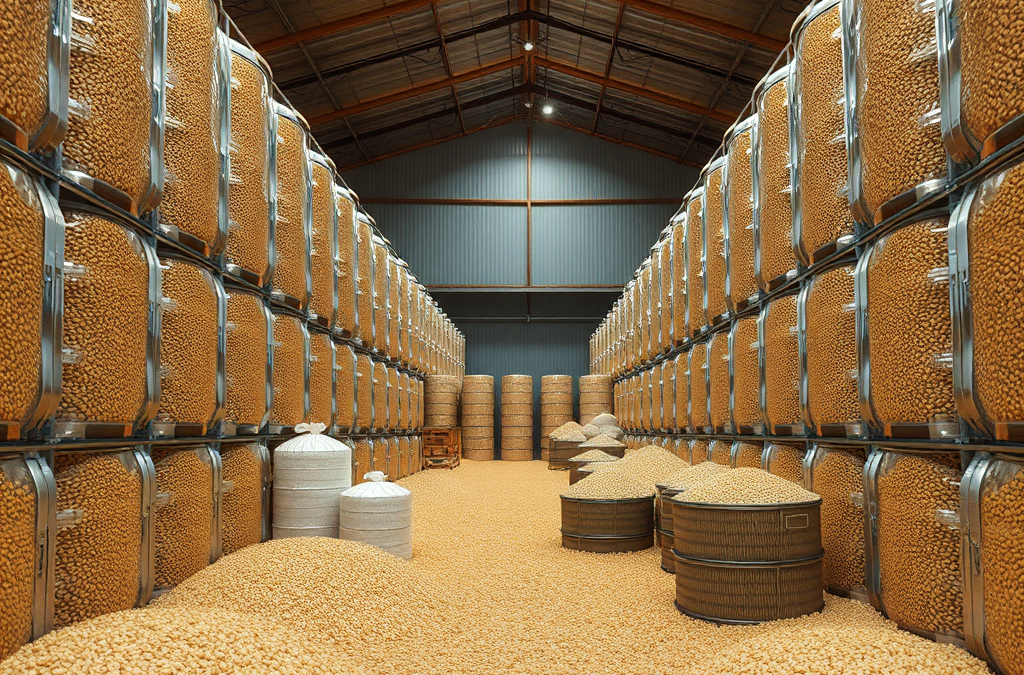
Improving air circulation in grain storage is essential to prevent spoilage and maintain quality. Key methods include using aeration systems, ensuring proper ventilation, and regularly monitoring humidity levels. Implementing these strategies helps reduce moisture buildup and the risk of mold, ensuring grains remain fresh and safe for consumption. Regular inspection of storage facilities is crucial to identify any airflow blockages and maintain optimal conditions.
Understanding Air Circulation in Grain Storage
Air circulation is vital in grain storage as it helps maintain optimal moisture levels and temperature, preventing spoilage and pest infestations. When grains are stored, they can release moisture, which, if not adequately ventilated, can lead to mold growth and degradation of quality. Understanding the principles of air movement and the factors affecting it is the first step toward effective grain storage management.
Grain storage facilities must be designed to allow for adequate airflow. This can include the use of fans, vents, and aeration ducts that facilitate the movement of air throughout the stored grains. Additionally, the layout of the storage facility can impact airflow; for example, tightly packed grains can hinder air movement, leading to uneven cooling and moisture retention.
Methods to Enhance Airflow
To improve air circulation in grain storage, several methods can be employed:
- Aeration Systems: Installing aeration systems can significantly enhance airflow. These systems use fans to circulate air through the grain, helping to regulate temperature and moisture levels. Properly designed aeration systems can help maintain uniform conditions throughout the storage facility.
- Ventilation: Ensuring adequate ventilation is crucial. This can involve installing vents at strategic locations to allow fresh air to enter while stale air escapes. Cross-ventilation is particularly effective, as it promotes more uniform air distribution.
- Regular Monitoring: Implementing a monitoring system to track temperature and humidity levels is essential. Sensors can provide real-time data, allowing for timely adjustments to airflow and ventilation when necessary.
- Stacking and Spacing: The way grains are stacked can also impact air circulation. Avoiding overpacking and providing adequate spacing between piles can facilitate better airflow, preventing moisture accumulation.
By applying these methods, grain storage facilities can maintain a stable environment that minimizes spoilage risks.
Monitoring and Maintenance Practices
Routine monitoring and maintenance are crucial for sustaining effective air circulation in grain storage. Regular inspections should be conducted to check for any obstructions in airflow, such as dust build-up, damaged fans, or blocked vents. Cleaning the storage area and ensuring that all equipment is functioning properly can prevent airflow disruptions.
Additionally, seasonal maintenance checks can help prepare the facility for changing weather conditions. For instance, in warmer months, humidity levels may rise, necessitating increased airflow. Conversely, during colder months, adjustments may be needed to prevent overcooling of the grains.
Implementing a proactive maintenance schedule can significantly enhance the longevity of the storage facility and the quality of the stored grains.
Common Mistakes to Avoid
There are several common mistakes that can hinder air circulation in grain storage:
- Ignoring Moisture Levels: Failing to monitor humidity can lead to moisture buildup, increasing the risk of mold and spoilage. Regular checks are necessary to ensure safe levels.
- Overpacking Grains: Stacking grains too tightly can restrict airflow, leading to uneven temperature and humidity. Maintaining proper spacing is essential for effective ventilation.
- Neglecting Equipment Maintenance: Failing to maintain aeration and ventilation equipment can result in decreased performance. Regular inspections and servicing are crucial for optimal operation.
- Inadequate Ventilation Design: Poorly designed ventilation can lead to dead spots where air does not circulate, creating an environment conducive to spoilage. Proper planning during facility design is vital.
By avoiding these pitfalls, grain storage managers can ensure a more effective and efficient storage environment.
Get Whole Wheat Flour, Grains and Milling Supplies – CLICK HERE

Frequently Asked Questions
What is the importance of air circulation in grain storage?
Air circulation helps maintain optimal moisture levels and temperature, preventing spoilage and pest infestations.
How can I monitor humidity levels in grain storage?
Using humidity sensors can provide real-time data on moisture levels, allowing for timely adjustments to airflow and ventilation.
What are some effective aeration systems for grain storage?
Effective aeration systems include fans that circulate air through the grain, ensuring uniform temperature and moisture levels throughout the storage facility.
How often should I perform maintenance on grain storage equipment?
Regular inspections should be conducted monthly, with seasonal maintenance checks to prepare for changing weather conditions.
What common mistakes should I avoid in grain storage?
Common mistakes include ignoring moisture levels, overpacking grains, neglecting equipment maintenance, and having inadequate ventilation design.