Long lasting food storage grains are staple foods that can be stored for extended periods without spoiling, making them invaluable for emergency preparedness and everyday use. Common options include rice, quinoa, barley, and oats, each offering various nutritional benefits and culinary uses.
Understanding the importance of these grains is essential for anyone looking to build a sustainable food supply. Not only do they provide essential nutrients, but they also serve as a reliable source of energy when fresh food is unavailable. Moreover, the versatility of these grains allows them to be incorporated into a wide range of dishes, enhancing meal options during times of scarcity. However, improper storage can lead to spoilage, pest infestations, and nutrient loss, making it critical to follow best practices.
Many people assume that all grains have the same storage requirements, which can lead to mistakes that shorten their shelf life. For instance, while white rice can last up to 30 years when stored correctly, brown rice has a significantly shorter shelf life due to its higher oil content. Prioritizing the right storage methods and understanding each grain’s unique characteristics will help ensure that your food supply remains safe and nutritious.
Choosing the Right Grains
When selecting grains for long-term storage, it’s essential to consider their shelf life and nutritional profile. Varieties such as white rice, quinoa, and millet are particularly well-suited for extended storage due to their low moisture content and resistance to spoilage. Additionally, these grains provide a balanced mix of carbohydrates, proteins, and essential vitamins, making them a wise choice for any food storage plan.
Prioritizing grains with proven longevity will ensure your emergency food supply remains viable over time. For instance, white rice can last up to 30 years when stored correctly, while quinoa offers not only a longer shelf life but also higher protein content compared to other grains. Understanding the unique qualities of each grain will aid in making informed decisions about your food storage strategy.
It’s also worth noting that personal dietary preferences and nutritional needs should guide your selection process. Incorporating a variety of grains can help maintain a balanced diet and avoid monotony in meal preparation. Consider factors such as taste, cooking time, and versatility in recipes when making your selections. This approach will not only enhance your food storage strategy but also ensure that meals remain enjoyable and nutritious.
Storage Techniques for Longevity
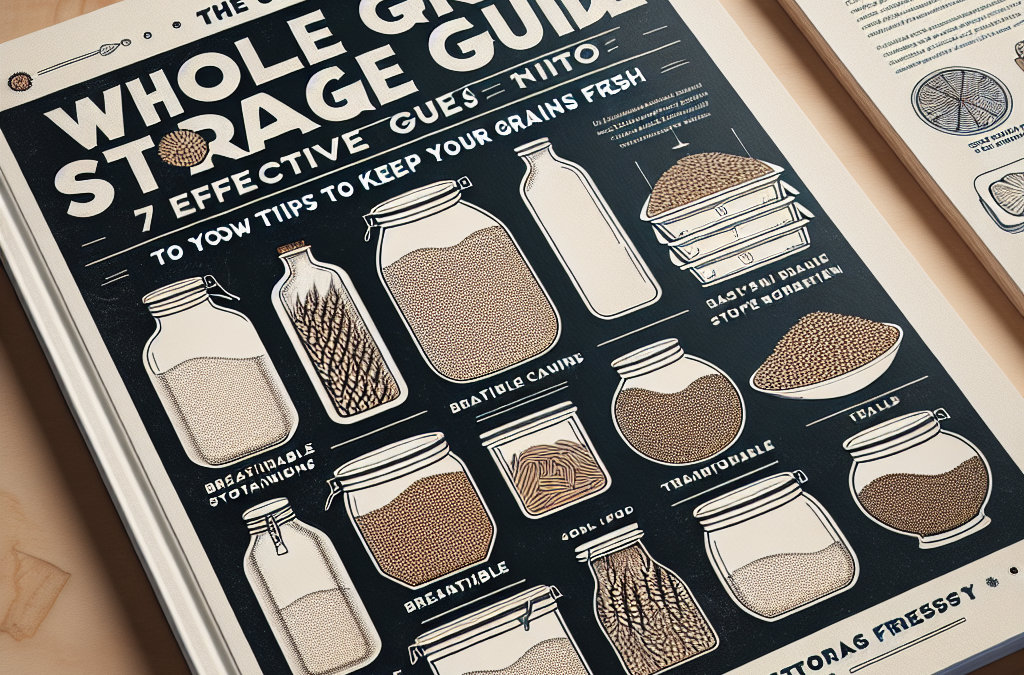
Effective storage techniques are vital for maximizing the shelf life of food storage grains. Airtight containers are a must, as they prevent moisture and pests from compromising the grains. Mylar bags, vacuum-sealed containers, and food-grade buckets are popular options among preppers and those looking to store grains for the long haul.
Additionally, keeping grains in a cool, dark location is essential. High temperatures can accelerate spoilage, while exposure to light can degrade the quality of the grains over time. A temperature range of 50°F to 70°F is ideal for grain storage, allowing for prolonged freshness and quality. Implementing these practices will significantly extend the viability of your food supply.
Regularly checking on your stored grains is also crucial. Rotating your stock and consuming older grains first can help prevent waste and ensure that you always have fresh supplies on hand. Consider labeling containers with purchase dates to facilitate easy tracking of their shelf life. This proactive approach will help maintain the quality of your food storage grains and allow you to make the most of your investments.
Common Mistakes in Grain Storage
One of the most common mistakes in grain storage is neglecting to use airtight containers. Many individuals mistakenly believe that simply placing grains in a pantry is sufficient; however, exposure to air can lead to spoilage and pest infestations. It’s vital to ensure that all grains are sealed properly to maintain their quality and prevent contamination.
Another prevalent error is failing to store grains in appropriate conditions. Excessive heat or humidity can drastically reduce the shelf life of grains, leading to rancidity and loss of nutrients. Understanding the specific requirements for each type of grain will help avoid these pitfalls. For example, while white rice can tolerate some heat, grains like oats are more sensitive and require cooler temperatures for optimal storage.
Additionally, many people overlook the importance of keeping grains away from strong odors. Grains can absorb smells from their environment, affecting their taste and quality. Storing them in a separate area from strong spices or cleaning supplies will help maintain their original flavor and integrity. Being aware of these common mistakes will empower you to create a more effective and sustainable food storage system.
Get Whole Wheat Flour, Grains and Milling Supplies – CLICK HERE

Nutritional Benefits of Storable Grains
Storable grains not only serve as a practical solution for long-term food supply but also offer significant nutritional benefits. For instance, quinoa is a complete protein, providing all nine essential amino acids, making it an excellent choice for vegetarians and vegans. Similarly, barley is rich in fiber, which can aid in digestion and promote heart health.
Incorporating a variety of grains into your diet can enhance overall nutritional intake. While some grains are higher in carbohydrates, others provide essential vitamins and minerals that contribute to a balanced diet. Understanding the nutritional profiles of each grain will help you make informed choices about your food supply and meal planning.
Moreover, diversifying your grain selection can help mitigate the risk of nutrient deficiencies in your diet. By rotating different grains, you can ensure a broad spectrum of nutrients, which is particularly important during times when fresh food may be scarce. This strategy will not only support your health but also enhance the overall resilience of your food storage plan.
Further Reading
Authoritative Sources
- Grain Storage: A Guide for Farmers
extension.purdue.edupurdue.eduThis comprehensive guide from Purdue University offers insights into effective grain storage practices and techniques
- USDA Food Safety Fact Sheets
fsis.usda.govProvides a wealth of information on food safety, including storage guidelines for grains
- How to Store Grains
thekitchn.comThis article outlines various methods for storing grains to maximize their shelf life
Frequently Asked Questions
How long can I store grains for?
Storage duration varies by grain type; for instance, white rice can last up to 30 years, while brown rice typically lasts 6 months to 1 year.
What is the best way to store grains?
Airtight containers in a cool, dark place are ideal for storing grains to prevent moisture and pest contamination.
Can I freeze grains for longer storage?
Yes, freezing grains can extend their shelf life, especially for those with higher oil content, like brown rice.
What grains are best for long-term storage?
White rice, quinoa, barley, and oats are among the best grains for long-term storage due to their low moisture content and nutritional profiles.
How can I tell if my stored grains are still good?
Check for off smells, discoloration, or signs of pests. If any of these are present, it’s best to discard the grains.
Conclusion
In summary, understanding the characteristics and best practices for storing long lasting food storage grains is essential for anyone looking to build a robust food supply. By selecting the right grains, employing effective storage techniques, and avoiding common mistakes, you can ensure that your food remains safe and nutritious for years to come. Prioritize variety to meet your dietary needs and keep meals enjoyable. As you implement these strategies, you’ll be better equipped to manage your food resources effectively, ensuring resilience during uncertain times.
Get Whole Wheat Flour, Grains and Milling Supplies – CLICK HERE
Related Content
Auto Amazon Links: No products found.