Understanding the importance of each storage condition is vital for successful preservation. High moisture levels can lead to mold growth and spoilage, while improper temperatures can accelerate deterioration. Pests, such as weevils or rodents, can compromise the integrity of stored wheat, making regular monitoring and proactive measures essential. Failing to address these factors can result in significant losses, both in terms of quality and quantity.
Common mistakes include overlooking the moisture content during storage or using inadequate containers that do not provide a proper seal. It is also vital to periodically check the storage conditions and take corrective actions if necessary. By prioritizing these practices, you can ensure the long-term viability of your wheat supply.
Optimal Conditions for Wheat Storage
For long term storage for wheat, maintaining optimal conditions is crucial. Wheat should be stored at a moisture content of 12% or lower to prevent spoilage. The ideal temperature for storage is between 32°F and 50°F (0°C to 10°C), as cooler temperatures slow down the metabolic processes that can lead to deterioration.
Implementing these conditions not only preserves the wheat but also enhances its nutritional value. Regularly checking the moisture levels using a moisture meter can help ensure that the wheat remains within the safe range. Additionally, consider the location of storage; areas with fluctuating temperatures or high humidity should be avoided.
Prioritizing stable environmental conditions is a key factor in maintaining wheat quality. Investing in a dehumidifier or temperature control system can significantly improve storage conditions, leading to longer shelf life and better quality wheat.
Choosing the Right Storage Container
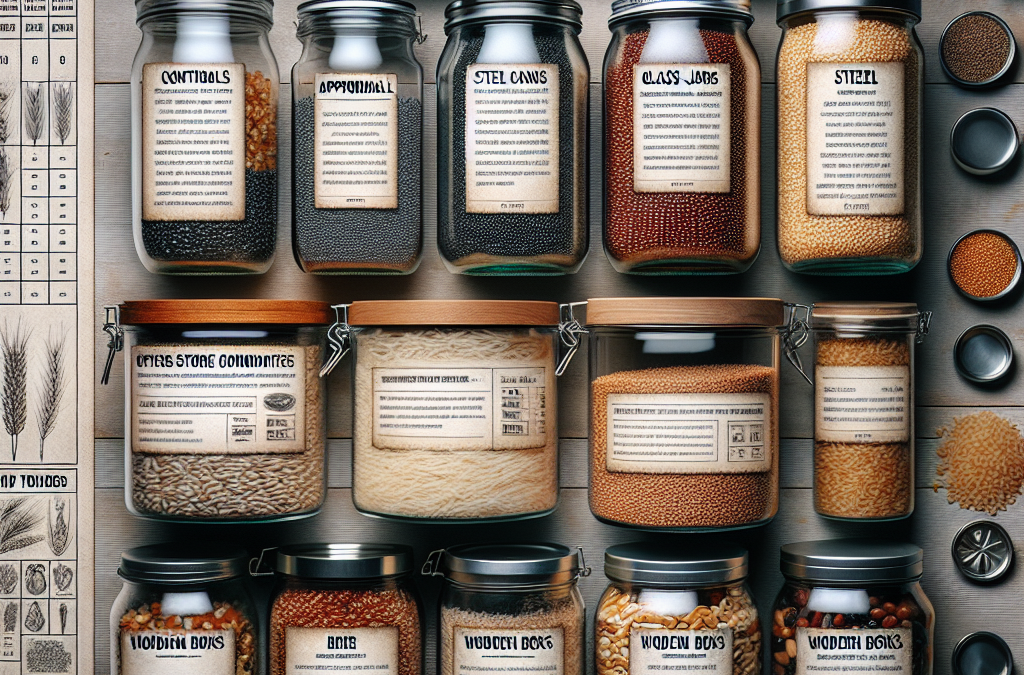
Selecting appropriate storage containers is fundamental to successful long term storage for wheat. Airtight containers, such as sealed bins or vacuum-sealed bags, are ideal as they prevent moisture and pests from entering. Metal or food-grade plastic containers are recommended, as they are durable and resistant to environmental factors.
Using the right container not only protects against pests but also minimizes the risk of oxidation and nutrient loss. Ensure that containers are clean and dry before filling them with wheat. This preparation is critical to avoid introducing contaminants that could compromise the stored wheat.
Moreover, consider labeling containers with the storage date and moisture content to facilitate monitoring. This practice helps track the condition of your wheat over time, allowing for timely intervention if storage conditions change.
Monitoring and Maintaining Storage Conditions
Regular monitoring of storage conditions is essential for the longevity of stored wheat. Implementing a systematic approach to check temperature and humidity levels can help identify any fluctuations that may affect wheat quality. Use hygrometers and thermometers to keep track of these parameters.
It is also advisable to periodically rotate the wheat stock, using the older supply first to prevent spoilage. This practice not only maintains quality but also ensures that wheat is consumed within its optimal time frame. Additionally, inspect containers for any signs of pest activity or moisture accumulation.
Get Whole Wheat Flour, Grains and Milling Supplies – CLICK HERE

Active maintenance of storage conditions is a proactive strategy that can prevent potential losses. Setting reminders for regular checks and implementing a logbook for recording conditions can enhance your storage management practices.
Common Mistakes to Avoid
When it comes to long term storage for wheat, several common mistakes can jeopardize the quality of the stored product. One major error is failing to adequately seal containers, allowing air and moisture to compromise the wheat. Another frequent oversight is neglecting to monitor storage conditions regularly, which can lead to undetected spoilage.
It’s also important to avoid mixing old and new wheat, as older supplies may harbor pests or have different moisture levels, which could affect the entire batch. Additionally, storing wheat in unsuitable locations, such as basements prone to flooding or areas exposed to direct sunlight, can lead to significant losses.
By being aware of these pitfalls, you can implement better storage practices. Regular training or updates on best practices for wheat storage can also improve overall management and reduce mistakes.
Further Reading
For those interested in exploring more about long term storage for wheat, consider checking reputable agricultural extension services or industry publications. These resources often provide detailed insights and guidelines on best practices and innovations in grain storage.
Further Reading
Authoritative Sources
- MedlinePlus
medlineplus.govConsumer-friendly medical and health information from the U.S. National Library of Medicine.
- National Institutes of Health
nih.govResearch-based health information and links to authoritative medical resources.
- Centers for Disease Control and Prevention
cdc.govOfficial public health guidance, prevention resources, and topic-specific recommendations.
- Mayo Clinic
mayoclinic.orgTrusted clinical guidance, symptom explainers, and treatment overviews.
- World Health Organization
who.intGlobal health guidance, fact sheets, and evidence-based public health information.
Frequently Asked Questions
What is the ideal moisture content for storing wheat?
The ideal moisture content for storing wheat is 12% or lower to prevent spoilage and mold growth.
How often should I check the storage conditions?
It is advisable to check the storage conditions at least once a month to ensure optimal moisture and temperature levels are maintained.
Can I store wheat in plastic containers?
Yes, food-grade plastic containers are suitable for storing wheat as long as they are airtight and durable.
What pests should I be concerned about when storing wheat?
Common pests include weevils, grain moths, and rodents, all of which can compromise the quality of stored wheat.
How can I tell if my stored wheat has gone bad?
Signs of spoilage include unusual odors, visible mold, or the presence of pests. If any of these are detected, it is advisable to discard the affected wheat.
Conclusion
Long term storage for wheat requires careful attention to moisture, temperature, and pest management. By using airtight containers, maintaining optimal environmental conditions, and avoiding common mistakes, you can significantly extend the shelf life of your wheat supply. Regular monitoring and proactive maintenance are essential to ensure that your wheat remains safe and of high quality. Prioritize these practices, and you will safeguard your stored wheat against spoilage and waste.
Get Whole Wheat Flour, Grains and Milling Supplies – CLICK HERE
Auto Amazon Links: No products found.