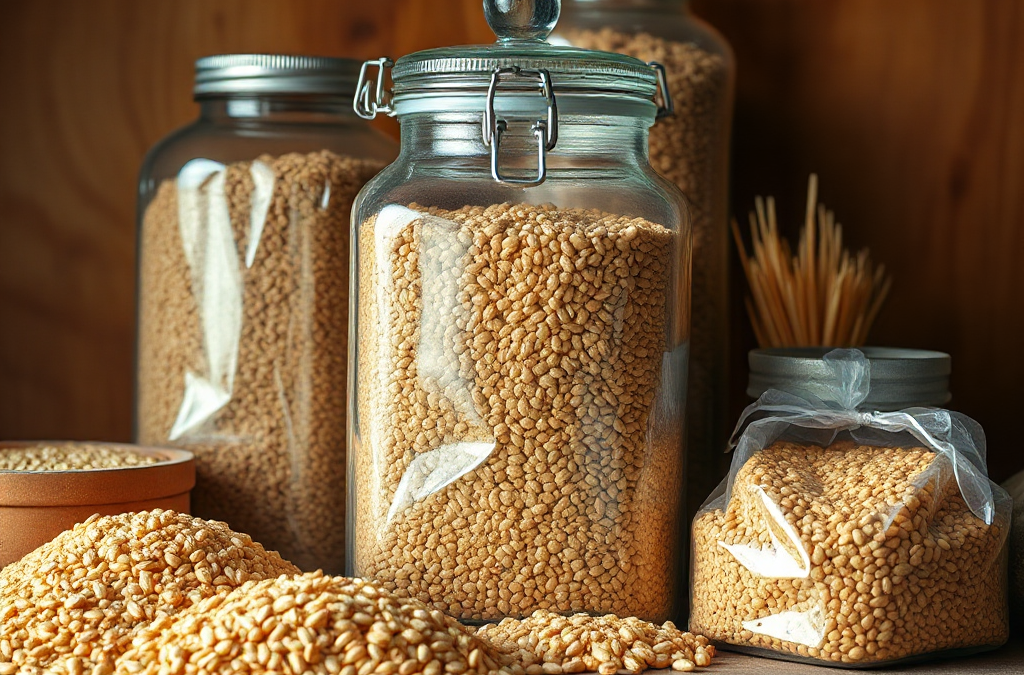
Household grain stockpiling is the practice of accumulating grains like rice, wheat, and oats to secure a reliable food source during emergencies. These grains are not only nutritious but also have long shelf lives, making them ideal for storage. To effectively stockpile, use airtight containers and store them in a cool, dark place to prevent spoilage and pest issues. A common mistake is failing to rotate stock, which can lead to older grains being overlooked and potentially going bad. Regularly checking your supplies and replenishing them will ensure your stock remains fresh and ready for use.
Understanding the Importance of Household Grain Stockpiling
Household grain stockpiling is crucial for ensuring food security in times of crisis. By accumulating grains, families can prepare for unexpected events such as natural disasters, economic downturns, or supply chain disruptions. Grains like rice, wheat, and corn serve as staple foods that provide essential calories and nutrients. Understanding the importance of stockpiling grains helps households maintain a reliable food source and reduce vulnerability during emergencies.
Moreover, stockpiling can also lead to cost savings. Purchasing grains in bulk often comes with discounts, allowing families to save money compared to buying smaller quantities. In addition, having a well-stocked pantry can alleviate stress during uncertain times, providing peace of mind that basic nutritional needs are met.
Choosing the Right Grains for Stockpiling
Household grain stockpiling, selecting the right grains is essential. Popular choices include rice, wheat, oats, and corn, each offering unique benefits. Rice is a versatile food with a long shelf life, making it a staple in many households. Wheat can be used for various products, including bread and pasta, while oats provide a nutritious breakfast option. Corn is also valuable, offering both culinary uses and the potential for animal feed.
It’s important to consider the nutritional value of the grains chosen for stockpiling. Whole grains, such as brown rice and whole wheat, contain more nutrients and fiber compared to their refined counterparts. Additionally, families should assess their dietary preferences and needs, ensuring that the grains selected align with their consumption habits.
Storage Techniques for Optimal Preservation
Proper storage techniques play a vital role in the longevity and quality of stockpiled grains. Grains should be kept in airtight containers to prevent exposure to moisture and pests. Food-grade buckets or Mylar bags with oxygen absorbers are excellent options for long-term storage. Maintaining a cool, dark environment is crucial, as light and heat can degrade grain quality over time.
Another important consideration is the rotation of stockpiled grains. Implementing a first-in, first-out (FIFO) system ensures that older grains are used before newer ones, minimizing waste. Regularly checking the condition of stored grains can help identify potential issues, such as pest infestations or moisture damage, allowing for timely intervention.
Common Mistakes in Grain Stockpiling
One common mistake in household grain stockpiling is underestimating the importance of proper storage. Many individuals may store grains in unsuitable containers or fail to protect against moisture and pests, leading to spoilage. Another mistake is not considering the family’s consumption patterns. Stockpiling grains that are not regularly eaten can result in waste and financial loss.
Additionally, neglecting to rotate stock can lead to older grains becoming stale or spoiled. Families should also be cautious about overstocking, which can create storage challenges and increase the risk of waste. By recognizing these pitfalls, households can better prepare for effective grain stockpiling.
Frequently Asked Questions
What types of grains are best for stockpiling?
Rice, wheat, oats, and corn are among the best grains for stockpiling due to their long shelf lives and versatility.
How should I store grains for long-term preservation?
Grains should be stored in airtight containers in a cool, dark place to prevent spoilage and pest infestations.
How long do stockpiled grains last?
Depending on the type and storage conditions, stockpiled grains can last anywhere from several months to over 30 years.
What are common mistakes in grain stockpiling?
Common mistakes include improper storage, not rotating stock, and choosing grains that are not regularly consumed.
Why is grain rotation important?
Grain rotation is important to ensure older grains are used first, preventing spoilage and waste.
Conclusion
Household grain stockpiling is a practical strategy for ensuring food security and long-term preparedness. By carefully selecting the right grains, employing effective storage techniques, and avoiding common mistakes, families can build a reliable food supply that meets their nutritional needs. Prioritizing proper storage and regular rotation of grains will maximize shelf life and minimize waste. Start your grain stockpiling journey today to safeguard your household against future uncertainties.
Get Whole Wheat Flour, Grains and Milling Supplies – CLICK HERE

Auto Amazon Links: No products found.