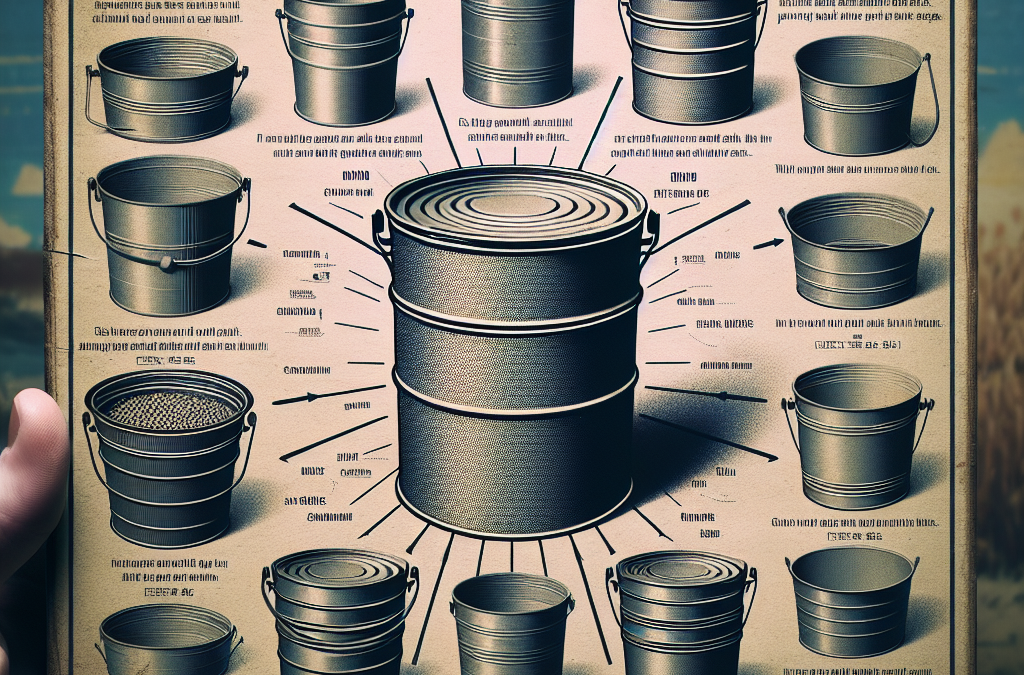
Long term wheat preservation involves techniques that ensure the grain remains safe and usable for extended periods. Proper storage conditions, pest control, moisture management, and regular inspections collectively safeguard the quality and longevity of wheat.
When preserving wheat, the primary concern is preventing spoilage caused by pests, moisture, and temperature fluctuations. Effective storage requires maintaining a dry environment, as moisture promotes mold and attracts pests. Additionally, temperature control is vital; ideal storage conditions should be cool and consistent. Recognizing these priorities can help avoid common pitfalls, such as using inadequate containers or overlooking environmental factors.
A frequent mistake in wheat preservation is neglecting regular inspections. Even in seemingly perfect conditions, grain can be compromised by unseen pests or moisture. Therefore, establishing a routine for checking stored wheat can prevent significant losses. Prioritizing these inspections ensures that any issues are addressed promptly, maintaining the grain’s integrity.

Understanding Wheat Storage Conditions
Effective wheat preservation starts with understanding the ideal storage conditions. Wheat should be stored in a cool, dry place, ideally at temperatures below 70°F and with humidity levels below 13%. Using airtight containers can help maintain these conditions by preventing moisture ingress and pest entry. It’s essential to choose the right storage materials, such as food-grade buckets or silos, which can protect the wheat from environmental factors.
Many people overlook the importance of air circulation when storing wheat. Proper airflow reduces moisture build-up and helps maintain a stable temperature. Without adequate ventilation, stored wheat can become a breeding ground for mold and pests. Therefore, ensuring that storage areas are well-ventilated is critical for long-term preservation.
Additionally, understanding the different types of wheat and their specific storage requirements can enhance preservation efforts. For instance, hard red wheat may have different moisture tolerance compared to soft white wheat. Tailoring storage methods to the specific variety can lead to better outcomes.
Pest Control Strategies for Long Term Storage
Pest control is a crucial aspect of long term wheat preservation. Common pests include weevils, moths, and beetles, which can significantly damage stored wheat. Effective pest management starts with thorough cleaning of storage areas before introducing new grain. This step helps eliminate any existing infestations and prevents future ones.
Using natural deterrents such as diatomaceous earth can also be effective. This substance disrupts the exoskeletons of pests, leading to dehydration and death. Additionally, incorporating traps can help monitor pest activity and assess the effectiveness of control measures. Regularly checking for signs of infestation is vital to prevent a small problem from becoming a larger issue.
Another common mistake is relying solely on chemical pesticides without considering non-chemical alternatives. While pesticides can be effective, they may lead to resistance in pest populations over time. Therefore, integrating multiple pest control strategies, including biological methods, can create a more robust approach to pest management.
Moisture Management Techniques
Moisture control is one of the most critical factors in long term wheat preservation. Excess moisture can lead to mold growth and spoilage, rendering the wheat unusable. To manage moisture effectively, it is essential to monitor humidity levels regularly using hygrometers. Keeping humidity below 13% is crucial for maintaining the grain’s quality.
Using desiccants in storage containers can help absorb any excess moisture. These materials can effectively reduce humidity levels, providing an additional layer of protection against spoilage. Furthermore, ensuring that wheat is adequately dried before storage is essential; freshly harvested wheat should ideally be dried to a safe moisture content.
Get Whole Wheat Flour, Grains and Milling Supplies – CLICK HERE

Many people underestimate the impact of external conditions on moisture levels. For instance, fluctuations in temperature and humidity outside can affect the stored grain. Therefore, choosing storage locations that remain stable throughout the seasons is vital for long-term preservation.
Regular Inspection and Maintenance of Stored Wheat
Regular inspection of stored wheat is essential for maintaining its quality over time. Inspections should be conducted every few months to check for signs of spoilage, pest activity, or moisture issues. By addressing problems early, you can prevent significant losses and maintain the integrity of your stored grain.
During inspections, it’s essential to look for any signs of pest infestation, such as holes in the grain or the presence of frass (insect excrement). Additionally, checking for any moisture accumulation or unusual odors can indicate potential spoilage. Keeping a log of inspection results can help track changes over time and identify patterns that may require adjustments in storage practices.
Another common oversight is failing to rotate stored wheat. Using older stock first ensures that the grain remains fresh and reduces the risk of spoilage. Implementing a first-in, first-out (FIFO) system can help manage this effectively.
Further Reading
Authoritative Sources
- USDA Wheat Grades and Standards
ams.usda.govThis resource provides detailed information on wheat quality and grading standards, essential for understanding storage requirements
Frequently Asked Questions
What is the best temperature for storing wheat?
The ideal temperature for storing wheat is below 70°F to prevent spoilage and pest infestations.
How can I tell if stored wheat is spoiled?
Signs of spoilage include a sour smell, discoloration, or the presence of mold. Inspecting for these indicators is crucial.
What pests commonly affect stored wheat?
Common pests include weevils, moths, and beetles, which can damage stored wheat if not managed properly.
How often should I inspect my stored wheat?
It is recommended to inspect stored wheat every few months to catch any issues early and prevent significant losses.
Can I use chemical pesticides for pest control in stored wheat?
Yes, but it’s advisable to combine them with non-chemical methods to avoid pest resistance and ensure safety.
Conclusion
In summary, effective long term wheat preservation hinges on understanding storage conditions, pest control, moisture management, and regular inspections. By prioritizing these elements, you can significantly enhance the quality and longevity of your stored wheat. Implementing a systematic approach to these practices will not only safeguard your grain but also ensure it remains a reliable food source for the future. Start by assessing your current storage methods and make necessary adjustments to optimize your wheat preservation strategy.
Related Content
Auto Amazon Links: No products found.