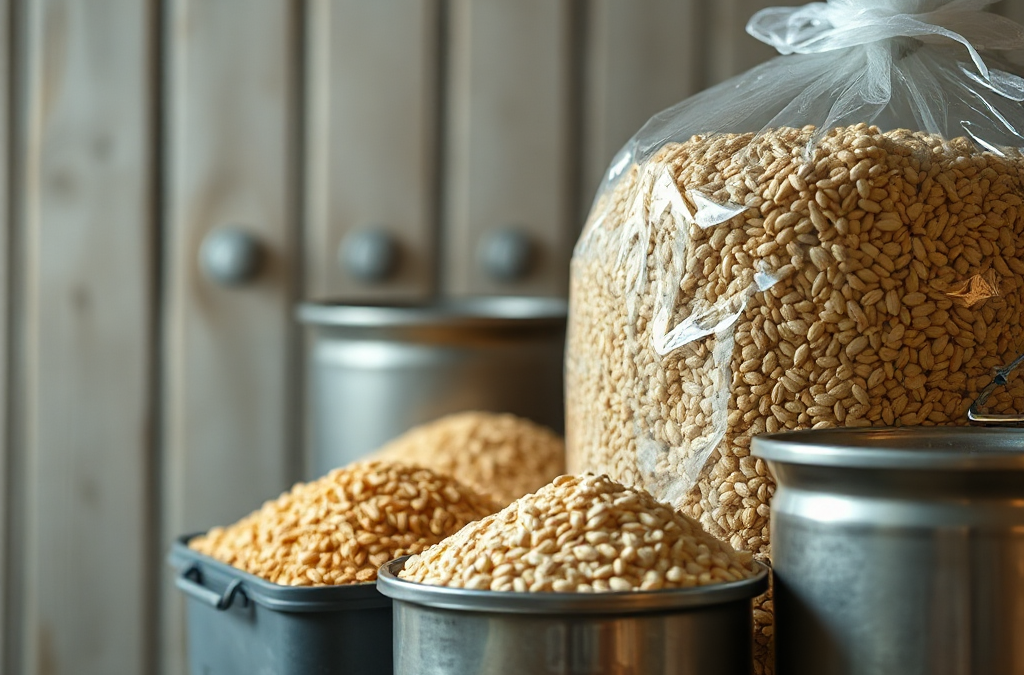
Understanding the risks of improper grain storage is essential for maintaining grain quality and preventing losses. Improper storage can lead to issues such as mold growth, pest infestations, and nutrient degradation. These problems arise from factors like inadequate ventilation, high moisture levels, and poor temperature control. By recognizing these risks, grain handlers can implement better storage practices to protect their investments and ensure food safety.
The Importance of Proper Grain Storage
Proper grain storage is crucial for preserving the quality and safety of stored grains. When grains are stored correctly, they maintain their nutritional value, prevent spoilage, and minimize losses due to pests and environmental factors. Poor storage practices can lead to significant economic losses, affecting farmers, distributors, and consumers alike. It is vital to understand the specific requirements for different types of grains to ensure optimal storage conditions.
Inadequate storage can result in moisture accumulation, which is a primary cause of mold growth and pest attraction. For instance, wheat and corn require specific moisture levels for safe storage; exceeding these levels can lead to spoilage. The economic impact of grain loss due to improper storage is substantial, making it essential for stakeholders in the agricultural sector to prioritize effective storage solutions.
Common Risks Associated with Improper Storage
Improper grain storage poses several risks that can compromise grain quality and safety. One of the most significant risks is mold growth, which occurs when grains are stored in high moisture environments. Mold not only damages the grain but can also produce mycotoxins, harmful substances that can affect human and animal health.
Another risk is pest infestations, which can lead to substantial losses. Insects such as weevils and beetles thrive in improperly stored grains. Their presence can indicate poor storage conditions and may require immediate intervention to prevent further damage. Furthermore, inadequate temperature control can lead to condensation, exacerbating moisture issues and promoting mold growth.
Understanding these risks allows grain handlers to implement preventive measures. Regular monitoring of storage conditions, including moisture levels and temperature, can help mitigate these hazards.
Recognizing Signs of Poor Storage Conditions
Identifying signs of poor storage conditions is essential for maintaining grain quality. Common indicators include unusual odors, visible mold, and the presence of pests. A musty smell often indicates mold growth, while visible spores or patches on the grain signify contamination.
Additionally, the presence of insects or their larvae can be a clear sign of infestation. Regular inspections can help detect these issues early, allowing for timely corrective actions. Grain handlers should also monitor moisture levels using hygrometers, ensuring they remain within the recommended range for the specific type of grain stored.
Proper ventilation is another critical factor; lack of airflow can lead to heat buildup and condensation, creating an ideal environment for mold and pests. Maintaining optimal storage conditions requires diligence and regular maintenance.
Best Practices for Safe Grain Storage
Implementing best practices for grain storage can significantly reduce the risks associated with improper storage. First, it is vital to ensure that the storage facility is clean and free from debris, as this can attract pests. Regular cleaning schedules should be established to maintain a hygienic environment.
Monitoring moisture levels is crucial; grains should be stored at moisture levels recommended by agricultural experts. For instance, corn should ideally be stored at 15% moisture or less to prevent spoilage. Using fans and dehumidifiers can help maintain appropriate humidity levels within the storage facility.
Get Whole Wheat Flour, Grains and Milling Supplies – CLICK HERE

Temperature control is equally important. Grains should be stored in a cool, dry place to prevent heat buildup. Installing temperature monitoring systems can provide real-time data, enabling proactive management of storage conditions.
In closing, periodic inspections and assessments of stored grains can help identify potential issues before they escalate. By implementing these best practices, grain handlers can protect their investments and ensure the safety of stored grains.
Frequently Asked Questions
What are the main risks of improper grain storage?
The main risks include mold growth, pest infestations, and nutrient degradation, leading to economic losses and health hazards.
How can I tell if my grain is improperly stored?
Signs include unusual odors, visible mold, and insect presence. Regular inspections can help detect these issues early.
What moisture level is safe for storing grains?
Moisture levels vary by grain type; for example, corn should be stored at 15% moisture or less to prevent spoilage.
Why is ventilation important in grain storage?
Proper ventilation prevents heat buildup and condensation, reducing the risk of mold growth and pest infestations.
What are some best practices for grain storage?
Best practices include regular cleaning, monitoring moisture and temperature, and conducting periodic inspections to identify potential issues.
Further Reading
Authoritative Sources
- Grain in Storage Needs Proper Care - College News
news.mgcafe.uky.eduProtecting stored grains from insects, rodents, molds and toxins are necessary to maintain a quality product for sale. Aeration and temperature ...
- Grain storage practices-challenges during ...
researchgate.netThis study was designed to assess major insects and occurrence of rodent infestation in stored grain in two districts of south western Ethiopia. Omo Neda and ...
- Stay Safe This Harvest: Grain Bin Hazards and How to ...
jeftsinsuranceagency.comEvery year, lives are lost to grain bin entrapments, falls, toxic gases, and mechanical accidents. Understanding the dangers of grain storage ...
- Identifying Common Trouble Spots in Grain Management ...
valleyviewagri.comStructural Damage: Over time, bins and silos can develop cracks or corrosion, jeopardizing the structural integrity of the storage system. Pest Infestations: ...