 In our preparedness planning, it is important that we go beyond food storage and consider other preparedness essentials. While food and water storage is critical, we should also look at preparing for potential short-term and long term disaster or emergency situations. Our preparation efforts may very well determine our ability to survive.
Emergencies (or disaster situations) can typically be classified as either short or long term. You may deal with short-term emergencies – such as losing power for a day or having a health emergency. These short-term situations usually pass fairly quickly.
Even though these tense situations may pass quickly they can still be life-threatening. When something causes a short term emergency, unless you’re prepared, you could find yourself in a bind, putting yourself and your loved ones at risk.
Weather emergencies such as floods, hurricanes, tornadoes and blizzards are the top four causes of short term disasters that people are forced to deal with. These disasters create situations where you can end up without any lights, heat or air conditioners. Depending on your location and situation, losing electricity for a short period of time could be a potential life-threatening situation if you are not properly prepared.
GREAT RESOURCES FOR PREPAREDNESS
Without electricity, you will not have a way to keep your food supply from spoiling. If the disaster causes a rush on grocery store supplies, there will be empty shelves, leaving you without a way to get food. Without electricity, you can lose the ability to call out for help for health reasons or if there’s looting and the battery on your cell phone dies. The time to plan for a disaster is right now – while you have electricity – while you have the food you need and the means to get ready for what might come your way.
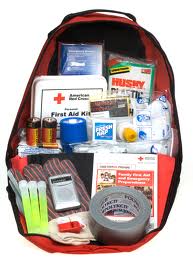
One of our suggestions is: Prepare yourself now, and make sure you have an emergency preparedness kit.
In that kit, you need water for every member of your family and enough food to last everyone for at least a week. You’ll need a way to keep warm – especially if the disaster is during the colder months.
- Use thermal blankets and waterproof sleeping bags.
- Have battery powered or solar powered gadgets that can charge cell phones.
- Have flashlights and radios on hand that run on batteries and keep extra batteries ready – or, invest in the hand crank variety.
- Make sure you have a first aid kit that includes bandages, face masks, antibiotics and all other prescription medications you may be taking.
- Prepare your kit with infant and pet needs, too.
- Keep antibacterial wipes with the kit and have your personal ID copies in with the kit. In case your originals are destroyed in the disaster, you’ll have a backup copy that will save you from a future hassle.
- You’ll need matches, a hand held can opener and a multi-tool as well as a whistle. A whistle can be heard over long distances and can make it easier to locate you if you are injured or become lost during an emergency.
PREPARE MAGAZINE FREE SUBSCRIPTION
Keep all of your supplies together in an air-tight waterproof container and store the container somewhere that the temperature doesn’t vary. There are places that offer ready-made disaster kits – and some people choose to buy those. If you pick that option, don’t forget to add copies of your important paperwork and personal medications since a ready-made kit won’t come with those.
Popular Questions
What should go into an emergency preparedness kit for short-term disasters?
Pack enough drinking water and ready-to-eat food for each person for at least three days. Include a flashlight, extra batteries, a battery-powered or hand-crank radio, a first-aid kit, and necessary medications. Add a manual can opener, phone chargers, basic tools, sanitation supplies, and copies of important documents.
How much food and water go into a short-term emergency preparedness kit?
Store at least one gallon of water per person per day, including extra water for pets when applicable. Choose shelf-stable foods that require little or no cooking, such as canned meals, protein bars, dried fruit, and peanut butter. Keep a manual can opener with canned goods and replace items before they expire.
What personal supplies go into an emergency kit for a short-term disaster?
Include prescription medicines, common over-the-counter medicines, glasses or contact-lens supplies, and a small first-aid kit. Pack hygiene items such as soap, toothbrushes, toothpaste, toilet paper, moist wipes, hand sanitizer, and menstrual products. Customize the kit with infant supplies, pet food, mobility aids, or other needs specific to your household.
What tools and safety items go into a short-term disaster preparedness kit?
Include a flashlight with spare batteries, a battery-powered or hand-crank radio, a whistle, work gloves, and a multipurpose tool. Pack blankets, sturdy shoes, dust masks, matches in a waterproof container, and a fire extinguisher if appropriate for your home. Keep a backup phone battery, local maps, emergency contact information, and copies of identification in a waterproof bag.
Auto Amazon Links: No products found.