Proper grain storage is crucial for extending shelf life and maintaining the quality of grains. Grains are staples in many diets worldwide, and ensuring they remain fresh and safe to consume is essential for food security. By implementing effective storage techniques, you can minimize spoilage, retain nutritional value, and prevent infestations that could compromise your food supply.
Many individuals underestimate the importance of grain storage, often making assumptions that can lead to costly mistakes. One common pitfall is neglecting moisture control; grains stored in humid environments are susceptible to mold and pests. Additionally, using inappropriate containers can expose grains to air and light, further diminishing their quality. Understanding these factors allows you to make informed decisions about grain storage that will safeguard your food supply.

Understanding Grain Shelf Life
The shelf life of grains varies significantly depending on the type and storage conditions. For instance, white rice can last up to 30 years when stored properly, while whole grains like brown rice typically have a shorter shelf life due to their higher oil content. Understanding these differences is vital for effective planning, especially for long-term storage.
Many people assume that all grains have similar shelf lives, leading to improper storage practices. It’s essential to recognize that oils in whole grains can rancidify, compromising flavor and safety. Thus, prioritizing the type of grain and its specific storage needs can make a substantial difference in how long it remains fresh and usable.
Optimal Storage Conditions
To maximize the shelf life of grains, maintaining optimal storage conditions is key. This involves controlling temperature, humidity, and exposure to light. Ideally, grains should be stored in a cool, dry, and dark environment to prevent spoilage and insect infestation.
Ignoring these conditions can lead to serious consequences. For example, high humidity can promote mold growth, while excessive heat can accelerate the degradation of nutrients. Implementing a temperature and humidity monitoring system in your storage area can help you manage these factors effectively, ensuring your grains remain in peak condition.
Choosing the Right Storage Containers
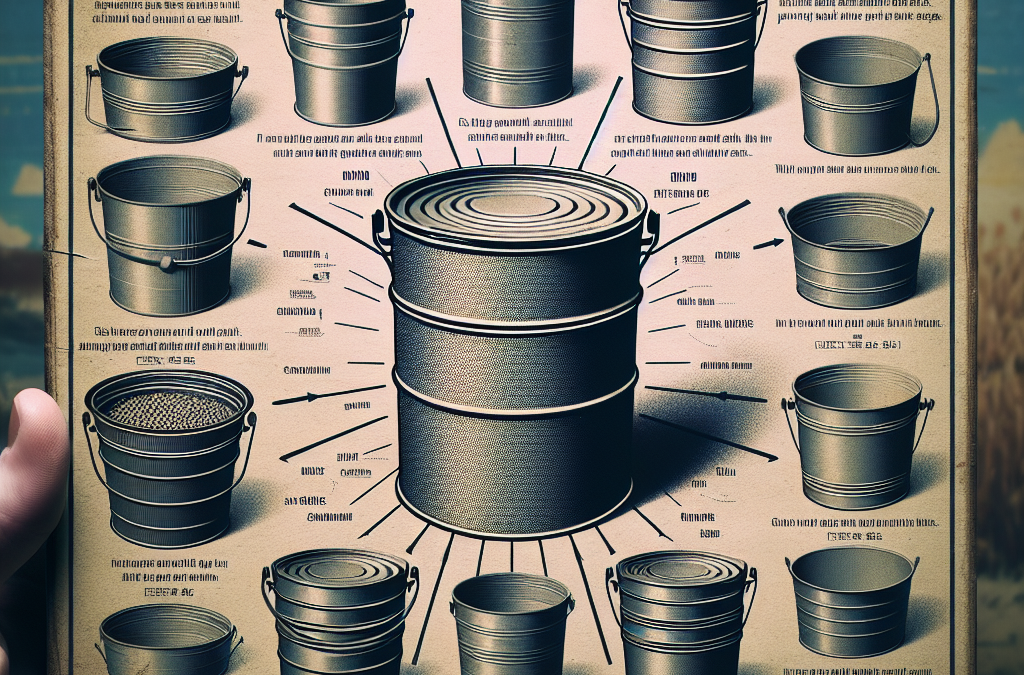
The choice of storage containers significantly impacts the longevity of grains. Airtight containers made from food-grade materials are ideal as they prevent moisture and pests from entering. Glass, metal, and heavy-duty plastic containers are excellent options.
Many individuals mistakenly use cardboard or thin plastic bags, which do not provide adequate protection. Such containers can allow air and moisture to seep in, leading to spoilage. Investing in high-quality storage solutions is crucial for preserving grain quality and extending shelf life.
Get Whole Wheat Flour, Grains and Milling Supplies – CLICK HERE

Common Mistakes in Grain Storage
Several common mistakes can undermine grain storage efforts. One significant error is overfilling containers, which can trap moisture and lead to spoilage. Additionally, failing to label containers can create confusion, resulting in the use of older grains first, which should be avoided.
Another frequent oversight is neglecting to check stored grains regularly for signs of spoilage or pest activity. Regular inspection allows you to catch problems early, ensuring your grain supply remains safe and usable. By being aware of these pitfalls and actively managing your storage practices, you can significantly improve your grain preservation efforts.
Further Reading
Authoritative Sources
- Food Safety Modernization Act
fda.govThis resource offers insights into food safety practices, including proper grain storage techniques
- Managing Grain Quality
extension.iastate.eduA comprehensive guide on maintaining the quality of stored grains, including shelf life considerations
Frequently Asked Questions
What is the ideal temperature for grain storage?
The ideal temperature for grain storage is between 32°F and 70°F (0°C to 21°C), with lower temperatures extending shelf life.
How can I prevent pests in stored grains?
Using airtight containers and regularly inspecting grains can help prevent pest infestations.
What types of grains have the longest shelf life?
White rice, hard red wheat, and dry beans tend to have the longest shelf life when stored correctly.
Is vacuum sealing effective for grain storage?
Yes, vacuum sealing can significantly extend the shelf life of grains by removing air and reducing oxidation.
How often should I check my stored grains?
It’s advisable to check stored grains every few months for signs of spoilage or pest activity.
Related Content
Auto Amazon Links: No products found.