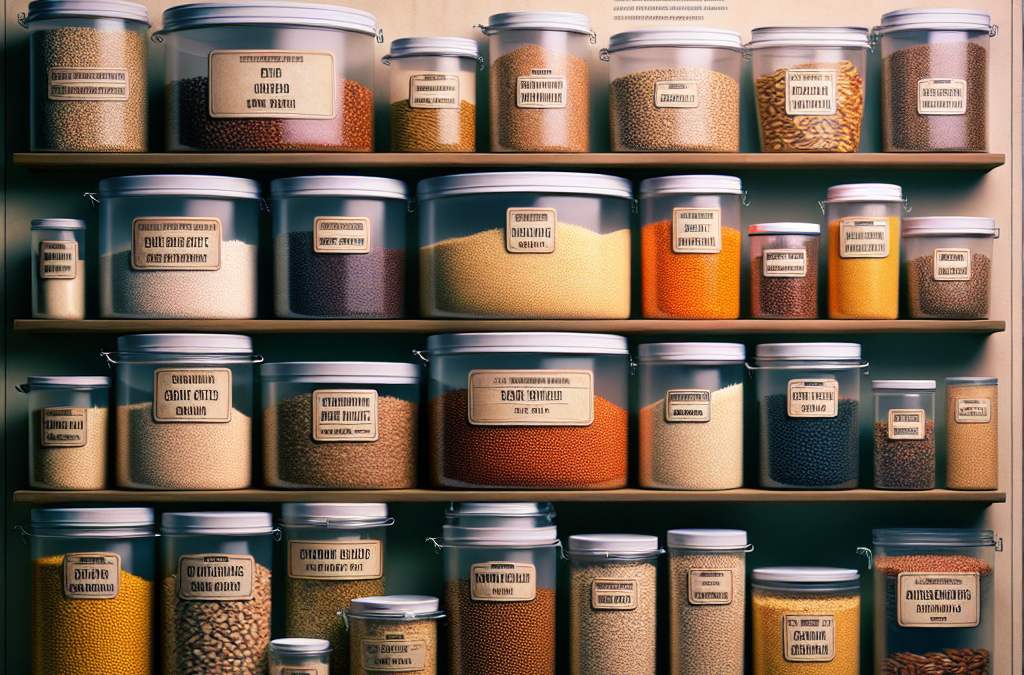
Practical interpretation of grain storage involves understanding the specific needs of the grain type being stored. For example, different grains have varying moisture content requirements for optimal storage. Wheat, for instance, should ideally be stored at less than 13% moisture content to prevent mold growth. Moreover, factors such as temperature fluctuations can affect grain quality, so aim to keep storage temperatures low and consistent. It’s vital to prioritize cleanliness and organization in your storage area to minimize risks.
A common mistake in bulk grain storage is neglecting to monitor the stored grain regularly. Many assume that once grain is stored, it requires no further attention. However, checking for pests and moisture should be a routine practice. Additionally, consider the layout of your storage area; ensure that older grain is used first to prevent spoilage of older stock. Prioritize using effective pest management strategies, such as the use of natural repellents or traps, to safeguard your grain.
Choosing the Right Storage Method
Choosing the appropriate storage method is vital for maintaining the quality of bulk grain. Options include using silos, grain bins, or airtight containers, each with its own advantages and limitations. Silos are ideal for large-scale storage, while smaller containers may be more suitable for home use. The choice largely depends on the volume of grain and available space.
Consider the environmental conditions where the grain will be stored. For example, silos should be located in shaded areas to minimize temperature fluctuations caused by direct sunlight. Additionally, ensure that the containers are made from materials that prevent moisture ingress. Understanding the specific requirements of the grain type will guide your choice of storage method.
It’s also important to note the accessibility of your storage method. Ensure that whatever system you choose allows for easy access to the grain, facilitating regular checks and usage. Prioritize methods that allow for ventilation to prevent heat buildup, which can lead to spoilage.
Maintaining Optimal Conditions
Maintaining optimal conditions for grain storage involves controlling temperature and humidity. Ideally, grain should be stored in a cool environment, with temperatures below 60°F (15°C) being preferable. This helps to inhibit the growth of mold and other microorganisms.
Humidity control is equally important; aim for a relative humidity of less than 60%. Using dehumidifiers or silica gel packs in storage areas can help achieve this. Regularly checking the moisture content of the grain using a moisture meter is advisable to prevent spoilage.
Another critical aspect is ventilation. Proper airflow reduces moisture buildup, which is essential for preventing mold growth. If using a silo, ensure it has adequate ventilation systems installed. Regular checks for temperature and humidity can help in early detection of potential issues, allowing for timely intervention.
Preventing Pest Infestation
Pest infestation is a significant threat to stored grain. Common pests include weevils, moths, and rodents, all of which can compromise the quality of your grain. To prevent infestations, implement a combination of good sanitation practices and physical barriers.
Regularly clean the storage area to remove any spilled grain or debris that could attract pests. Using pest-proof containers and ensuring that all entry points are sealed can also deter infestations. Consider using natural pest repellents, such as diatomaceous earth, which can be sprinkled around storage areas without harming the grain.
Monitoring for signs of pest activity is crucial. Inspect your grain regularly for larvae, droppings, or webbing. If an infestation is detected, it’s important to act quickly to minimize damage. Implementing an integrated pest management strategy can help maintain a pest-free environment.
Get Whole Wheat Flour, Grains and Milling Supplies – CLICK HERE

Monitoring and Maintenance
Regular monitoring and maintenance of stored grain are essential for preserving its quality. Schedule routine checks for moisture levels, temperature, and signs of pest activity. Keeping a log of these checks can help identify trends and potential issues early.
During inspections, also look for any signs of spoilage, such as discoloration or off-odors. If spoilage is detected, remove affected grain immediately to prevent it from impacting the rest of the stock. Additionally, rotate your grain stock regularly to ensure that older grain is used first, minimizing waste.
Investing in monitoring technology, such as temperature and humidity sensors, can enhance your ability to maintain optimal storage conditions. These devices can provide real-time data, allowing for proactive management of storage conditions.
Further Reading
Authoritative Sources
- Iowa State University Extension and Outreach
extension.iastate.eduProvides comprehensive resources on grain storage techniques and best practices
- North Dakota State University Agriculture
ag.ndsu.eduOffers detailed guides on maintaining grain quality during storage
- Grainnet
grainnet.comFeatures articles and updates on grain storage technology and industry standards
Frequently Asked Questions
What is the best way to keep grain dry?
The best way to keep grain dry is to store it in airtight containers and maintain a low humidity environment, ideally below 60% relative humidity.
How often should I check my stored grain?
It’s recommended to check stored grain at least once a month for moisture levels, pest activity, and signs of spoilage.
Can I store different types of grain together?
While it’s possible to store different types of grain together, it’s best to keep them separate to prevent cross-contamination and ensure optimal conditions for each type.
What should I do if I find pests in my grain?
If pests are found in your grain, remove the affected grain immediately and consider using traps or natural repellents to manage the infestation.
How long can I store grain?
Grain can be stored for several months to several years, depending on the type and storage conditions. Properly stored grain can last much longer.
Conclusion
To wrap up, storing grain in bulk effectively requires careful consideration of storage methods, optimal conditions, and regular monitoring. By maintaining low moisture levels and preventing pest infestations, you can significantly extend the shelf life of your grain. Remember to conduct regular checks and prioritize good hygiene in your storage area. Implementing these practices will ensure that your grain remains safe and usable for an extended period, providing you with food security and peace of mind.
Get Whole Wheat Flour, Grains and Milling Supplies – CLICK HERE
Auto Amazon Links: No products found.