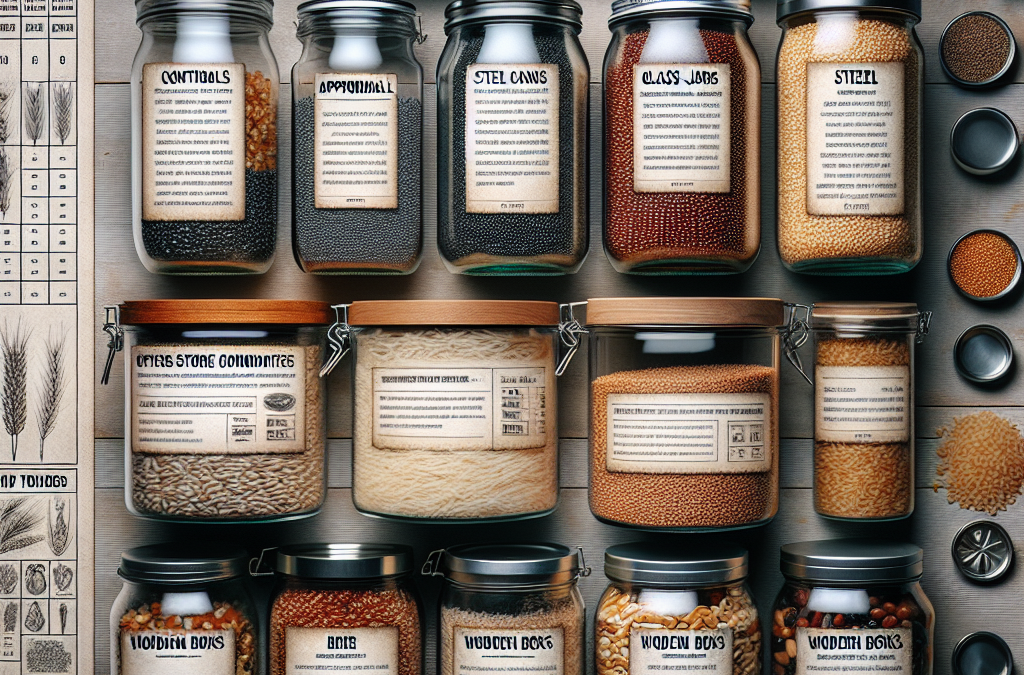
Choosing the right storage bins for wheat and rice is essential for maintaining the quality and longevity of your grain supply. These bins not only protect your harvest from pests and moisture but also provide a safe environment that minimizes spoilage. However, many people overlook critical aspects when selecting storage solutions, leading to wasted resources and compromised grain quality.
Many assume that any bin will suffice for grain storage, but the reality is that different materials, sizes, and designs cater to specific needs and environments. Factors like humidity, temperature, and even the type of grain can significantly impact the effectiveness of your storage solution. Understanding these nuances is key to optimizing your grain storage.

Types of Storage Bins
There are various types of storage bins available for wheat and rice, each designed to meet specific needs. Common options include metal silos, plastic bins, and fabric storage solutions. Metal silos are durable and often used for large-scale operations, while plastic bins offer versatility for smaller storage needs. Fabric bins are lightweight and portable, making them suitable for temporary storage.
When selecting a type, consider the volume of grain you need to store, available space, and the duration of storage. For instance, metal silos excel in long-term storage, while plastic bins may be more appropriate for short-term needs. Understanding the benefits and limitations of each type will help you make an informed choice.
Choosing the Right Material
The material of your storage bin significantly impacts its effectiveness. Metal bins provide excellent protection against pests and moisture but can be prone to rust if not properly maintained. Plastic bins are lightweight and resistant to moisture but may degrade over time when exposed to sunlight. Fabric bins are breathable but may not offer the same level of protection against pests.
It’s crucial to weigh these factors against your specific storage conditions. For example, in humid climates, opting for metal or treated plastic may be wise to prevent moisture buildup. Conversely, if portability is essential, fabric bins might be the best choice despite their limitations.
Best Practices for Grain Storage
To maximize the effectiveness of your storage bins for wheat and rice, consider implementing best practices such as keeping bins clean and dry, monitoring humidity levels, and regularly inspecting for signs of pests. Proper ventilation is also critical, as it helps reduce moisture buildup and prevents spoilage.
Establishing a routine for checking your storage conditions can save you from significant losses. For instance, if you notice an increase in humidity, you may need to invest in dehumidifiers or improve airflow around your bins. These proactive steps ensure your grain remains in optimal condition.
Get Whole Wheat Flour, Grains and Milling Supplies – CLICK HERE

Common Mistakes to Avoid
Many people make the mistake of underestimating the importance of regular maintenance. Failing to inspect bins for leaks, cracks, or signs of pests can lead to severe consequences, including grain spoilage and loss of quality. Additionally, overcrowding bins can prevent proper airflow, leading to moisture retention.
Awareness of these pitfalls can help you avoid costly errors. Establishing a consistent maintenance schedule and being vigilant about storage conditions are key to preserving your grain supply effectively.
Frequently Asked Questions
What are the best materials for storage bins for wheat and rice?
Metal and treated plastic are generally the best materials, as they provide excellent protection against moisture and pests.
How long can I store wheat and rice in bins?
With proper conditions, wheat can last for several years, while rice can be stored for up to 30 years if kept dry and cool.
What is the ideal humidity level for grain storage?
The ideal humidity level for storing grains is around 13-14% moisture content to prevent spoilage and pest infestations.
How can I prevent pests in my storage bins?
Regular cleaning, sealing any openings, and using pest deterrents like diatomaceous earth can help keep pests at bay.
Is it necessary to ventilate storage bins?
Yes, proper ventilation is crucial to prevent moisture buildup and maintain the quality of the stored grains.
Conclusion
In closing, selecting the right storage bins for wheat and rice is vital for safeguarding your grain supply. Prioritize quality materials, maintain optimal storage conditions, and be vigilant about regular inspections. By doing so, you can ensure the longevity and quality of your grains, securing your food supply for the future. Take action today to optimize your grain storage practices.
Related Content
- Temperature Control in Grain Storage: Best Practices
- Storing Grains With Oxygen Absorbers: Effective Methods for Maximizing Shelf Life
- Emergency Supply of Grains: Essential Steps for Ensuring Food Security During Crises
- Food Storage – Which Method Is Best?
- Grain Storage Tips for Survivalists: Essential Methods for Long-Lasting Preservation
Auto Amazon Links: No products found.