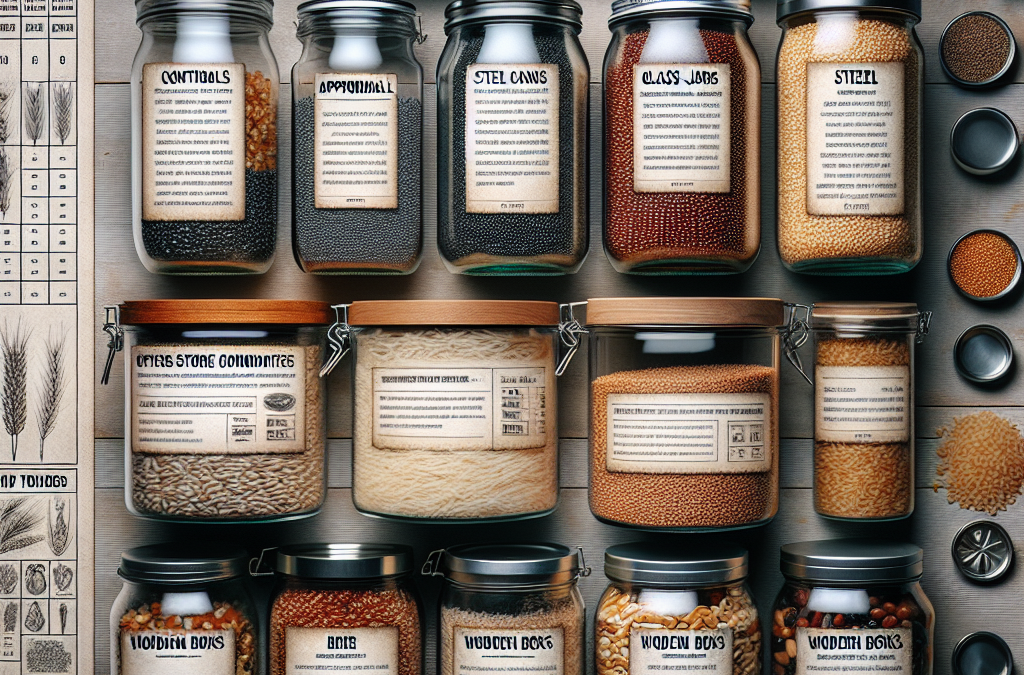
Choosing the right storage method is crucial. For instance, moisture can lead to mold growth, while exposure to air can cause grains to oxidize and lose their nutritional value. Using airtight containers not only protects grains from environmental factors but also helps in minimizing the risk of pest infestations. Additionally, keeping grains in a stable temperature environment, ideally below 70°F (21°C), is vital for long-term preservation.
A common mistake is storing grains in their original packaging, which often lacks adequate sealing. Instead, transfer them to containers made of glass, metal, or heavy-duty plastic. It’s also important to consider adding oxygen absorbers to further protect against spoilage. Regularly inspecting your stored grains for signs of moisture or pests is essential to catch any issues early.
Choosing the Right Storage Container
Selecting the appropriate storage container is one of the most important steps in keeping grain fresh. Airtight containers made from glass or heavy-duty plastic are recommended because they prevent moisture and air from entering. Metal containers can also be effective but should be rust-resistant to ensure longevity.
Additionally, consider the size of the container based on your storage needs. Smaller containers might be suitable for frequent use, while larger containers can help store bulk grains. Always ensure that the container is clean and dry before use to avoid contamination.
Many people overlook the importance of sealing containers tightly after each use. Even a small gap can lead to moisture accumulation and pest entry. Therefore, always inspect the seals and lids to ensure they are functioning correctly.
Ideal Storage Conditions for Grains
The environment in which you store your grains plays a critical role in their preservation. Ideally, grains should be kept in a cool, dry, and dark place. This helps in minimizing the risk of spoilage due to heat, humidity, and light exposure.
Temperature fluctuations can also affect grain quality. Maintaining a consistent temperature below 70°F (21°C) is ideal, as higher temperatures can accelerate spoilage. If you live in a humid area, consider using a dehumidifier in your storage area.
Moreover, keeping grains away from direct sunlight can prevent them from heating up and degrading. Many people mistakenly store grains in bright areas, thinking light will not affect them, but this can lead to significant quality loss over time.
Common Mistakes to Avoid
Avoiding common pitfalls can greatly enhance your success in keeping grain fresh. One major mistake is not checking for pests before storing grains. Infestations can occur quickly, and if not addressed, they can ruin your entire stock.
Another mistake is neglecting to label containers with the storage date. Without proper labeling, it can be difficult to track how long the grains have been stored, leading to potential spoilage. Always use a permanent marker or a label maker to mark the date of storage.
Get Whole Wheat Flour, Grains and Milling Supplies – CLICK HERE

Lastly, many overlook the importance of keeping grains off the ground. Storing containers directly on the floor can expose them to moisture. Elevating them on shelves or pallets can help protect against dampness and pests.
Monitoring and Maintenance
Regular monitoring is essential for effective grain storage. This includes checking for signs of moisture, pests, or spoilage. Every few months, inspect your grains and containers to ensure everything is intact and functioning as it should.
Additionally, consider implementing a rotation system where older grains are used first. This practice, known as FIFO (first in, first out), helps prevent older grains from going stale or spoiling.
Many people fail to realize that even small changes in the storage environment can affect grain quality. Therefore, keeping a close eye on temperature and humidity levels is crucial for long-term success in grain preservation.
Further Reading
Authoritative Sources
- Iowa State University Extension and Outreach
extension.iastate.eduThis resource provides comprehensive guidelines on grain storage methods and best practices
Frequently Asked Questions
What is the best way to store grains?
The best way to store grains is in airtight containers kept in a cool, dry, and dark place to prevent moisture and pest infestations.
How long can grains be stored?
Grains can typically be stored for 6 months to several years, depending on the type and storage conditions. Proper storage can significantly extend their shelf life.
Can I use vacuum sealing for grain storage?
Yes, vacuum sealing is an effective method for keeping grains fresh as it removes air, reducing the chances of spoilage and pest entry.
What temperature is ideal for grain storage?
The ideal temperature for grain storage is below 70°F (21°C), as higher temperatures can accelerate spoilage and reduce quality.
How often should I check my stored grains?
It is recommended to check your stored grains every few months for signs of moisture, pests, or spoilage to ensure they remain fresh.
Get Whole Wheat Flour, Grains and Milling Supplies – CLICK HERE
Auto Amazon Links: No products found.