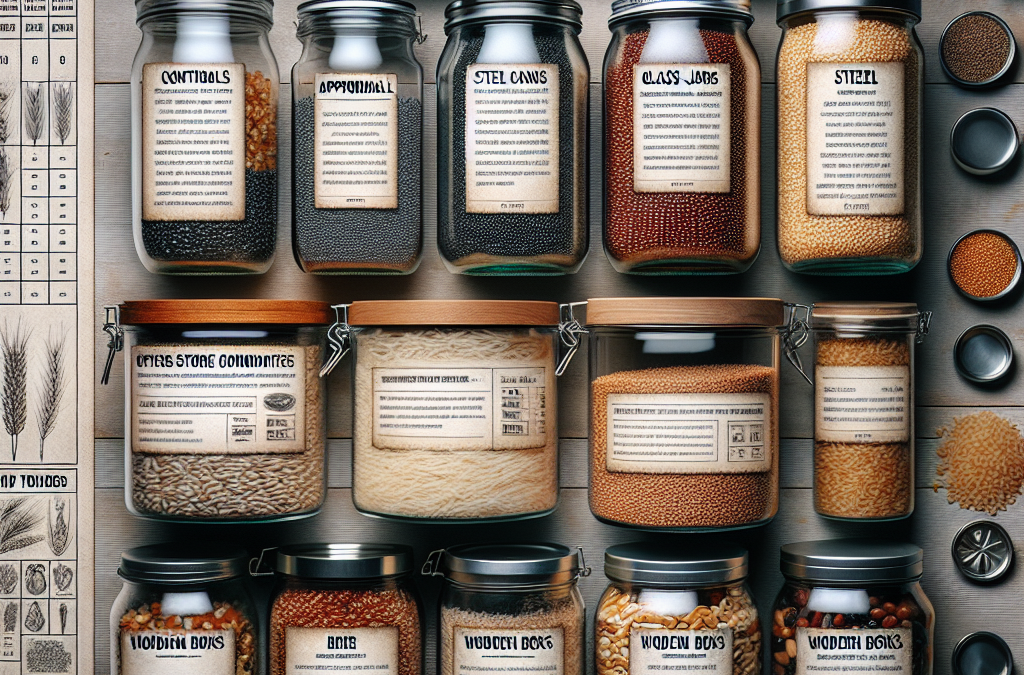
Understanding the specific conditions that contribute to grain spoilage is essential. Factors like temperature, humidity, and exposure to light can significantly affect grain quality. For instance, high humidity can lead to mold growth, while excessive light can cause the degradation of nutrients. Prioritizing these conditions when storing grains can help mitigate risks and extend their shelf life.
One common mistake to avoid is storing grains in non-airtight containers, which can lead to moisture absorption and pest infestations. It’s also vital to regularly check stored grains for any signs of spoilage or pest activity, which can quickly escalate if not monitored. By implementing these strategies, you can effectively store grains without refrigeration.
Choosing the Right Containers
Selecting appropriate containers for grain storage is a foundational step in maintaining quality. Airtight containers, such as glass jars or heavy-duty plastic bins, are ideal as they prevent air and moisture from entering. Vacuum-sealed bags are also effective for long-term storage. Ensure that the containers are clean and dry before filling them to avoid introducing contaminants.
Consider the volume of grains you plan to store. Using containers that are too large can lead to air pockets, while small containers might require frequent refills. Aim for a balance that allows for both easy access and minimal exposure to air. Regularly inspect these containers for any signs of wear or damage to maintain their effectiveness.
Additionally, labeling your containers with the type of grain and the storage date can help you track freshness. Grains like rice or wheat may last for years when stored properly, but keeping records ensures that you use them within their optimal time frame.
Optimal Storage Conditions
To maximize the shelf life of grains, it’s essential to store them in environments that minimize temperature fluctuations and moisture. Ideally, grains should be kept in a cool, dark place, such as a pantry or cellar. Avoid areas near stoves, windows, or other heat sources that may lead to temperature spikes.
Maintaining a consistent temperature is vital, as fluctuations can cause condensation within containers. A temperature range of 50°F to 70°F is generally ideal. If your environment is particularly humid, consider using desiccants or moisture absorbers in storage areas to help control humidity levels.
Regularly monitoring the storage environment can prevent potential issues. Using a hygrometer can help you keep track of humidity levels, allowing you to take corrective measures before spoilage occurs.
Moisture Control Techniques
Moisture is one of the biggest threats to grain storage. Excess moisture can lead to mold, spoilage, and pest infestations. To combat this, consider using moisture absorbers like silica gel packs or food-grade diatomaceous earth in your storage containers. These materials help maintain low humidity levels, thereby preserving grain quality.
Another effective method is to ensure grains are completely dry before storage. For instance, sun-drying grains or using a dehydrator can help reduce moisture content significantly. Aim for a moisture content of 12% or lower for optimal storage.
Regularly checking moisture levels in stored grains is also important. If you notice any signs of dampness or mold, it’s best to discard the affected grains to prevent further contamination.
Get Whole Wheat Flour, Grains and Milling Supplies – CLICK HERE

Pest Prevention Strategies
Pests can quickly ruin stored grains if not adequately controlled. Common pests include weevils, moths, and rodents, which can infest grains and lead to significant losses. To prevent these issues, ensure that all grains are clean before storage and inspect them for any signs of infestation.
Using airtight containers can significantly reduce the risk of pest access. Additionally, consider incorporating natural deterrents, such as bay leaves or essential oils, which can repel pests without introducing harmful chemicals.
Regularly inspect your grain storage area for any signs of pest activity. If you find evidence of pests, take immediate action to clean the area and remove any infested grains. Implementing a proactive approach to pest management is key to successful grain storage.
Further Reading
Authoritative Sources
- Food and Agriculture Organization (FAO)
fao.orgThis source provides comprehensive guidelines on grain storage best practices
- National Agricultural Library
nal.usda.govA valuable resource for research and information on agricultural practices, including grain storage
Frequently Asked Questions
What is the ideal moisture content for stored grains?
The ideal moisture content for most grains is around 12% or lower to prevent spoilage and mold growth.
How can I tell if my grains are spoiled?
Signs of spoilage include unusual odors, discoloration, and the presence of mold or pests. If you notice any of these, discard the affected grains.
Can I store grains in plastic bags?
Yes, but ensure they are airtight and kept in a cool, dark place. Consider using vacuum-sealed bags for better preservation.
Plastic bags can be used for storage, but they should be airtight and stored in a cool, dark environment. Vacuum-sealing is recommended for optimal preservation.
What natural methods can I use to deter pests?
Natural deterrents include bay leaves and essential oils, which can repel pests without introducing harmful chemicals.
How often should I check my stored grains?
It’s advisable to check stored grains every few months for signs of spoilage or pest activity to ensure they remain safe for consumption.
Conclusion
Grain storage without refrigeration is achievable through careful attention to container choice, environmental conditions, moisture control, and pest prevention. By employing airtight containers and maintaining a cool, dark storage environment, you can significantly extend the shelf life of grains. Regular monitoring and proactive measures can prevent spoilage and ensure your grains remain nutritious and safe. Prioritize these strategies, and you’ll find that storing grains without refrigeration is not only feasible but also effective for long-term food preservation.
Get Whole Wheat Flour, Grains and Milling Supplies – CLICK HERE
Related Content
- Best Wheat for Food Storage: Top Varieties for Long-Term Sustainability
- Low wheat inventory cause for concern
- How to Choose the Right Type of Whole Grain for Baking
- How to Assess the Effectiveness of Grain Preservation Methods: Key Techniques and Evaluation Metrics
- The Importance of Grain Storage in Historical Contexts
Auto Amazon Links: No products found.