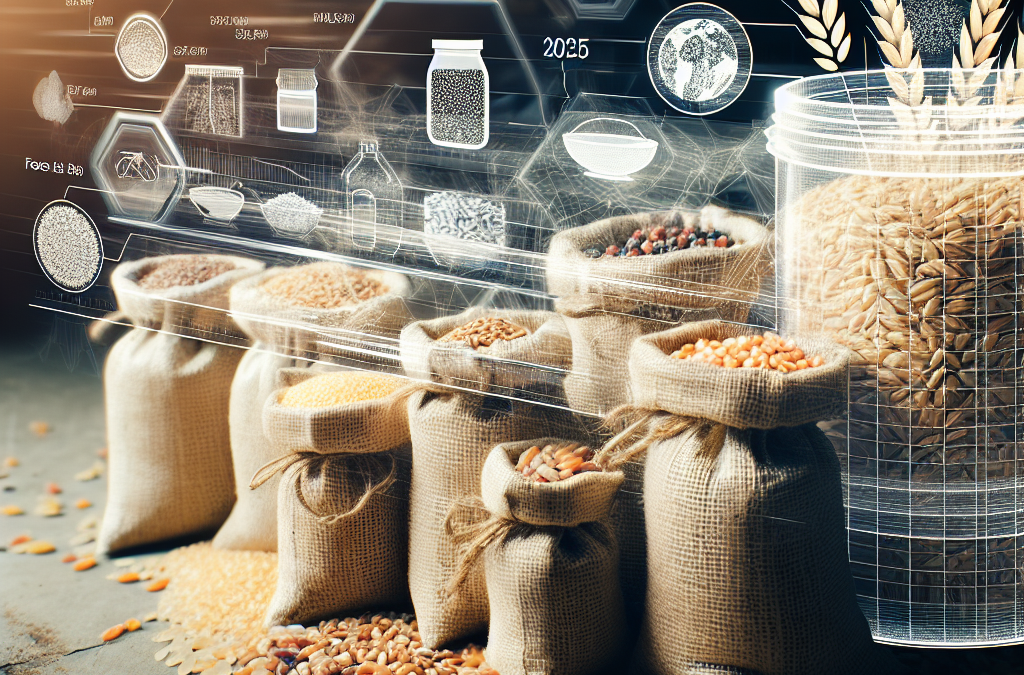
When considering grain storage, the specific requirements for different types of grains. While Mylar bags offer superior protection, the effectiveness of this storage method can be influenced by factors such as temperature, humidity, and the presence of oxygen. Properly sealing the bags and storing them in a cool, dark place will maximize their effectiveness. Additionally, using oxygen absorbers within the bags can further enhance preservation by removing any residual oxygen that could lead to spoilage.
A common mistake when using Mylar bags is failing to account for the initial moisture content of the grains. If grains are stored with too much moisture, they can develop mold or spoilage, even within Mylar bags. Therefore, it’s crucial to ensure that grains are thoroughly dried before storage. Furthermore, labeling bags with the date of storage and the type of grain can help track freshness and rotation.
Benefits of Mylar Bags for Grain Storage
Mylar bags provide significant advantages for grain storage, primarily due to their excellent barrier properties. They are designed to block moisture, light, and oxygen, which are the primary culprits in grain spoilage. The use of Mylar bags can extend the shelf life of grains considerably compared to traditional storage methods.
One of the key benefits of Mylar bags is their ability to create a vacuum seal when used with oxygen absorbers. This vacuum sealing process removes air from the bag, significantly reducing the risk of oxidation and spoilage. Additionally, Mylar bags are resistant to punctures and tears, making them a robust option for long-term storage. They also take up less space than rigid containers, allowing for easier storage and organization.
Another important consideration is the cost-effectiveness of using Mylar bags. They are relatively inexpensive compared to other storage methods like vacuum-sealed containers, yet they provide comparable, if not superior, protection. This affordability makes them an attractive option for both home users and larger grain storage operations.
How to Use Mylar Bags Effectively
To maximize the effectiveness of Mylar bags for grain storage, it’s essential to follow a few key steps. Start by selecting high-quality Mylar bags that are at least 5 mil thick, as thicker bags offer better protection. Next, ensure that the grains are properly dried to a moisture content of 10-12% before packing.
When packing the grains into the Mylar bags, leave enough space at the top to seal them properly. It’s advisable to use oxygen absorbers, which can be added directly into the bag before sealing. After filling the bag, use a heat sealer to close it tightly. This sealing process is crucial in preventing air and moisture from entering the bag.
After sealing, store the Mylar bags in a cool, dark place to further protect against light and temperature fluctuations. Regularly check the bags for any signs of damage or spoilage. If using multiple bags, consider organizing them by type and date for easier access and management.
Common Mistakes to Avoid
While Mylar bags are effective for grain storage, there are common pitfalls that users should avoid. One major mistake is not ensuring that the grains are adequately dried before storage. Storing damp grains can lead to mold growth and spoilage, negating the benefits of Mylar bags.
Another common error is improperly sealing the bags. Users should be careful to create an airtight seal with a heat sealer, as any gaps can allow air to seep in, compromising the quality of the grains. Additionally, failing to label the bags can lead to confusion when trying to determine the contents and their storage dates.
In summary, many users underestimate the importance of storage conditions. Mylar bags should be kept away from direct sunlight and high temperatures to maintain their structural integrity and effectiveness. Proper environmental controls are crucial for long-term success in grain storage.
Get Whole Wheat Flour, Grains and Milling Supplies – CLICK HERE

Best Practices for Long-Term Storage
For optimal long-term storage of grains using Mylar bags, implementing best practices is essential. First, always ensure that the bags are filled with properly dried grains, as mentioned earlier. Using food-grade oxygen absorbers is highly recommended to remove any remaining oxygen from the bag.
Consider storing Mylar bags in a secondary container, such as a plastic bin or cardboard box, for added protection against physical damage. This additional layer can help prevent punctures or tears that may occur during storage or transportation.
Lastly, regularly monitor the stored grains and bags for any signs of spoilage or damage. Maintaining a rotation system by using older bags first can help ensure that grains are consumed before they reach the end of their shelf life. This proactive approach will help maintain the quality and safety of your stored grains.
Further Reading
Authoritative Sources
- Emergency Food Storage: The Role of Mylar Bags
usaemergencysupply.comThis source provides insights on using Mylar bags for effective emergency food storage
- Grain Storage Techniques: Best Practices
extension.orgAn overview of grain storage techniques, including the use of Mylar bags
- Storing Grains Safely
foodsafety.govA resource on safe grain storage methods and practices
Frequently Asked Questions
Can Mylar bags be reused for grain storage?
Mylar bags are generally not recommended for reuse due to potential contamination and loss of seal integrity.
How long can grains be stored in Mylar bags?
When properly sealed and stored, grains can last 10-30 years in Mylar bags, depending on the type of grain.
Do I need to use oxygen absorbers with Mylar bags?
While not strictly necessary, oxygen absorbers significantly enhance the preservation of grains by removing oxygen.
What types of grains are best suited for Mylar bag storage?
Most dried grains, such as rice, wheat, and corn, are well-suited for storage in Mylar bags.
How should I store Mylar bags after sealing?
Store sealed Mylar bags in a cool, dark place away from direct sunlight and temperature fluctuations for best results.
Conclusion
All in all, Mylar bags offer a reliable and effective solution for grain storage, particularly when used correctly. By understanding the benefits, following proper usage techniques, and avoiding common mistakes, you can significantly extend the shelf life of your grains. Prioritize proper drying, sealing, and storage conditions to ensure the best outcomes. Embrace Mylar bags as a valuable tool in your grain storage strategy, and enjoy the long-term benefits they provide.
Get Whole Wheat Flour, Grains and Milling Supplies – CLICK HERE
Auto Amazon Links: No products found.