
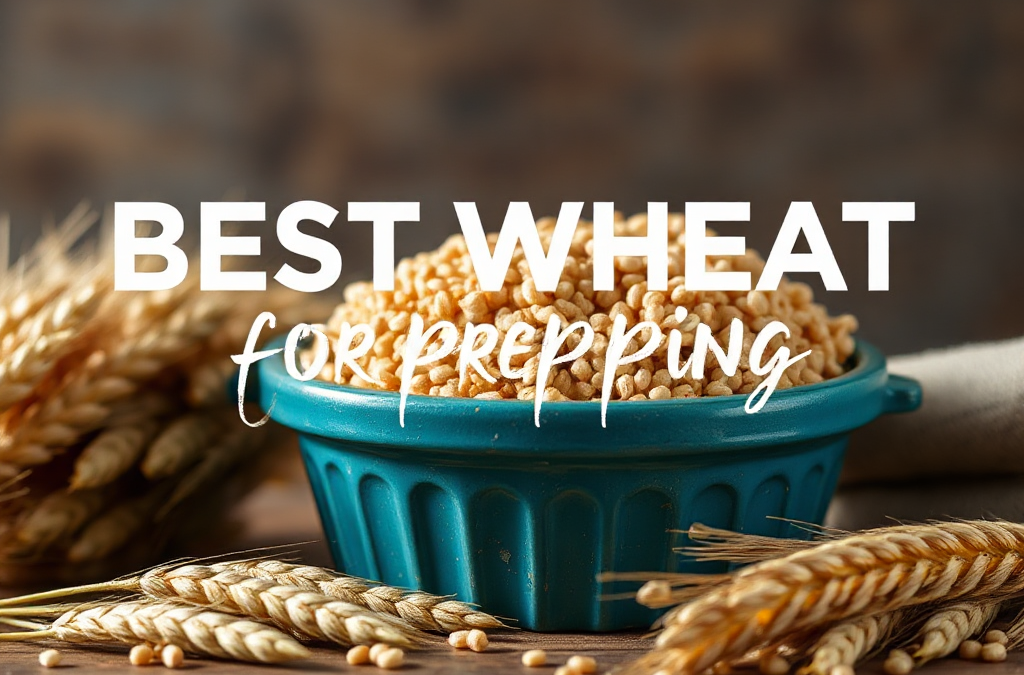
The best wheat for prepping includes hard red winter wheat, hard red spring wheat, and soft white wheat, each offering unique benefits for long-term storage and culinary use. Hard red winter wheat is excellent for bread-making due to its high protein content and gluten strength, while hard red spring wheat is ideal for artisan breads and pizza dough because of its even higher protein levels. Soft white wheat, with its milder flavor, is perfect for pastries and cakes. When selecting wheat, consider its storage longevity; properly stored wheat can last for decades, making it a reliable choice for preppers. Prioritize varieties that align with your baking needs and ensure they are stored in optimal conditions to maximize their shelf life.
Understanding Wheat Varieties
Wheat comes in various types, each with unique properties that influence their suitability for prepping. The most common types are hard red winter wheat, hard red spring wheat, and soft white wheat. Hard red winter wheat is known for its high protein content and gluten strength, making it ideal for bread and baked goods. Hard red spring wheat has even higher protein levels, which is advantageous for artisan bread and pizza dough.
Soft white wheat is typically milder in flavor, making it suitable for pastries and cakes. For preppers, the choice of wheat should align with intended uses, whether for bread-making or other culinary applications. Understanding the specific characteristics of each wheat type helps in selecting the best fit for long-term storage and meal preparation.
Factors to Consider for Prepping
Choosing the right wheat for prepping involves evaluating several factors, including protein content, gluten strength, and storage longevity. High-protein wheat varieties, like hard red spring wheat, are preferred for their superior baking qualities. Gluten strength is crucial for bread-making, which directly affects the texture and rise of the baked product.
Additionally, consider the shelf life of the wheat. Properly stored wheat can last for decades, but factors such as temperature, moisture, and light exposure can significantly impact its longevity. Preppers should prioritize wheat varieties that not only meet their culinary needs but also offer resilience in storage conditions.
Storage Methods for Wheat
Storing wheat properly is essential for maintaining its quality over time. The best practices involve keeping wheat in a cool, dry place, ideally in airtight containers to prevent moisture and pest infestation. Food-grade buckets or Mylar bags with oxygen absorbers are popular choices for long-term storage.
Additionally, sealing wheat in a vacuum can further enhance its shelf life. It’s important to regularly check stored wheat for signs of spoilage or infestation, ensuring that it remains viable for future use. Knowing how to store wheat effectively allows preppers to safeguard their food supply against unforeseen circumstances.
Common Mistakes When Choosing Wheat
One of the most common mistakes preppers make is opting for the cheapest wheat without considering its quality. Low-quality wheat may have lower protein levels and poorer baking properties, leading to unsatisfactory results in food preparation. Another mistake is neglecting to consider personal preferences and dietary needs, which can affect the usability of the stored wheat.
Many preppers also overlook the importance of regular rotation of their wheat stock. Failing to use older wheat in favor of newer supplies can lead to waste and potential spoilage. Understanding these pitfalls helps in making informed decisions about the best wheat for prepping.
Frequently Asked Questions
What is the best type of wheat for baking bread?
Hard red winter wheat is often considered the best for baking bread due to its high protein content and strong gluten structure.
How long can wheat be stored?
When stored correctly in a cool, dry place, wheat can last 10 to 30 years.
Can I use soft white wheat for bread?
Yes, soft white wheat can be used for bread, but it is better suited for pastries and cakes due to its lower protein content.
What is the best way to store wheat long-term?
The best way to store wheat long-term is in airtight containers, such as food-grade buckets or Mylar bags with oxygen absorbers, kept in a cool, dark environment.
Should I rotate my wheat supply?
Yes, rotating your wheat supply is important to ensure that older stock is used first, preventing spoilage.
Conclusion
Choosing the best wheat for prepping is essential for ensuring a reliable food supply. Focus on high-quality varieties, proper storage methods, and regular rotation to maximize the longevity and usability of your wheat. By understanding the characteristics of different wheat types and avoiding common mistakes, you can effectively prepare for any situation.
Get Whole Wheat Flour, Grains and Milling Supplies – CLICK HERE

Auto Amazon Links: No products found.





