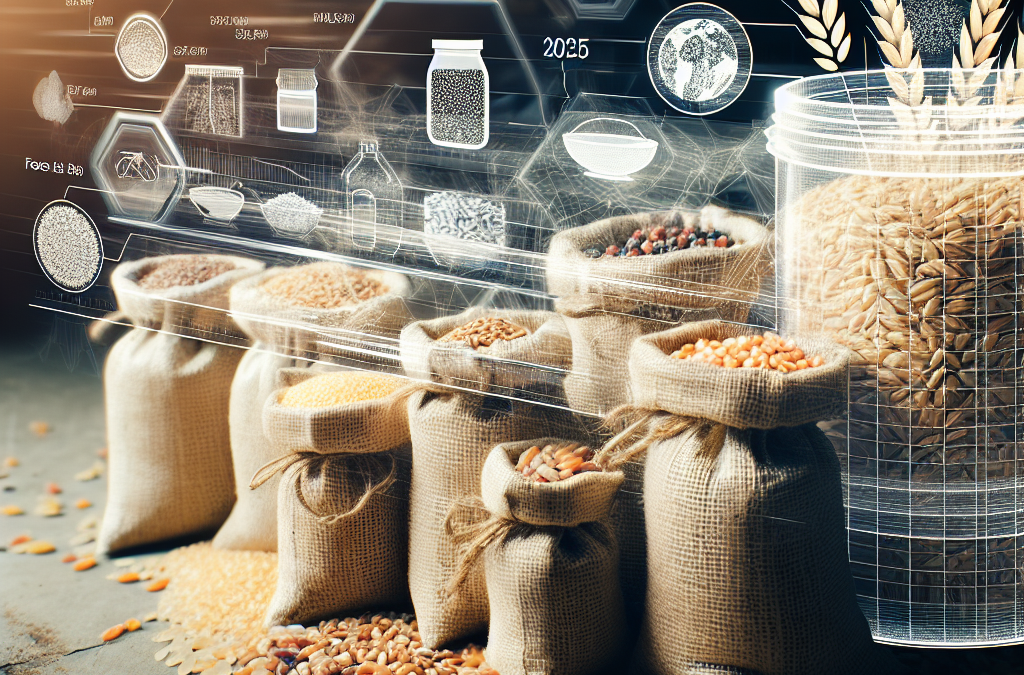
Inadequate storage can lead to food waste and potential health risks. Smart storage begins with recognizing the type of food being stored, as each has unique requirements. For instance, dry goods like rice and beans can be stored in airtight containers to prevent moisture infiltration, while perishables require refrigeration or freezing to extend their life. A common mistake is overlooking the importance of temperature control; foods stored at improper temperatures are more susceptible to spoilage.
Additionally, it is crucial to prioritize the use of proper storage methods based on food type. For example, vacuum sealing can significantly extend the shelf life of meats and cheeses, while canning is an effective method for preserving fruits and vegetables. Understanding these methods and their applications can lead to smarter food storage choices.
Understanding Food Types and Their Storage Needs
Different types of food require distinct storage methods to maintain their quality and safety. Dry goods, such as grains and legumes, can often be stored at room temperature in airtight containers to keep moisture and pests at bay. In contrast, perishable items, like dairy and meats, must be refrigerated or frozen to prevent spoilage.
It’s also vital to consider the shelf life of each food type. For example, canned goods can last for several years, while fresh produce has a much shorter lifespan. Failing to account for these differences can lead to wasted food and money. Prioritizing understanding of food types will lead to more informed storage decisions.
Moreover, some foods can be stored together to enhance preservation. For instance, storing apples with potatoes can help keep the potatoes from sprouting due to the ethylene gas released by apples. Understanding these interactions can provide additional benefits in food storage.
Essential Storage Techniques
Implementing effective storage techniques is crucial for maintaining food quality. Vacuum sealing, for example, is a highly effective method for extending the life of meats, cheeses, and even some vegetables by removing air that promotes spoilage. Additionally, using airtight containers for dry goods can prevent moisture and pest infiltration.
Temperature control is another critical factor. Foods should be stored at the appropriate temperatures: below 40°F for refrigeration and 0°F or lower for freezing. This helps to slow down the growth of bacteria and mold. Smart readers should invest in a good thermometer to monitor their storage conditions accurately.
Furthermore, labeling your stored food with dates can help in managing inventory and ensuring older items are used first. This practice, often called FIFO (First In, First Out), helps minimize waste and maximizes the use of stored food.
Common Mistakes in Food Storage
Many people make mistakes when storing food that can lead to spoilage and waste. One common error is overpacking storage containers, which can restrict airflow and create a humid environment that fosters mold growth. It’s essential to leave some space in containers to allow for air circulation.
Another mistake is neglecting temperature control. Foods stored above recommended temperatures can spoil quickly, so regular checks of storage appliances are necessary. Additionally, failing to properly clean storage areas can lead to contamination from pests or mold.
Get Whole Wheat Flour, Grains and Milling Supplies – CLICK HERE

In closing, misunderstanding expiration dates can lead to premature disposal of food. It’s crucial to differentiate between “sell by,” “use by,” and “best by” dates, as each serves a different purpose in food storage. Knowing these distinctions can help in making informed decisions about food safety.
Evaluating Storage Options
Choosing the right storage option can significantly impact food preservation. For instance, glass jars are excellent for dry goods as they are airtight and reusable, while vacuum seal bags are ideal for meats and bulk items. Understanding the benefits and limitations of each option can improve storage effectiveness.
Consideration of space is also vital. For those with limited storage space, utilizing vertical storage solutions can maximize efficiency. Additionally, investing in stackable containers can help organize food while saving space.
Ultimately, selecting the best storage option will depend on the type of food, the available space, and personal preferences. Weighing these factors will lead to better decisions that enhance food longevity.
Further Reading
Authoritative Sources
- MedlinePlus
medlineplus.govConsumer-friendly medical and health information from the U.S. National Library of Medicine.
- National Institutes of Health
nih.govResearch-based health information and links to authoritative medical resources.
- Centers for Disease Control and Prevention
cdc.govOfficial public health guidance, prevention resources, and topic-specific recommendations.
- Mayo Clinic
mayoclinic.orgTrusted clinical guidance, symptom explainers, and treatment overviews.
- World Health Organization
who.intGlobal health guidance, fact sheets, and evidence-based public health information.
Frequently Asked Questions
What is the best way to store dry foods?
The best way to store dry foods is in airtight containers in a cool, dark place to prevent moisture and pest infestation.
How long can I store frozen food?
Frozen food can typically be stored for several months to a year, depending on the type of food and storage conditions.
Can I store food in plastic containers?
Yes, but ensure they are food-grade and airtight to avoid contamination and spoilage.
What foods should not be stored together?
Foods that produce ethylene gas, like apples, should not be stored with sensitive items like potatoes or bananas to avoid spoilage.
How can I tell if food has gone bad?
Signs of spoilage include off smells, discoloration, and changes in texture. When in doubt, it’s best to err on the side of caution and discard questionable items.
Conclusion
To wrap up, storing large quantities of food requires an understanding of food types, effective storage techniques, and awareness of common mistakes. By prioritizing proper methods and maintaining the right conditions, you can significantly extend the shelf life of your food, minimize waste, and ensure safety. Start by evaluating your current storage practices and make adjustments based on the insights provided to enhance your food preservation strategies.
Get Whole Wheat Flour, Grains and Milling Supplies – CLICK HERE
Auto Amazon Links: No products found.