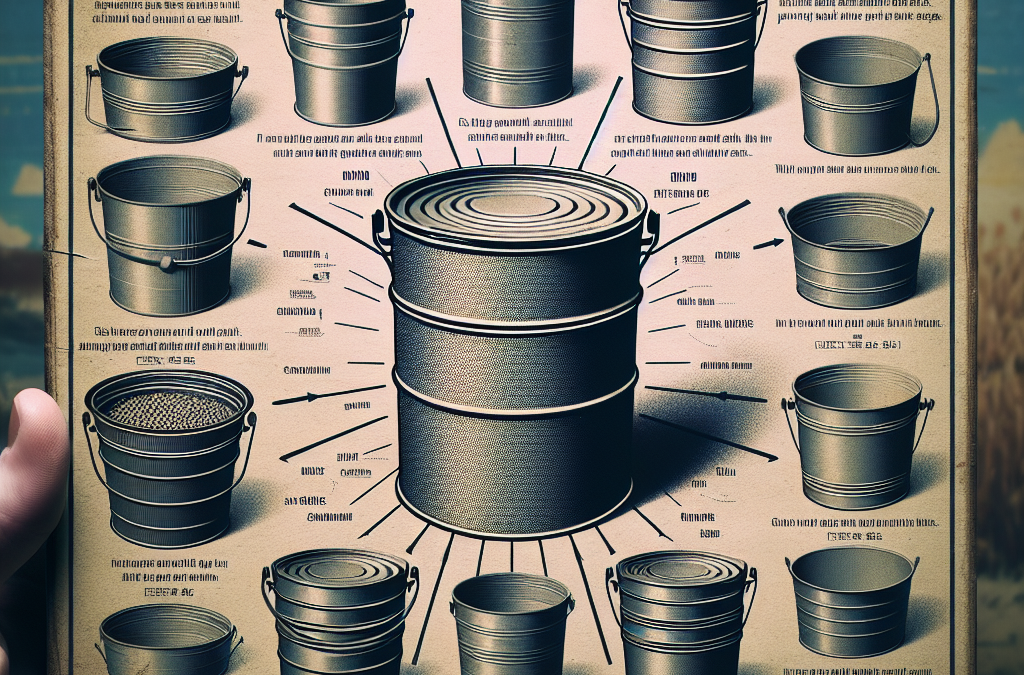
One common mistake is to store wheat in inappropriate containers, such as plastic bags, which can trap moisture and lead to spoilage. Instead, opt for airtight containers made from glass or food-grade plastic. Additionally, keeping wheat in a cool, dark place helps preserve its nutritional value and flavor. Regularly checking for signs of spoilage or pest infestation is also crucial.
Understanding the specific needs of the type of wheat you are storing is vital. Different varieties, such as hard red winter or soft white wheat, may have varying shelf lives and storage requirements. Prioritizing the right storage conditions will ensure your wheat remains viable for baking.
Choosing the Right Storage Containers
Using the right containers is crucial for storing wheat effectively. Airtight containers made of glass or food-grade plastic are ideal, as they prevent moisture and air from entering. Avoid using paper or plastic bags, which can allow moisture to seep in and lead to spoilage. It’s also beneficial to label containers with the type and date of storage to keep track of freshness.
Consider the size of your containers based on your typical usage. For larger quantities, larger containers are more efficient, but ensure they can still be sealed tightly. Smaller containers can be useful for daily use, allowing you to keep a fresh supply on hand while minimizing exposure to air.
Investing in high-quality storage containers can save you money in the long run by preserving the quality of your wheat. Regularly inspect these containers for any signs of wear or damage, as compromised seals can lead to spoilage.
Optimal Storage Conditions
The ideal storage conditions for wheat involve maintaining a cool, dry, and dark environment. A temperature range of 60°F to 70°F (15°C to 21°C) is optimal for preserving the quality of the grain. High temperatures can cause the wheat to age more quickly, reducing its baking properties and nutritional value.
Humidity is another critical factor; wheat should be stored at a relative humidity level below 15%. High humidity can lead to mold growth and attract pests. Using desiccants or moisture-absorbing packets in your storage containers can help control humidity levels effectively.
Location matters too. Avoid storing wheat in places like attics or basements where temperature fluctuations are common. Instead, a pantry or a dedicated storage area with stable temperature and humidity levels is ideal.
Monitoring Wheat for Quality
Regularly checking the quality of your stored wheat is essential for ensuring its usability. Look for any signs of spoilage, such as off odors, discoloration, or the presence of pests. If you notice any changes, it may be time to discard the affected wheat.
Additionally, practice the FIFO (First In, First Out) method by using older wheat first to ensure nothing remains in storage beyond its optimal shelf life. This practice helps maintain freshness and quality over time.
Get Whole Wheat Flour, Grains and Milling Supplies – CLICK HERE

Keep in mind that whole wheat flour has a shorter shelf life compared to whole grains, due to its higher oil content. If you are storing flour, consider refrigeration or freezing for extended shelf life.
Common Mistakes to Avoid
One of the most frequent mistakes is neglecting to seal containers properly, leading to exposure to air and moisture. Additionally, many people overlook the importance of temperature and humidity control, which are crucial for maintaining wheat quality.
Another common error is failing to monitor stored wheat regularly. Without routine checks, you may miss signs of spoilage or pest infestations that could compromise your supply.
All in all, storing different types of grains together can lead to cross-contamination. Keep wheat separate from other grains to prevent flavor transfer and maintain purity.
Further Reading
Authoritative Sources
- Iowa State University Extension and Outreach
extension.iastate.eduThis resource offers comprehensive advice on grain storage techniques and best practices
- U.S. Food and Drug Administration
fda.govThe FDA provides guidelines on safe food storage practices, including grains
Frequently Asked Questions
What is the best way to store wheat for baking?
The best way to store wheat is in airtight containers made of glass or food-grade plastic, kept in a cool, dry, and dark place.
How long can I store wheat for baking?
When stored properly, whole wheat can last for several years, while whole wheat flour has a shorter shelf life of about 6-12 months.
Can I freeze wheat for longer storage?
Yes, freezing wheat can extend its shelf life significantly, especially for flour, which benefits from being kept at low temperatures.
How do I know if my stored wheat is still good?
Check for off odors, discoloration, or pest presence. If any of these signs are present, it is best to discard the wheat.
What humidity level is ideal for storing wheat?
The ideal humidity level for storing wheat is below 15%, as higher humidity can lead to spoilage and mold growth.
Get Whole Wheat Flour, Grains and Milling Supplies – CLICK HERE
Related Content
- What food to store and a word on food calculators.
- How to Ensure Grains Are Free from Chemicals: Effective Practices for Safe Consumption
- How to Use Grains in Meal Planning for Emergencies With 7-Day Menus and Cooking Priorities
- Understanding the Cost-Effectiveness of Bulk Grain Storage: Key Benefits, Challenges, and Strategies
- Long Term Storage for Wheat: Best Practices and Common Mistakes
Auto Amazon Links: No products found.