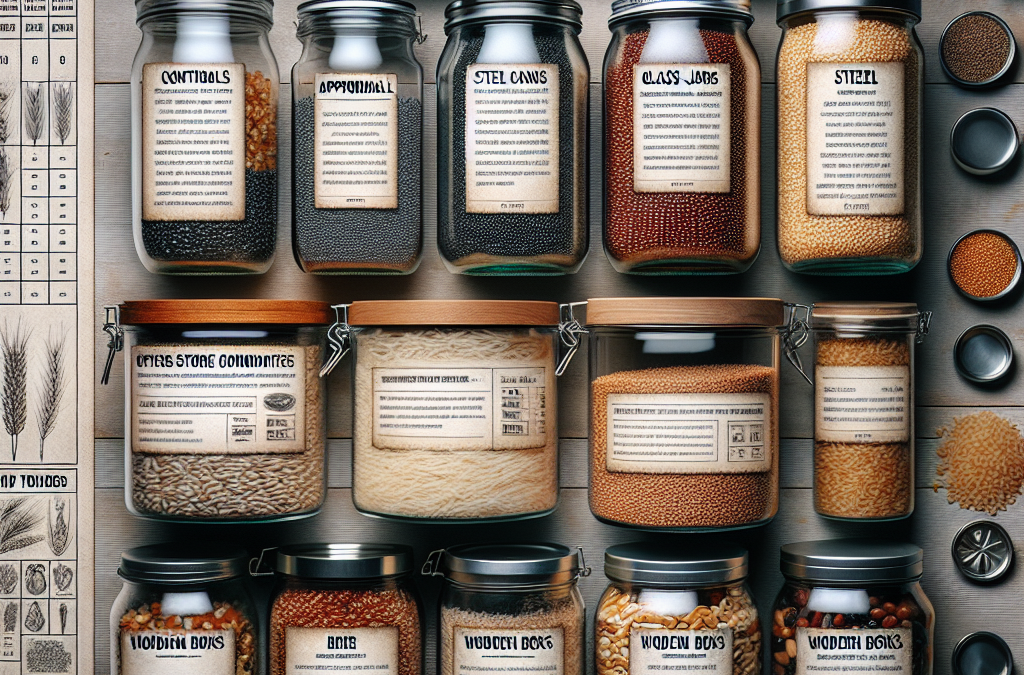
Understanding the specific requirements of different grains can also influence storage methods. For instance, some grains may require lower moisture levels than others, impacting how they should be stored. Additionally, common mistakes such as using inappropriate containers or neglecting to monitor storage conditions can lead to spoilage, making it vital to prioritize proper practices from the outset.
Many people overlook the importance of monitoring their storage conditions regularly. Implementing a consistent check on moisture levels and pest activity can prevent significant losses. Moreover, investing in quality storage solutions can yield long-term benefits, ensuring grains remain fresh and suitable for consumption.
Understanding Ideal Storage Conditions
To effectively store grains without spoilage, it’s critical to understand the ideal conditions required for each type of grain. Generally, grains should be kept in a cool, dry environment, ideally below 70°F (21°C) with a humidity level of around 15% or lower. These conditions help prevent mold growth and insect infestations, both of which can lead to spoilage.
When selecting a storage area, consider factors such as ventilation and light exposure. A dark, well-ventilated space helps maintain stable temperatures and humidity levels, further protecting the grains. Additionally, using moisture-absorbing agents can help control humidity in storage environments that may fluctuate.
One common oversight is storing grains in warm or humid locations, such as attics or basements. These areas can lead to increased moisture levels and temperature fluctuations, creating an environment conducive to spoilage. Instead, prioritize a dedicated storage area that remains consistently cool and dry.
Common Mistakes in Grain Storage
Many individuals make critical mistakes when storing grains, which can lead to spoilage and waste. One of the most frequent errors is failing to clean storage containers before use. Residue from previous contents can introduce contaminants and attract pests.
Another mistake is overfilling containers, which can restrict airflow and trap moisture. It’s essential to leave some space in the container to allow for air circulation, reducing the risk of condensation and mold growth. Additionally, neglecting to inspect stored grains regularly can lead to unnoticed spoilage or pest infestations.
To avoid these pitfalls, establish a routine for checking stored grains and containers. Look for signs of spoilage, such as off odors or discoloration, and take immediate action if any issues are detected. Regular maintenance can significantly extend the shelf life of your grains.
Choosing the Right Storage Containers
The choice of storage containers plays a vital role in preventing grain spoilage. Airtight containers made of food-grade plastic or glass are ideal, as they prevent moisture and pests from contaminating the grains. Avoid using cardboard or paper bags, as these materials do not provide adequate protection against humidity.
Consider the container’s size in relation to the amount of grain being stored. Larger containers may be more suitable for bulk storage, while smaller, manageable sizes are better for everyday use. Additionally, labeling containers with the type of grain and storage date can help keep track of freshness and usage.
One often overlooked aspect is the importance of inspecting containers for damage or wear. Cracks or loose seals can compromise the integrity of the storage solution, leading to spoilage. Regularly check and replace containers as necessary to ensure optimal grain storage conditions.
Get Whole Wheat Flour, Grains and Milling Supplies – CLICK HERE

Monitoring and Maintenance Practices
Effective monitoring and maintenance practices are crucial for successful grain storage without spoilage. Regularly checking the temperature and humidity levels in the storage area is essential. Using a hygrometer can help determine the moisture content, while a thermometer can monitor temperature fluctuations.
Implementing a schedule for rotating stored grains can also help maintain freshness. Use the first-in, first-out (FIFO) method to ensure older grains are used before newer ones. This practice minimizes the risk of spoilage, as older grains are more likely to be affected by environmental changes.
Additionally, being proactive about pest control measures, such as using traps or natural repellents, can help safeguard stored grains. Many people underestimate the impact of pests on grain storage, but even a small infestation can lead to significant losses. Regularly inspecting for signs of pests and taking immediate action can prevent extensive damage.
Further Reading
Authoritative Sources
- Grain Safety Information
grainsafety.orgThis resource provides valuable insights into safe grain storage practices and guidelines
- USDA Agricultural Marketing Service
ams.usda.govThe USDA offers a wealth of information on grain quality standards and storage recommendations
- National Agricultural Extension Services
extension.orgProvides research-based advice on grain storage and management practices
Frequently Asked Questions
What are the best conditions for grain storage?
Grain should be stored in a cool, dry environment with temperatures below 70°F and humidity levels around 15% or lower.
How can I tell if my stored grain has spoiled?
Signs of spoilage include off odors, discoloration, or the presence of mold or pests. Regularly inspect stored grains for these indicators.
What type of container is best for grain storage?
Airtight containers made of food-grade plastic or glass are ideal, as they protect against moisture and pests. Avoid cardboard or paper bags.
How often should I check my grain storage?
Regular checks should be conducted at least once a month to monitor for moisture levels, pests, and signs of spoilage.
Can I store grains in the freezer?
Yes, freezing grains can help kill pests and extend shelf life, but ensure they are sealed in airtight containers to prevent moisture absorption.
Conclusion
Successfully storing grain without spoilage involves understanding the ideal conditions and implementing best practices. Regular monitoring of temperature and humidity, choosing the right containers, and avoiding common mistakes are crucial for maintaining grain quality. By prioritizing these practices, you can ensure that your grains remain fresh and safe for consumption, maximizing their shelf life and minimizing waste.
Get Whole Wheat Flour, Grains and Milling Supplies – CLICK HERE
Related Content
Auto Amazon Links: No products found.