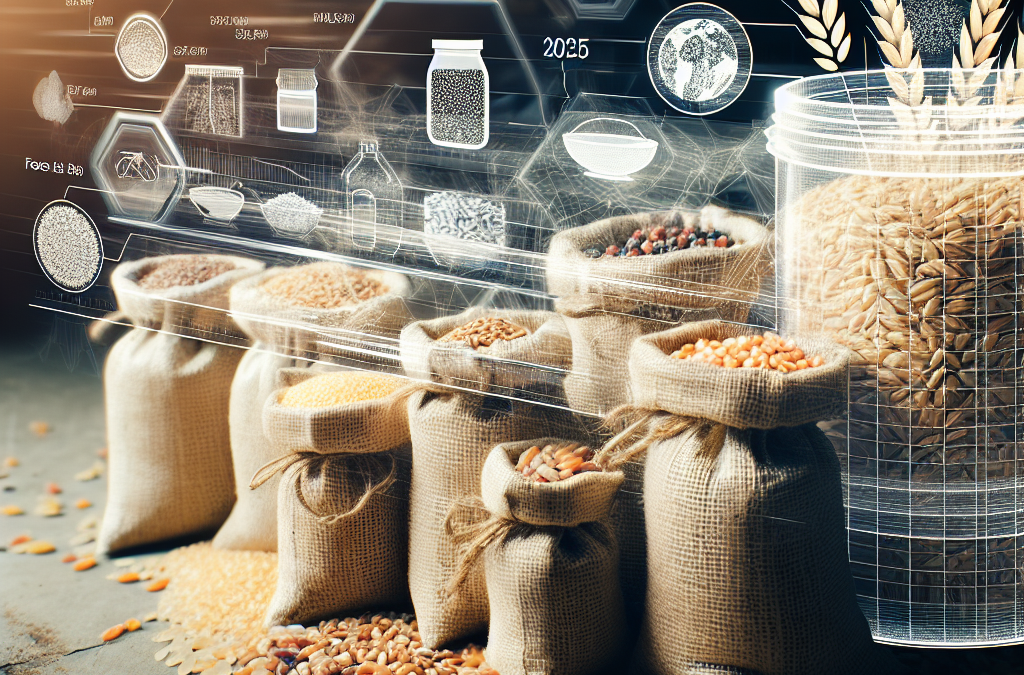
When considering grains for survival, it’s crucial to select varieties with long shelf lives, such as rice, wheat, and oats. These staples not only provide essential nutrients but also serve as the foundation for numerous meals. However, improper storage can lead to spoilage, pest infestations, and nutrient degradation. Therefore, prioritizing effective storage methods is vital for anyone looking to secure their food supply.
A common mistake many people make is underestimating the importance of environmental factors in grain storage. For instance, moisture and temperature fluctuations can significantly impact the quality of stored grains. Ensuring a consistent, cool, and dry environment is key to extending the longevity of these food sources. Additionally, understanding the specific needs of various grains can help in selecting the most appropriate storage solutions.
Choosing the Right Grains for Storage
Not all grains are created equal when it comes to storage. Some, like white rice and hard red wheat, have an impressive shelf life of up to 30 years when stored properly. Others, such as whole grains, may have shorter lifespans due to their higher oil content. Selecting grains that are less prone to spoilage is essential for building a sustainable food storage plan.
Consideration of the nutritional profile is also important; grains should provide a balanced intake of carbohydrates, proteins, and essential vitamins. This means incorporating a variety of grains into your storage plan, including legumes and seeds, to ensure a well-rounded diet during emergencies. Furthermore, it’s advisable to store grains in bulk to reduce costs and minimize the frequency of restocking.
Prioritize grains that are easy to cook and versatile. For example, oats can be used in baking and as a breakfast staple, while quinoa offers a high protein content and can serve as a base for various dishes. Understanding these factors will help create a more effective survival food storage plan.
Effective Storage Methods
To maximize the shelf life of grains, employing effective storage methods is crucial. Vacuum sealing is one of the most reliable techniques, as it removes air from the packaging, significantly slowing down the oxidation process. Using airtight containers can also protect grains from pests and moisture, which are common threats to stored food.
Additionally, consider storing grains in a cool, dark place, away from direct sunlight and heat sources. Ideal storage conditions typically involve temperatures below 70°F (21°C) and humidity levels under 15%. Utilizing desiccants or oxygen absorbers can further enhance the preservation process by controlling moisture and air levels within storage containers.
It’s important to regularly check stored grains for any signs of spoilage or infestation. This proactive approach ensures that any issues can be addressed promptly, maintaining the quality of your food supply. Furthermore, labeling containers with dates and contents can help keep track of what needs to be used first.
Common Mistakes to Avoid
One of the most prevalent mistakes in grain storage is neglecting to account for environmental conditions. Many individuals store grains in warm, humid areas, which can accelerate spoilage and attract pests. It’s essential to choose storage locations that maintain consistent temperature and humidity levels to prevent these issues.
Another mistake is overlooking the importance of food rotation. Using the first-in, first-out (FIFO) method ensures that older grains are used before newer ones, minimizing waste and maintaining freshness. Additionally, failing to inspect the grains periodically can lead to unnoticed spoilage, which could compromise the entire food supply.
Get Whole Wheat Flour, Grains and Milling Supplies – CLICK HERE

Education about the specific needs of different grains can prevent many storage-related issues. For example, some grains may require unique handling or storage conditions, and understanding these nuances is key to preserving their quality.
Understanding Shelf Life and Nutritional Value
The shelf life of grains varies significantly based on type and storage conditions. While white rice can last up to 30 years, whole grains like brown rice typically have a shelf life of only 6 months to 1 year due to their higher oil content. Understanding these differences is crucial for effective food storage planning.
Moreover, the nutritional value of grains can diminish over time, particularly if they are not stored correctly. Factors such as exposure to light, heat, and oxygen can lead to nutrient degradation. Therefore, it is essential to prioritize proper storage techniques to maintain the grains’ nutritional integrity.
Regularly updating your food storage plan based on the shelf life and nutritional content of your grains can help ensure that you are prepared for any situation. Taking the time to understand these factors will lead to a more resilient and effective survival food storage strategy.
Further Reading
Authoritative Sources
- Ready.gov
ready.govOfficial U.S. preparedness guidance, checklists, and planning resources for households and emergencies.
- FEMA
fema.govFederal emergency management resources, disaster planning information, and recovery guidance.
- American Red Cross Emergency Preparedness
redcross.orgPractical emergency preparation steps, supply lists, and safety guidance for families.
- National Weather Service
weather.govOfficial forecasts, hazard alerts, and weather safety information.
- CDC Emergency Preparedness and Response
cdc.govPublic health guidance for emergencies, disasters, and recovery situations.
Frequently Asked Questions
What type of grains are best for long-term storage?
White rice, hard red wheat, and oats are among the best grains for long-term storage due to their extended shelf lives and versatility.
How should I store grains to maximize shelf life?
Store grains in airtight containers in a cool, dark place, ideally below 70°F (21°C) and with low humidity. Vacuum sealing can also enhance preservation.
How often should I check my stored grains?
Regularly inspect stored grains every few months for signs of spoilage or pest infestation to ensure quality and safety.
Can I freeze grains for longer storage?
Yes, freezing grains can be an effective method to extend their shelf life, particularly for whole grains, by killing any potential pests and preventing spoilage.
What are common mistakes in grain storage?
Common mistakes include storing grains in warm, humid areas, neglecting food rotation, and failing to inspect for spoilage regularly.
Conclusion
In summary, grains for survival food storage play a critical role in ensuring food security during emergencies. By selecting the right types of grains and employing effective storage methods, individuals can maximize shelf life and maintain nutritional quality. Avoiding common pitfalls, such as improper environmental conditions and neglecting food rotation, can further enhance the effectiveness of your food storage strategy. Moving forward, prioritize understanding the specific needs and shelf lives of the grains you choose to store, ensuring that you are well-prepared for any situation.
Get Whole Wheat Flour, Grains and Milling Supplies – CLICK HERE
Auto Amazon Links: No products found.