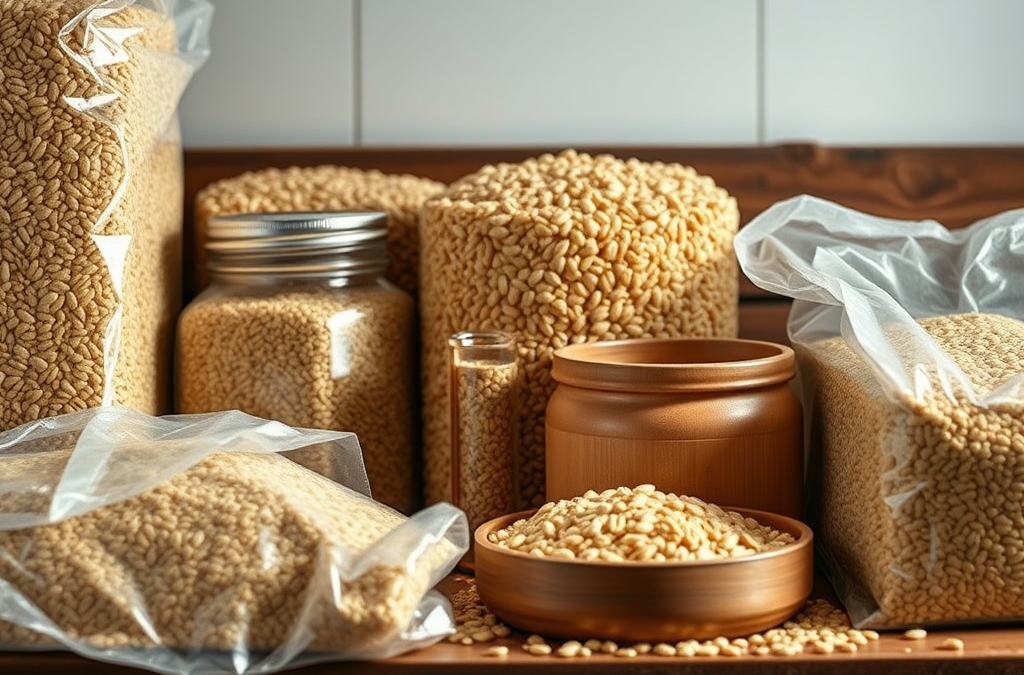
Grain storage for family preparedness is essential for ensuring a reliable food supply during emergencies. To effectively store grains like wheat, rice, and oats, families should use airtight containers and maintain low humidity and temperature conditions to prevent spoilage. It's crucial to regularly rotate stock to utilize older grains first, minimizing waste. Additionally, monitoring moisture levels is vital; grains should be kept below 13% humidity to avoid mold growth. By following these practices, families can ensure their stored grains remain safe and nutritious for long-term use.
Choosing the Right Grains for Storage
For effective grain storage, selecting the right types of grains is crucial. Common grains suitable for long-term storage include wheat, rice, corn, and oats, each offering unique benefits and storage requirements. For example, hard red wheat is particularly favored for its versatility in baking and cooking, while white rice is valued for its long shelf life and ease of preparation.
Understanding the nutritional value and culinary uses of these grains helps in making informed choices. Families should consider their dietary preferences and storage space when selecting grains. It’s important to prioritize grains that are not only versatile but also have proven longevity under proper storage conditions.
Optimal Storage Conditions
Grain storage requires specific environmental conditions to prevent spoilage and maintain quality. Ideal storage conditions include low temperatures, low humidity, and protection from light. Keeping grains in a cool, dark place minimizes the risk of pests and mold, which can compromise the integrity of the stored grains.
Humidity control is particularly vital; grains should be stored at moisture levels below 13% to prevent mold growth. Using a hygrometer can help monitor these conditions. Additionally, rotating stock regularly ensures that older grains are used first, reducing the chance of spoilage and waste over time.
Container Selection and Maintenance
Choosing the right containers for grain storage is essential for maintaining quality. Airtight containers, such as Mylar bags or food-grade plastic buckets with seals, are ideal as they protect grains from moisture and pests. Glass jars can also be effective for smaller quantities but may not be practical for larger stocks.
Regular maintenance of storage containers is important. Inspecting for signs of wear or damage, such as cracks or compromised seals, can prevent contamination. Additionally, labeling containers with the type of grain and the date of storage helps in tracking freshness and planning usage.
Common Mistakes in Grain Storage
Many families make critical mistakes when storing grains that can lead to spoilage and waste. One common error is neglecting to check moisture levels before storage, which can result in mold growth. Another frequent mistake is using non-food-grade containers, which can leach chemicals into the grains.
Additionally, failing to rotate stock can lead to older grains being forgotten, increasing the likelihood of spoilage. It’s essential to establish a system for regular inspections and usage to ensure that stored grains remain in good condition.
Frequently Asked Questions
What types of grains are best for long-term storage?
Wheat, rice, corn, and oats are commonly recommended for long-term storage due to their nutritional value and shelf life.
How should I control humidity when storing grains?
Keep grains in low-humidity environments, ideally below 13%, and use a hygrometer to monitor moisture levels.
Can I store grains in plastic containers?
Yes, but ensure they are food-grade and airtight to prevent moisture and pests from contaminating the grains.
What is the ideal temperature for grain storage?
Grains should be stored in cool environments, ideally below 70°F (21°C), to prolong shelf life and prevent spoilage.
How often should I check my stored grains?
It's advisable to inspect stored grains at least every six months to ensure they remain in good condition and to rotate stock.
Conclusion
Effective grain storage for family preparedness hinges on selecting the right types of grains, maintaining optimal storage conditions, and using appropriate containers. Families should prioritize moisture control and regular inspections to prevent spoilage. By avoiding common mistakes and establishing a systematic approach to grain storage, families can ensure they have a reliable food source during times of need.
Get Whole Wheat Flour, Grains and Milling Supplies – CLICK HERE

Auto Amazon Links: No products found.