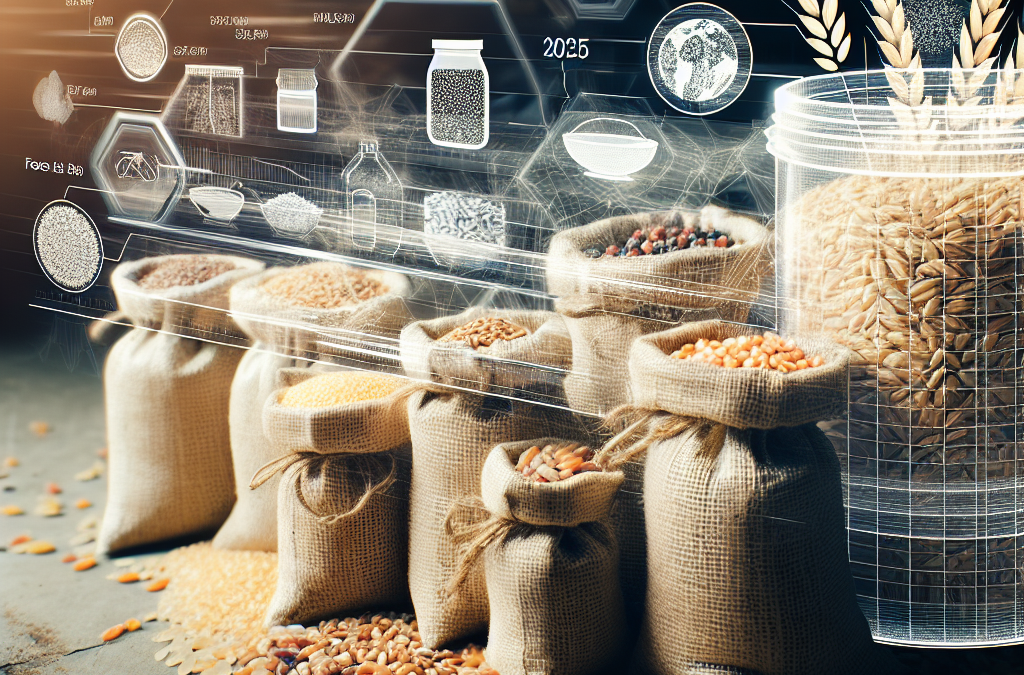
Many people overlook the importance of considering both the type of food and the storage environment. For grains, factors such as moisture content, temperature, and pests play significant roles in determining how long these items remain viable. Neglecting these factors can lead to spoilage and loss of resources when they are most needed, especially during emergencies when access to fresh supplies may be limited.
Additionally, it’s common for individuals to underestimate the quantity of food required for their specific needs. Calculating the amount needed for each person in a household, alongside planning for various dietary preferences and restrictions, is essential. Having a well-thought-out plan can prevent last-minute scrambles for supplies and ensure a steady food source during crises.
Selecting the Right Grains for Storage
Choosing the right grains is the first step in creating an effective emergency food and grain setup. Grains like wheat, rice, and oats are popular for their long shelf life and nutritional value. Each grain type has specific storage requirements and can provide different benefits, making it crucial to understand these distinctions when planning your supply.
When selecting grains, consider factors such as nutritional content, cooking time, and versatility in meal preparation. For instance, while white rice has a longer shelf life, whole grains like brown rice offer more nutrients but may spoil faster. Balancing these factors according to your needs and preferences can greatly enhance your emergency preparedness.
Another important aspect is sourcing grains from reputable suppliers to ensure quality. buying in bulk can save costs, but ensure the grains are packaged properly to avoid contamination. Additionally, keep in mind that different grains may require different handling techniques, which can affect their longevity.
Optimal Storage Conditions for Long-Term Preservation
Proper storage conditions are vital for maintaining the quality of grains over time. The ideal environment is cool, dark, and dry, as moisture and light can lead to spoilage and pest infestations. Investing in airtight containers can significantly enhance the storage life of your grains by keeping out moisture and pests.
Temperature plays a significant role in grain preservation. Ideally, grains should be stored at temperatures below 70°F (21°C) to minimize degradation. If possible, using a basement or a climate-controlled area can help maintain these conditions. Additionally, regularly checking for signs of spoilage, such as discoloration or unusual odors, can help you catch issues early.
Understanding the specifics of each grain type can also inform your storage practices. For example, while white rice can last up to 30 years if stored properly, whole grains might only last 5-10 years. Tailoring your storage strategy to the types of grains you choose will ensure that your emergency setup remains effective.
Common Mistakes in Emergency Food Setup
Many individuals make critical mistakes when preparing their emergency food and grain setup, which can lead to wasted resources. One common pitfall is failing to account for the specific needs of all household members, such as dietary restrictions or preferences. This oversight can result in purchasing items that won’t be consumed, ultimately reducing the effectiveness of your emergency stock.
Another frequent mistake is neglecting to rotate supplies. Even with proper storage, food items can degrade over time. Establishing a system for regularly checking and using older supplies ensures that nothing goes to waste and that you always have fresh resources on hand.
Additionally, some people may underestimate the importance of pest control. Grains are susceptible to infestations if not stored correctly. Using vacuum-sealed bags or airtight containers can help mitigate this risk, but regular inspections are still necessary to catch any issues early.
Regular Maintenance and Supply Rotation
Regular maintenance and supply rotation are crucial for maximizing the effectiveness of your emergency food and grain setup. A well-planned rotation system ensures that your supplies remain fresh and usable. Implementing a first-in, first-out (FIFO) approach can help manage this process effectively.
Get Whole Wheat Flour, Grains and Milling Supplies – CLICK HERE

Conducting periodic checks on your supplies can prevent unexpected spoilage. Look for signs of moisture, pests, or any changes in the appearance or smell of the grains. This proactive approach allows you to replace any compromised items before they become unusable. Additionally, keeping a log of your supplies can help track expiration dates and inventory levels.
Lastly, consider integrating your emergency food setup into your regular meal planning. This not only helps you utilize your supplies but also familiarizes your household with the items you have stored, ensuring everyone knows how to prepare meals in emergencies.
Further Reading
Authoritative Sources
- Food Safety Tips
ready.govEssential guidance on food safety during emergencies, including storage and preparation tips
- FDA Food Safety Modernization Act
fda.govInformation on regulations and best practices for food safety and storage
- USDA Food Storage Guide
nal.usda.govA comprehensive resource for understanding food storage practices and guidelines
- Harvard Food Preservation
extension.harvard.eduResearch-based information on food preservation techniques and safety
Frequently Asked Questions
What types of grains are best for emergency storage?
Wheat, white rice, oats, and corn are among the best grains for emergency storage due to their long shelf life and versatility in cooking.
How should I store grains for maximum shelf life?
Store grains in airtight containers in a cool, dark, and dry environment to prevent spoilage and pest infestations.
How often should I check my emergency food supplies?
Regularly check your supplies every 6-12 months to ensure they remain in good condition and to rotate older items into regular use.
What are common mistakes when setting up an emergency food supply?
Common mistakes include failing to account for dietary restrictions, neglecting supply rotation, and not checking for pest infestations.
How can I ensure my emergency food supply is diverse?
Include a variety of grains, proteins, fruits, and vegetables to meet nutritional needs and accommodate different preferences.
Conclusion
All in all, an effective emergency food and grain setup requires careful selection of grains, optimal storage conditions, and ongoing maintenance. Prioritizing these factors ensures that your supplies remain viable and ready for use during a crisis. Regularly assessing your needs, avoiding common pitfalls, and maintaining a diverse supply will enhance your preparedness. Start planning today to secure a reliable source of nutrition for you and your household in any emergency situation.
Get Whole Wheat Flour, Grains and Milling Supplies – CLICK HERE
Auto Amazon Links: No products found.