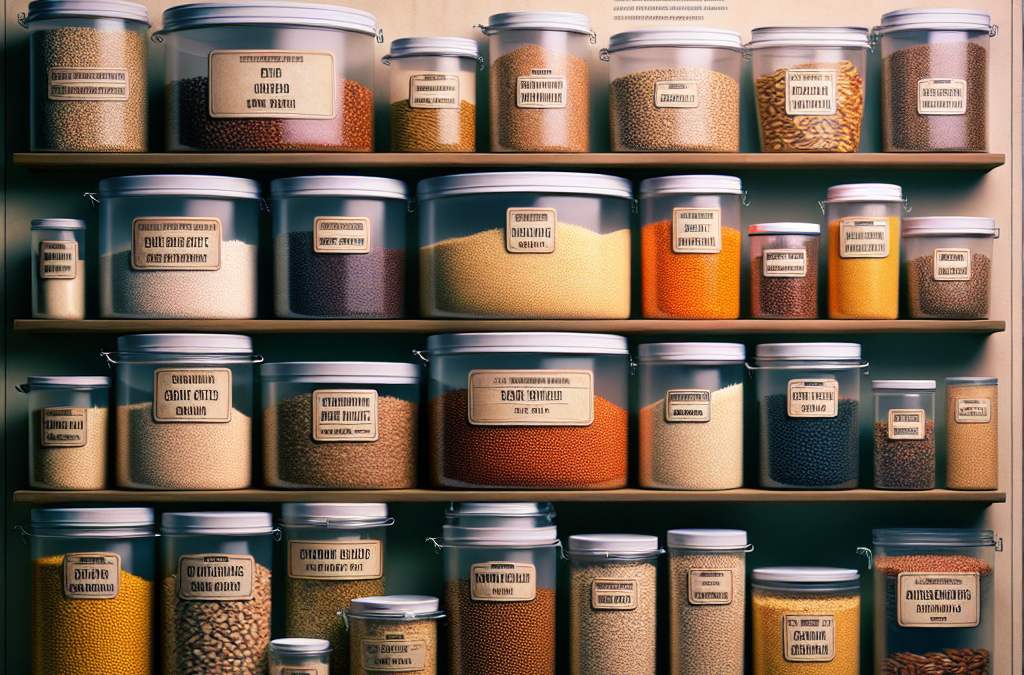
To effectively organize your pantry, begin by emptying it completely and cleaning the shelves. This allows you to assess what items you have and their condition. Categorize food items into groups such as grains, canned goods, snacks, and spices. Use clear containers for dry goods to keep them fresh and visible, making it easier to identify when supplies are running low.
One common mistake in pantry organization is overloading shelves without considering weight distribution. Heavy items should be stored on lower shelves, while lighter items can go higher. Additionally, ensure that frequently used items are easily accessible. This not only saves time but also encourages the use of fresh ingredients before they expire.
Assessing Your Pantry Space
Begin by evaluating the available space in your pantry. Measure the dimensions and consider the layout, including shelf height and depth. This assessment will guide your organization process, helping you determine what storage solutions will fit best.
Consider using vertical space effectively by installing additional shelves or using tiered organizers. This allows you to maximize the height of your pantry instead of just the width. Also, take stock of what you have and discard any expired or unneeded items. This decluttering step is essential for creating an efficient storage system.
When assessing your pantry space, prioritize functionality over aesthetics. While a beautifully organized pantry is appealing, it should primarily serve your cooking and storage needs. Ensure that the layout allows for easy access and visibility of all items.
Choosing the Right Storage Solutions
Selecting appropriate storage solutions is vital for effective organization. Clear, airtight containers are ideal for dry goods as they keep items fresh and allow you to see contents at a glance. Label these containers with the contents and expiration dates for easy identification.
In addition to containers, consider utilizing bins for grouping similar items, such as snacks or baking ingredients. This categorization not only helps in maintaining order but also makes it simpler to restock supplies when needed. Magnetic strips for spices or wall-mounted racks can also save counter space and add convenience.
Investing in stackable bins can also help maximize space, especially in smaller pantries. These bins allow you to utilize height effectively without losing accessibility, ensuring that all items are easy to reach. Choose solutions that suit your cooking habits and the types of foods you store.
Implementing a System for Food Rotation
Implementing a first-in, first-out (FIFO) system is crucial for keeping your pantry organized and reducing food waste. This means placing newer items behind older ones so that older items are used first. Labeling containers with purchase or expiration dates can help you keep track.
Regularly checking your pantry for expired items should become a routine. Schedule a monthly audit to ensure that nothing is overlooked. This practice not only keeps your pantry organized but also promotes the use of fresh ingredients in your cooking.
Be mindful of how often you replenish pantry items. When restocking, always integrate new items behind older ones to maintain the FIFO system. This simple practice can significantly reduce the chances of food spoilage.
Get Whole Wheat Flour, Grains and Milling Supplies – CLICK HERE

Maintaining Your Organized Pantry
Maintenance is key to keeping your pantry organized long-term. Set a reminder to clean and reorganize your pantry every few months. This will help you stay on top of any issues, such as spills or expired items.
Incorporate a checklist for pantry maintenance that includes checking expiration dates, cleaning shelves, and reassessing your storage solutions. This proactive approach ensures that your pantry remains functional and efficient.
Encourage family members to participate in maintaining the pantry organization. Involving everyone in the process fosters a shared responsibility for keeping the pantry neat and organized. By establishing a routine, you can ensure that your pantry remains a well-functioning space.
Further Reading
Authoritative Sources
- Food Safety Guidelines
foodsafety.govThis resource provides essential guidelines on food safety and storage practices
- Academy of Nutrition and Dietetics
eatright.orgOffers insights into food storage and nutrition best practices
- Consumer Reports on Food Storage
consumerreports.orgA comprehensive look at various food storage solutions and their effectiveness
Frequently Asked Questions
What are the best containers for storing dry goods?
Airtight, clear containers are ideal as they keep contents fresh and visible.
How often should I check my pantry for expired items?
It’s recommended to check your pantry monthly to prevent food waste.
Can I store canned goods in a warm pantry?
Store canned goods in a cool, dry place to maintain their quality.
What is the FIFO system?
The FIFO system means using older items first by placing new items behind them.
How can I maximize small pantry space?
Use stackable bins and vertical storage solutions to maximize space.
Get Whole Wheat Flour, Grains and Milling Supplies – CLICK HERE
Auto Amazon Links: No products found.