Understanding the importance of dry food bulk storage can help mitigate food waste and save money in the long run. When stored correctly, dry foods can last for months or even years, providing a reliable food source during emergencies or when food prices rise. However, improper storage can lead to pest infestations, spoilage, and loss of nutritional value, making it essential to follow best practices.
One common mistake in dry food bulk storage is using inadequate containers that allow moisture and air to compromise food quality. Always opt for sealed, moisture-proof containers made from materials like glass, plastic, or metal to ensure maximum protection. Additionally, regularly check and rotate your stock to maintain freshness and prevent the consumption of expired products.
Choosing the Right Containers for Bulk Storage
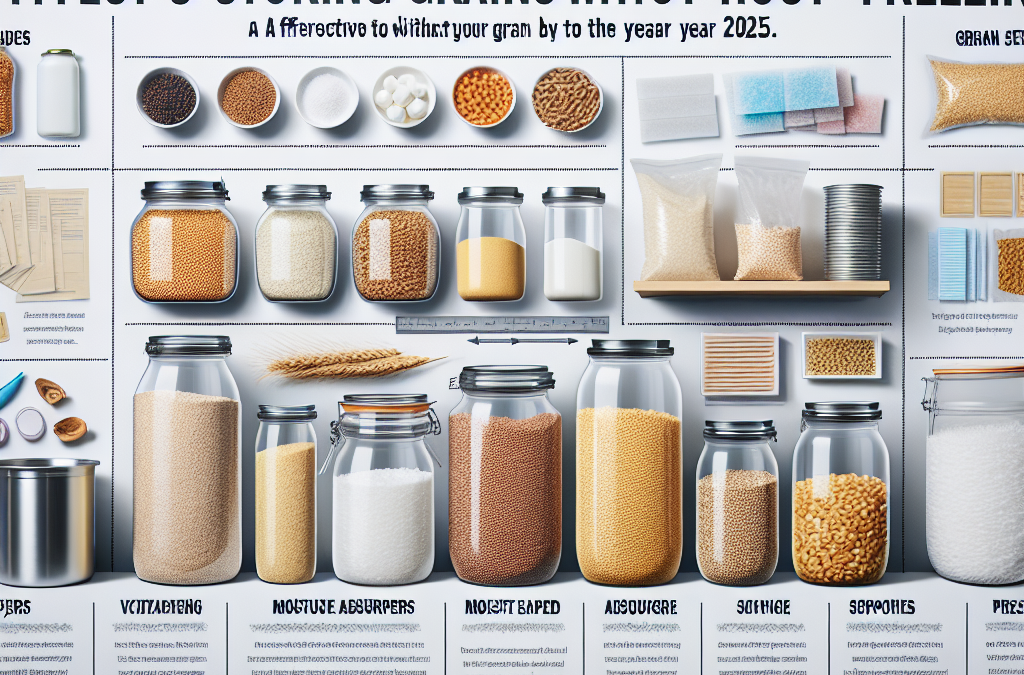
When it comes to dry food bulk storage, selecting the appropriate containers is paramount. Airtight, moisture-resistant containers made from glass, plastic, or metal are ideal for preserving food quality. Glass containers are excellent for visibility and do not absorb odors, while plastic containers are lightweight and easy to handle. Metal containers can provide additional protection against pests.
Using the right containers minimizes exposure to air and moisture, which can lead to spoilage and loss of flavor. Additionally, ensure that the containers are food-grade and BPA-free to avoid chemical leaching. Investing in high-quality containers not only preserves food but can also save money in the long term by reducing waste.
Many people underestimate the importance of container size. Choose containers that suit your storage needs; larger containers can hold bulk quantities, while smaller ones are better for frequently used items. A mix of sizes allows for flexibility in storage options, ensuring you always have enough space for your dry goods.
Optimal Conditions for Storing Dry Foods
To maximize the shelf life of dry foods, it’s essential to maintain optimal storage conditions. Store dry foods in a cool, dark place, ideally between 50°F to 70°F (10°C to 21°C). High temperatures can accelerate spoilage and reduce nutritional value, while excessive humidity can lead to mold growth and pest infestations.
Humidity control is particularly important in bulk storage. Use silica gel packets or moisture absorbers in your containers to keep humidity levels low. Additionally, avoid storing dry foods in areas prone to temperature fluctuations, such as near ovens or windows, as this can compromise food quality.
Regularly monitoring the conditions of your storage space can help identify potential issues before they escalate. Using a hygrometer to measure humidity and a thermometer to check temperature can help you maintain the ideal environment for your dry foods.
Common Mistakes to Avoid in Bulk Storage
Many individuals make critical errors when it comes to dry food bulk storage. One of the most common mistakes is failing to check for pests before storing food. Before filling containers, inspect all items for signs of infestation, such as holes or webbing, to prevent contaminating your bulk stock.
Another frequent oversight is neglecting to rotate stock. It’s essential to use the oldest items first to ensure that nothing goes to waste. Implement a first-in, first-out (FIFO) system to keep track of your inventory and maintain freshness.
Lastly, many people overlook the significance of proper labeling. Clearly label each container with the contents and the date of storage. This practice not only helps in tracking freshness but also prevents confusion when accessing your bulk food items.
Get Whole Wheat Flour, Grains and Milling Supplies – CLICK HERE

Labeling and Organizing Your Storage
Effective labeling and organization are key components of successful dry food bulk storage. Use waterproof labels to mark each container with its contents and storage date. This practice ensures that you can quickly identify items and maintain an organized inventory.
In addition to labeling, consider organizing your storage area by categorizing items. Group similar foods together, such as grains, legumes, and dried fruits, to streamline your access and make it easier to find what you need. This organization can save time and reduce the likelihood of purchasing unnecessary duplicates.
Regularly reviewing and updating your inventory can also enhance your storage efficiency. Schedule periodic checks to assess what items are running low and what needs to be used or discarded. This proactive approach will help you maintain a well-stocked pantry without waste.
Further Reading
Authoritative Sources
- USDA Food Safety and Inspection Service
fsis.usda.govThis resource offers guidelines on food storage and safety practices to ensure longevity and safety in food preservation
- USDA Agricultural Marketing Service
ams.usda.govThe AMS provides insights into best practices for storing various types of agricultural products, including dry foods
- FoodSafety.gov
foodsafety.govFoodSafety.gov is a comprehensive resource for understanding food safety, including storage recommendations
Frequently Asked Questions
What types of containers are best for dry food storage?
Airtight, moisture-resistant containers made of glass, plastic, or metal are best for preserving dry foods.
How long can dry foods be stored?
When stored properly, dry foods can last from several months to several years, depending on the type of food.
What humidity level is ideal for storing dry foods?
The ideal humidity level for storing dry foods is below 60% to prevent spoilage and pest infestations.
How can I tell if dry food has gone bad?
Signs of spoiled dry food include off smells, discoloration, mold, or the presence of pests.
Is it necessary to label food containers?
Yes, labeling containers helps track freshness and ensures you use the oldest items first.
Conclusion
Effective dry food bulk storage is essential for maximizing the shelf life and quality of your food items. By selecting the right containers, maintaining optimal conditions, and avoiding common mistakes, you can ensure that your dry foods remain safe and nutritious. Remember to organize and label your storage effectively to streamline access and prevent waste. Prioritizing these practices will enable you to make the most of your bulk food investments.
Get Whole Wheat Flour, Grains and Milling Supplies – CLICK HERE
Related Content
- Mastering Food Storage for Long Term Use: Strategies for a Resilient Pantry
- How to Prepare Grains for Long-Term Family Use Without Losing Quality
- When Storing Food, Consider These Canning Mistakes to Avoid
- 10 Effective Tips on How to Store Flour Long Term in 2025
- 10 Effective Strategies for Safely Storing Bulk Grains in 2025
Auto Amazon Links: No products found.