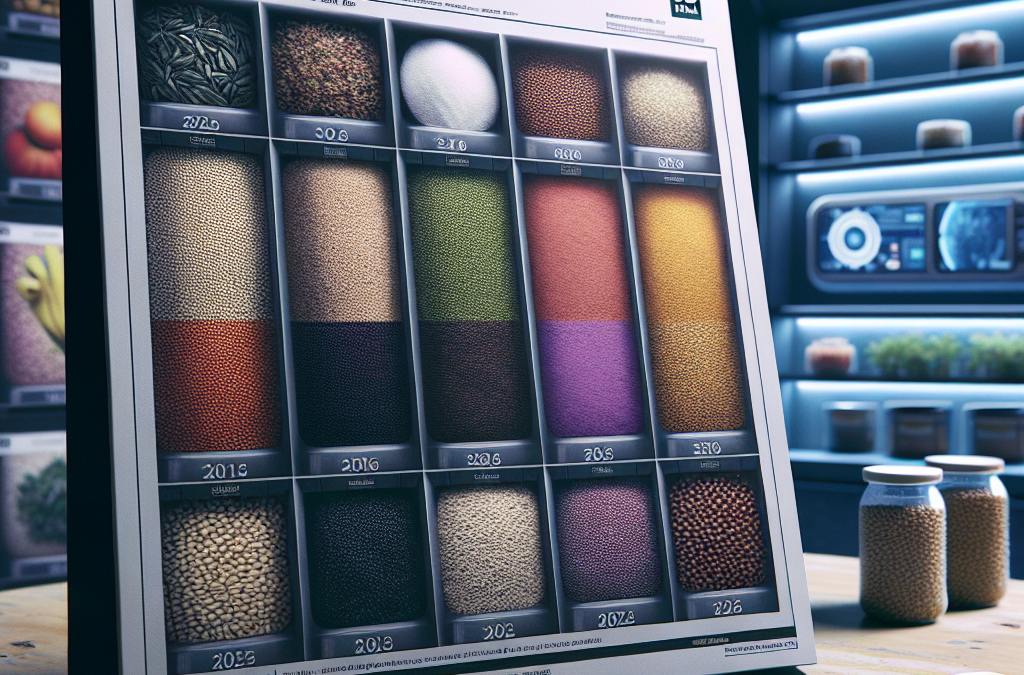
Understanding the importance of proper grain storage goes beyond just keeping food on hand; it has real implications for food security and preparedness. Many people mistakenly believe that any container will suffice for grain storage, but the reality is that improper storage can lead to waste and potential health risks. Prioritizing specific storage methods not only protects the grains but also ensures that they retain their nutritional value and flavor over time.
Common mistakes in survival grain storage include neglecting to control moisture and temperature, which can lead to mold and spoilage. Additionally, using non-airtight containers can expose grains to pests and air, accelerating degradation. It’s vital to assess your storage environment and choose the right materials to ensure your grains last as long as possible. Prioritize using food-grade buckets or Mylar bags with oxygen absorbers to maximize freshness.
Choosing the Right Containers for Grain Storage
The choice of container is a critical factor in effective survival grain storage. Airtight, food-grade containers such as plastic buckets, glass jars, or Mylar bags are ideal for protecting grains from moisture and pests. Ensure that any container used is specifically designed for food storage to prevent chemical leaching, which can compromise grain safety.
When selecting containers, consider the volume of grains being stored and the available space. For larger quantities, food-grade buckets with gamma lids are convenient as they allow easy access while sealing in freshness. Glass jars are excellent for smaller amounts and provide visibility for contents, but they can be more fragile. Always label containers with the type of grain and the date of storage for easy tracking.
It is essential to avoid using cardboard boxes or non-food-grade plastics, as these materials can introduce contaminants and allow pests to infiltrate. Prioritize containers that have been tested for food safety and can withstand long-term storage conditions.
Controlling Moisture and Temperature
Moisture control is one of the most important aspects of survival grain storage. Grains should be stored in a cool, dry place to prevent mold and spoilage. Ideally, the storage environment should maintain a temperature below 70°F (21°C) with humidity levels below 15%. Using a dehumidifier or desiccants can help maintain these conditions if you live in a humid climate.
Regularly checking the temperature and humidity of your storage area is crucial. Grains stored in high-humidity environments can absorb moisture, leading to spoilage. It’s advisable to use a hygrometer to monitor humidity levels and adjust your storage practices accordingly. If moisture levels are too high, consider moving your grains to a more suitable location or using additional moisture-absorbing materials.
In addition to moisture, extreme temperature fluctuations can also affect grain quality. Storing grains in a stable environment away from direct sunlight, heaters, or air conditioning vents will help maintain their integrity. Always prioritize stable conditions to ensure long-term preservation.
Vacuum Sealing Techniques for Grains
Vacuum sealing is an effective method for extending the shelf life of grains by removing air, which can lead to oxidation and spoilage. Using a vacuum sealer, you can pack grains in airtight bags that significantly reduce the risk of pest infestation and moisture exposure. This technique is especially beneficial for smaller quantities of grains.
When vacuum sealing, ensure that the bags are clean and dry before sealing. Consider adding oxygen absorbers to the bags for added protection against oxidation. Once sealed, store the bags in a cool, dark place to further enhance longevity. Vacuum-sealed grains can last several years, depending on the type and storage conditions.
Be aware that vacuum-sealed bags can be punctured or damaged, so handle them carefully. It’s also important to label each bag with the contents and storage date. This practice helps you track inventory and ensures that older grains are used first.
Get Whole Wheat Flour, Grains and Milling Supplies – CLICK HERE

Common Mistakes in Grain Storage
Many individuals make critical errors in survival grain storage that can lead to spoilage and waste. One common mistake is failing to check for pests before storing grains. Always inspect grains for signs of insects or damage before storage, as infested grains can compromise an entire batch.
Another mistake is not rotating stock. Implementing a first-in, first-out (FIFO) system ensures that older grains are used before newer ones, preventing waste. Additionally, some may underestimate the importance of proper sealing; grains stored in non-airtight containers are likely to spoil much faster. Ensure that all storage methods prioritize airtightness and pest prevention.
Lastly, be cautious of overestimating the shelf life of grains. While some grains can last for years, others may have shorter shelf lives. Always research specific grains and their requirements to ensure proper storage practices are followed.
Further Reading
Authoritative Sources
- FDA on Food Safety
fda.govThis source provides guidelines on safe food storage practices, including grains
- USDA Food Safety Resources
ams.usda.govOffers comprehensive information on food preservation methods and safety standards
Frequently Asked Questions
How long can grains be stored safely?
Grains can last from several months to several years, depending on the type and storage conditions. Properly stored whole grains can last up to 10 years or more.
What is the best way to store grains?
The best way to store grains is in airtight containers in a cool, dry place. Using food-grade buckets or vacuum-sealed bags is highly effective.
Can I store grains in plastic containers?
Yes, but ensure they are food-grade and airtight. Non-food-grade plastics can leach harmful chemicals.
What should I do if I find pests in my stored grains?
If you find pests, discard the infested grains immediately and clean the storage area thoroughly before restocking.
How can I tell if my grains are still good?
Check for any signs of spoilage, such as unusual odors, discoloration, or insect activity. If in doubt, it’s safer to discard them.
Conclusion
In closing, effective survival grain storage is essential for maintaining a reliable food supply. Prioritize using the right containers, controlling moisture and temperature, and employing vacuum sealing techniques to extend grain shelf life. Avoid common pitfalls such as neglecting pest inspections and improper sealing. By following these best practices, you can ensure that your grains remain fresh and nutritious for years to come, ready for any situation that may arise.
Get Whole Wheat Flour, Grains and Milling Supplies – CLICK HERE
Related Content
- Long Term Storage for Wheat: Best Practices and Common Mistakes
- Food Storage – Which Method Is Best?
- What’s the Best Way to Grind Whole Wheat Flour?
- How to Create a Backup Plan for Grain Storage: Essential Steps to Ensure Quality and Safety
- Food Storage and Emergency Readiness: Essential Foods, Techniques, and Planning Steps
Auto Amazon Links: No products found.