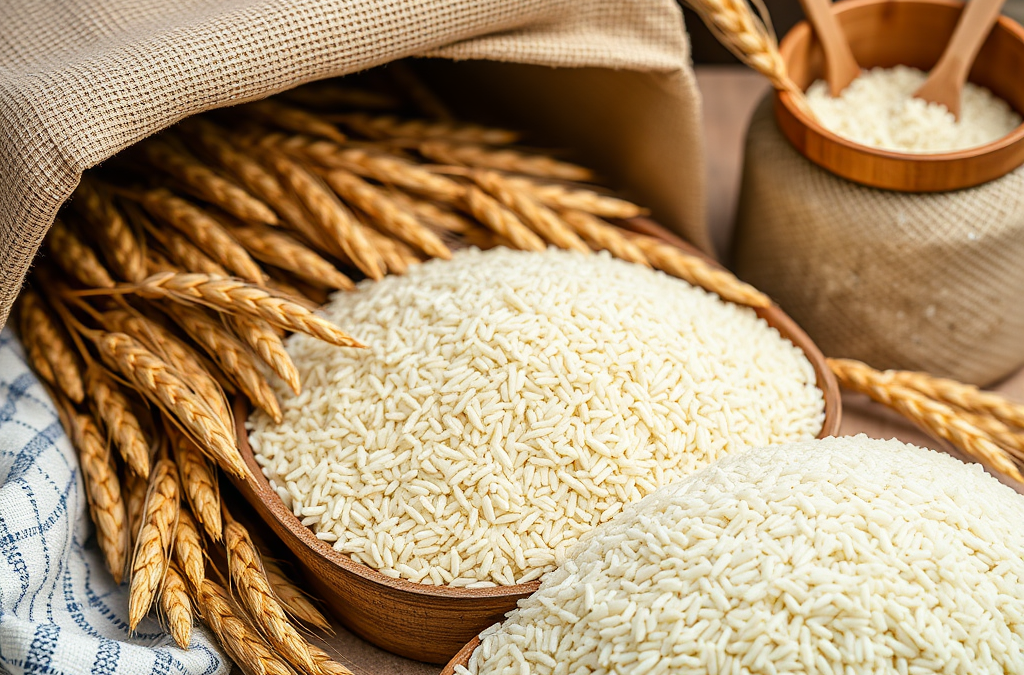
Wheat and rice storage methods are vital for preserving the quality and extending the shelf life of these grains. To effectively store these staples, use airtight containers to prevent moisture and pest intrusion, and maintain a cool, dark environment to inhibit spoilage. Regularly inspect your stored grains for any signs of deterioration, as neglecting this can lead to contamination and loss of quality. Additionally, be aware that whole grains like wheat kernels tend to last longer than processed forms like flour, which can go rancid more quickly. Proper attention to these details will help ensure that your wheat and rice remain fresh and nutritious over time.
Understanding Wheat and Rice Storage
Wheat and rice storage methods are essential for preserving the quality and extending the shelf life of these grains. Proper storage not only prevents spoilage but also protects against pests and environmental factors that can degrade their quality. To achieve this, it is crucial to first understand the characteristics of the grains being stored. Both wheat and rice have different moisture content levels and storage requirements, which can significantly affect their longevity.
Wheat, for instance, can be stored as whole grains or flour, each requiring specific conditions. Whole wheat kernels are more resilient and can last longer than flour, which is more susceptible to rancidity due to its fat content. Rice, particularly white rice, has an extended shelf life when stored properly, while brown rice, containing more oils, requires more attention to prevent spoilage. Recognizing these differences is the first step in effective grain storage.
Common Mistakes in Grain Storage
One of the most frequent errors in wheat and rice storage is inadequate sealing of containers. Airtight containers are essential to prevent moisture and pests from entering. Many people use plastic bags or unsealed containers, which can lead to contamination and spoilage. Another common mistake is storing grains in warm or humid environments. High temperatures and humidity accelerate spoilage and can lead to the growth of mold or insects.
Additionally, failing to regularly check stored grains for signs of pests or spoilage can result in larger issues over time. It’s important to inspect grains periodically, looking for discoloration, unusual odors, or evidence of insect activity. Taking proactive steps can save time and resources in the long run.
Optimal Storage Conditions
The ideal storage conditions for wheat and rice involve maintaining a cool, dry, and dark environment. The recommended temperature for storing grains is between 50°F (10°C) and 70°F (21°C). Keeping the storage area dark helps to prevent degradation from light exposure, which can affect the quality of the grains.
Humidity is another critical factor; the ideal relative humidity for grain storage is below 15%. Using desiccants or moisture absorbers can help maintain low humidity levels, especially in climates prone to moisture. Additionally, proper ventilation can help prevent heat build-up and moisture accumulation in storage areas. Ensuring that grains are stored in a stable environment will maximize their shelf life and quality.
Long-Term Storage Solutions
For those looking to store wheat and rice for extended periods, several methods can be employed. Vacuum sealing is one effective technique that removes air from the packaging, significantly reducing the chances of spoilage. Another method is freezing grains, which can kill any existing pests and extend shelf life dramatically. However, it’s essential to ensure that grains are thoroughly dried before freezing to prevent moisture buildup.
Using food-grade buckets with airtight lids is also a popular choice for long-term storage. These buckets can hold large quantities of grains while protecting them from environmental factors. Including oxygen absorbers in these containers can further enhance their longevity by reducing oxidation. Ultimately, choosing the right long-term storage method depends on the available resources and individual needs.
Get Whole Wheat Flour, Grains and Milling Supplies – CLICK HERE

Frequently Asked Questions
What is the best way to store wheat and rice?
The best way to store wheat and rice is in airtight containers placed in a cool, dry, and dark environment to prevent moisture, pests, and spoilage.
How long can wheat and rice be stored?
When stored properly, white rice can last up to 30 years, while whole wheat can last around 6-12 months; however, whole wheat flour has a shorter shelf life due to its fat content.
Can I freeze wheat and rice for storage?
Yes, freezing wheat and rice is effective for long-term storage, but ensure they are dry before freezing to prevent moisture buildup.
What containers are best for storing grains?
Airtight food-grade plastic or glass containers are best for storing grains, as they prevent moisture and pest intrusion.
How often should I check my stored grains?
It is recommended to check stored grains every few months for signs of spoilage or pest activity to ensure they remain safe and high quality.
Conclusion
Maintaining the quality of wheat and rice through proper storage methods is crucial for ensuring their longevity and safety. By understanding the specific needs of these grains and avoiding common storage mistakes, you can effectively protect your food supply. Regular inspections, optimal storage conditions, and utilizing long-term storage solutions will help preserve the nutritional value and taste of these staples. Implementing these practices will not only save money but also contribute to better food security in your household.
Get Whole Wheat Flour, Grains and Milling Supplies – CLICK HERE
Auto Amazon Links: No products found.
Further Reading
Authoritative Sources
- Preparing an Emergency Food Supply, Long Term Food Storage
fcs.uga.eduCover the wheat with the lid, but not tightly, for five or six hours before tightening the lid to be air tight. Other grains to consider storing include rye, ...
- How Long Does Grain Last? Guide to Storage & Shelf Life
agri-systems.comWheat should be dried to a safe moisture level before storage and kept in sealed bins or silos. When temperature and moisture are controlled, ...
- What's the best way to store rice long-term?
cooking.stackexchange.comI have purchased a rather large bag of long-grain white rice (25 lbs.) and need to know the best way for storing it long-term. This rice will be used as ...
- Grain 101: Grain Types and Optimal Storage From Chief Agri
agri.chiefind.comWheat Storage Store at moisture levels of 14% or lower for periods of less than six months, and 13.5% or lower for long-term storage (over nine ...