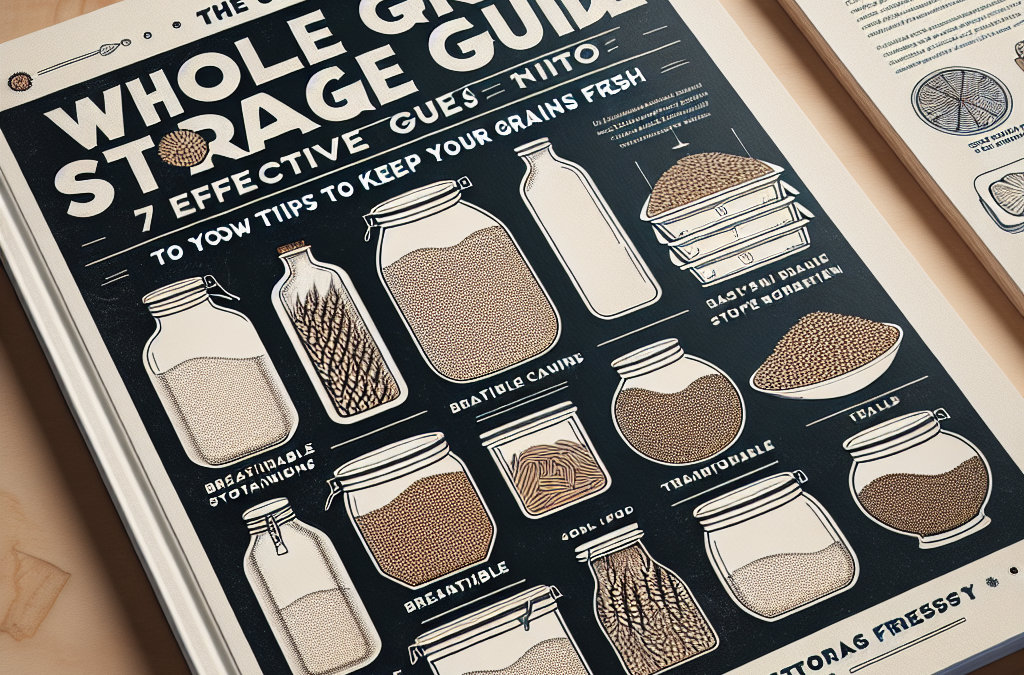
A food storage setup with grains requires careful selection of containers and control of environmental factors to ensure longevity and quality. Use airtight bins or Mylar bags to protect grains from moisture and pests, and store them in a cool, dry location, ideally below 70°F (21°C). Regularly monitor humidity levels, keeping them below 15% to prevent mold and insect issues. A common mistake is storing grains in warm areas, such as kitchens, where heat can accelerate spoilage. Label containers with grain types and storage dates to track freshness effectively.
Choosing the Right Containers
To establish a reliable food storage setup with grains, selecting the appropriate containers is critical. Airtight bins made from food-grade plastic or glass are ideal, as they prevent exposure to air and moisture, which can lead to spoilage. Mylar bags, especially when used with oxygen absorbers, are another excellent option for long-term storage, as they effectively block light and air, extending shelf life significantly.
When choosing containers, consider the volume of grains you intend to store. It’s essential to avoid overfilling, as this can lead to air pockets that may encourage spoilage. Label each container with the type of grain and the date of storage to keep track of freshness. A common mistake is using non-food-safe materials, which can leach chemicals into the grains, compromising their safety.
Moisture and Temperature Control
Moisture is a significant factor affecting grain storage. Grains should ideally be stored at a humidity level below 15% to prevent mold growth and insect infestations. Using a dehumidifier in your storage area can help maintain optimal conditions. Additionally, temperature control is crucial; grains should be stored in a cool environment, ideally below 70°F (21°C). Higher temperatures can accelerate spoilage and reduce nutritional quality.
A common misconception is that storing grains in a warm kitchen is acceptable. In reality, heat from cooking appliances can increase the temperature in storage containers, leading to faster deterioration. Instead, consider a basement or a dedicated pantry that remains consistently cool. Regularly checking the moisture content and temperature can help ensure that your grains remain in good condition over time.
Best Practices for Grain Rotation
Implementing a grain rotation system is essential for maintaining freshness in your food storage setup with grains. The “first in, first out” (FIFO) method is highly effective; this means using the oldest grains first to ensure they do not go stale. When adding new grains to your storage, place them behind the older ones to encourage the use of older stock.
Another important aspect of grain rotation is monitoring the condition of your stored grains regularly. Look for signs of spoilage, such as unusual odors or discoloration, which can indicate that grains have gone bad. Make it a habit to inspect your storage containers every few months. This proactive approach helps prevent waste and ensures that you always have high-quality grains on hand for your culinary needs.
Frequently Asked Questions
What types of grains are best for long-term storage?
Whole grains such as wheat, rice, and oats are excellent for long-term storage due to their low moisture content and nutritional value.
How long can grains be stored?
When stored properly in airtight containers, grains can last anywhere from 5 to 30 years, depending on the type.
Is it necessary to use oxygen absorbers?
Oxygen absorbers are not mandatory but highly recommended for long-term storage as they help prevent oxidation and spoilage.
What are the signs that grains have spoiled?
Signs of spoiled grains include an off smell, discoloration, and the presence of insects or mold.
Can grains be stored in the freezer?
Yes, freezing can be an effective method for storing grains, especially to kill any potential pests before long-term storage.
Conclusion
Creating an effective food storage setup with grains involves careful selection of containers, moisture and temperature management, and diligent grain rotation practices. By following these guidelines, you can ensure that your grains remain fresh and nutritious for an extended period. Regular monitoring and proactive management will help you avoid common pitfalls, ensuring that you always have high-quality grains available for your cooking and baking needs.
Get Whole Wheat Flour, Grains and Milling Supplies – CLICK HERE

Related Content
- The Ultimate Guide to 10 Effective bulk grain storage options in 2025
- Crafting Custom Grain Storage Labels for Organization
- 10 Effective Home Storage for Rice and Grains Strategies to Keep Them Fresh in 2025
- Setting Up Emergency Food Storage: Essential Steps for Long-Term Preparedness
- Food Supply Prepping With Grains: Essential Steps for Sustainable Storage and Usage
Auto Amazon Links: No products found.