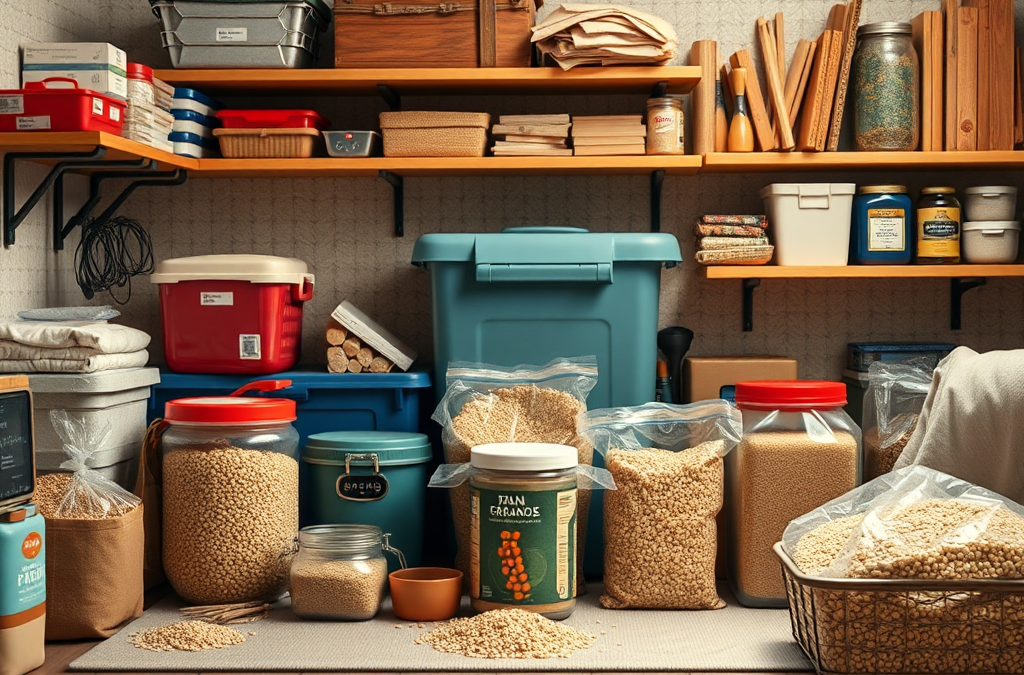
An effective emergency supply room setup is essential for ensuring preparedness during unexpected crises. Start by designating a specific area where you can store vital supplies like non-perishable food, water, medical kits, and essential tools. It's important to include at least one gallon of water per person per day for a minimum of three days, along with a comprehensive first-aid kit. Regularly check and update your supplies to avoid expiration and ensure everything is in working order. Organizing these items for quick access can significantly enhance your safety and efficiency during emergencies.
Understanding the Importance of an Emergency Supply Room
Having an emergency supply room is vital for ensuring safety and preparedness during unexpected situations. This designated space allows individuals and families to store essential items, providing peace of mind in times of crisis. The room should be easily accessible and organized, allowing for quick retrieval of supplies.
In emergencies such as natural disasters, power outages, or medical emergencies, the ability to access necessary items swiftly can make a significant difference. A well-stocked emergency supply room can support not only the immediate needs of those in the home but also provide for basic survival until help arrives or normalcy is restored.
Key Supplies for Your Emergency Supply Room
When setting up your emergency supply room, it is crucial to stock a variety of essential items. These supplies can be divided into several categories, including food, water, medical supplies, and tools.
Non-perishable food items like canned goods, dried fruits, and grains are essential as they have a long shelf life and can sustain individuals during emergencies. Additionally, ensure you have at least one gallon of water per person per day for at least three days, as hydration is critical.
First-aid kits should also be included, containing bandages, antiseptics, medications, and other health-related items. Furthermore, consider adding batteries, flashlights, a multi-tool, and a portable phone charger to help with communication and navigation in case of power failures.
Steps to Set Up Your Emergency Supply Room
To effectively set up your emergency supply room, begin by selecting an appropriate location. Choose a cool, dry, and easily accessible area in your home. Once the location is determined, you can start organizing supplies into categories, making it easier to locate items quickly.
Next, invest in durable storage containers or shelves to keep supplies organized and protected from environmental factors. Label each container clearly, indicating its contents and expiration dates for easy reference. Regularly review and update your supplies to replace expired items and ensure everything is ready for use.
Common Mistakes to Avoid
One common mistake when setting up an emergency supply room is neglecting to regularly check and update supplies. Over time, items may expire or become unusable, reducing their effectiveness during an emergency. Make it a habit to conduct periodic inventory checks.
Another mistake is failing to consider the specific needs of all household members, including pets. Ensure that supplies cater to dietary restrictions, medical needs, and other individual requirements. Lastly, avoid overstocking on a single type of supply; a balanced approach is key to preparedness.
Get Whole Wheat Flour, Grains and Milling Supplies – CLICK HERE

Frequently Asked Questions
What should I include in my emergency supply room?
Your emergency supply room should include non-perishable food, water, first-aid supplies, flashlights, batteries, and essential tools.
How often should I check my emergency supplies?
It's recommended to check your emergency supplies at least every six months to ensure items are not expired and are still usable.
How much water should I store in my emergency supply room?
Store at least one gallon of water per person per day for at least three days to ensure adequate hydration during emergencies.
Can I use my emergency supply room for regular storage?
It's best to keep your emergency supply room dedicated to critical supplies to ensure quick access during emergencies.
What are common mistakes when setting up an emergency supply room?
Common mistakes include neglecting to check supplies regularly, failing to consider individual needs, and overstocking on one type of item.
Conclusion
Establishing an emergency supply room is a proactive step toward ensuring safety and preparedness in the face of unforeseen events. By carefully selecting essential supplies, organizing them effectively, and regularly updating your inventory, you can create a reliable resource for your household. Prioritize diverse supplies and be mindful of individual needs to maximize your readiness for any emergency situation.
Get Whole Wheat Flour, Grains and Milling Supplies – CLICK HERE
Auto Amazon Links: No products found.