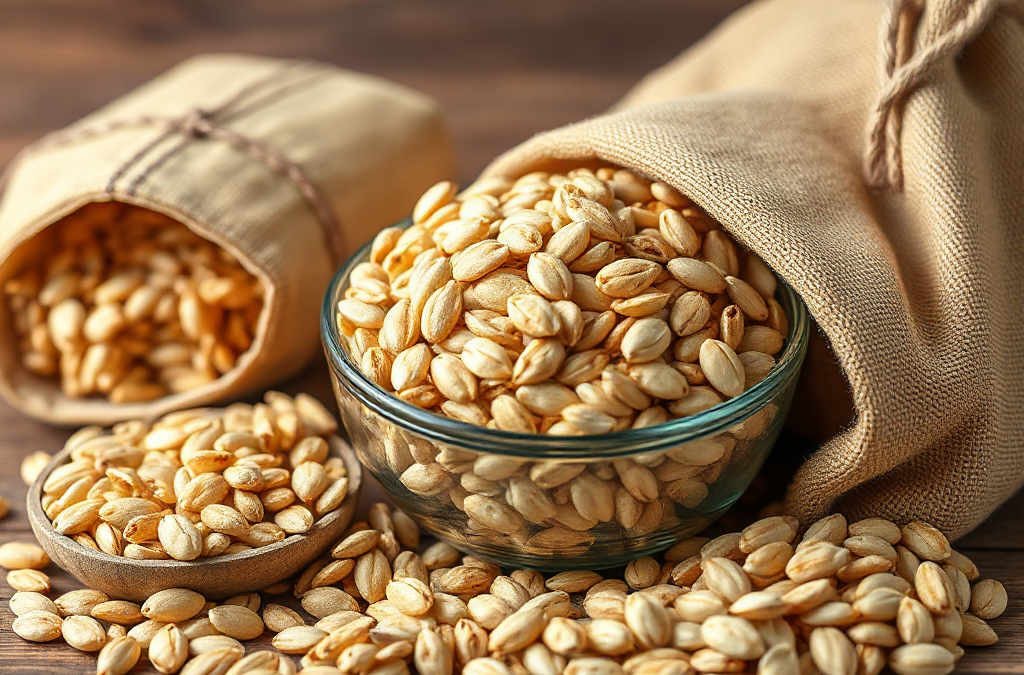
Grains are essential for home preparedness, providing vital nutrients and long shelf lives that support food security during emergencies. Key grains such as rice, wheat, oats, and quinoa should be stored in airtight containers to prevent moisture and pest damage. It's important to maintain a cool, dry environment for storage, as this significantly extends their usability. Additionally, incorporating a variety of grains can enhance meal diversity and nutritional balance, making it easier to sustain a healthy diet when fresh foods are scarce. Prioritizing proper storage techniques will ensure a reliable food supply in challenging times.
Understanding the Importance of Grains
Grains are a cornerstone of food preparedness due to their high nutritional value and long shelf life. They serve as a primary source of carbohydrates, proteins, and essential vitamins, making them an integral part of a balanced diet during emergencies. The ability to store grains effectively can mean the difference between sustenance and scarcity in challenging times.
Understanding the benefits of grains helps prioritize their inclusion in any preparedness plan. They can be easily incorporated into a variety of meals, maintaining dietary diversity even when fresh produce is unavailable. Furthermore, grains are lightweight and compact, allowing for efficient storage and transport.
Types of Grains for Preparedness
When considering grains for home preparedness, several types stand out for their nutritional profiles and versatility. Common choices include rice, wheat, oats, and quinoa. Each grain offers unique benefits: for instance, rice is a staple in many cultures, while quinoa provides a complete protein source.
Selecting a variety of grains can enhance meal options and nutritional balance. For example, incorporating whole grains like brown rice and whole wheat flour can increase fiber intake, which is beneficial for digestive health. It’s also wise to consider gluten-free options, such as rice and corn, for those with dietary restrictions.
Storage Techniques for Longevity
Proper storage techniques are crucial for prolonging the shelf life of grains. Airtight containers are recommended to protect grains from moisture, pests, and air exposure. Glass jars, food-grade buckets, and vacuum-sealed bags are excellent choices for storage.
Temperature and humidity control are also vital; grains should be stored in a cool, dry place, ideally below 70°F (21°C). Regularly checking the storage environment can help prevent spoilage and maintain grain quality over time. Additionally, rotating supplies ensures older grains are used first, minimizing waste.
Common Mistakes in Grain Storage
Many individuals make common mistakes when storing grains, which can lead to spoilage and waste. One frequent error is inadequate sealing of containers, allowing moisture and pests to compromise the grains. It’s essential to ensure that all containers are tightly sealed after each use.
Another mistake is neglecting to check the storage environment. High humidity or fluctuating temperatures can lead to mold growth or insect infestations. Setting up a consistent monitoring system for storage conditions can help identify and mitigate these issues proactively.
Get Whole Wheat Flour, Grains and Milling Supplies – CLICK HERE

Frequently Asked Questions
What are the best grains for home preparedness?
The best grains include rice, wheat, oats, and quinoa due to their nutritional value and long shelf life.
How should grains be stored for maximum shelf life?
Grains should be stored in airtight containers in a cool, dry place to prevent moisture and pest damage.
Can I store grains in plastic containers?
Yes, but ensure they are food-grade and airtight to protect against moisture and pests.
What common mistakes should I avoid when storing grains?
Common mistakes include inadequate sealing of containers and neglecting to monitor storage conditions.
How long can grains be stored?
Depending on the type, grains can be stored for several years if kept in optimal conditions.
Conclusion
Prioritizing grains in your home preparedness plan is essential for ensuring food security during emergencies. By understanding the types of grains available, employing effective storage techniques, and avoiding common pitfalls, you can maintain a reliable food supply. Take the next steps by assessing your current grain stock and implementing best practices to enhance your preparedness strategy.
Get Whole Wheat Flour, Grains and Milling Supplies – CLICK HERE
Auto Amazon Links: No products found.