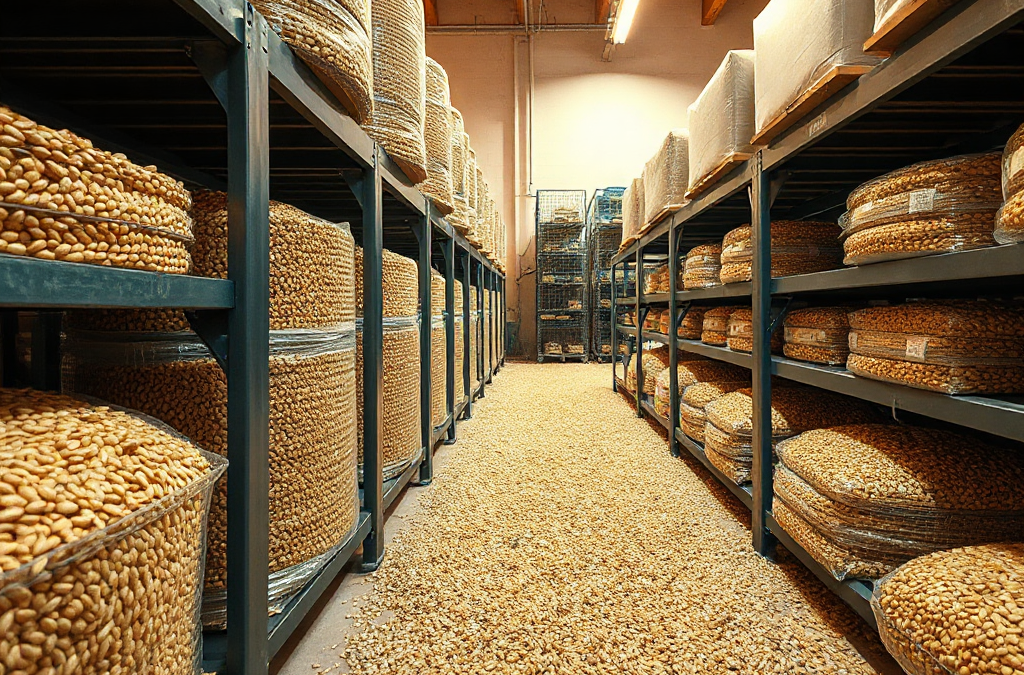
To effectively prevent pest infestations in grain storage, it is essential to maintain rigorous hygiene standards and monitor environmental conditions. Regular cleaning of storage areas removes potential food sources for pests, while inspecting incoming grains helps prevent the introduction of infested materials. Additionally, sealing entry points and using traps or insecticides can significantly reduce pest populations. Implementing these strategies not only protects stored grains from contamination but also ensures their quality and safety for consumption.
Understanding Common Grain Pests
Identifying the types of pests that can infest grain storage is essential for effective prevention. Common pests include weevils, moths, and rodents, each presenting unique challenges. Weevils, such as the rice weevil and the granary weevil, can reproduce rapidly in stored grains, leading to significant losses. Moths, particularly the Indian meal moth, can contaminate grains with larvae and webbing. Rodents not only consume grains but also contaminate them with droppings and urine. By understanding these pests, grain handlers can develop targeted strategies for prevention and control.
For example, the life cycle of the rice weevil involves laying eggs in whole grains, where larvae develop. This cycle can lead to rapid population growth if not addressed. Recognizing the signs of infestation, such as holes in packaging or visible insects, is vital for early intervention.
Hygiene Practices to Prevent Infestations
Implementing strict hygiene practices is a foundational step in preventing pest infestations in grain storage. This includes regularly cleaning storage facilities to remove food residues and debris that attract pests. Thoroughly inspecting incoming grain for signs of infestation is also crucial. This practice prevents contaminated grain from entering storage areas, reducing the risk of widespread infestations.
Moreover, maintaining organized storage areas can limit pest access and reduce hiding spots. Keeping grain bags off the floor and away from walls minimizes the likelihood of pest entry and movement. Additionally, using sealed containers can further protect grains from pests and moisture.
Environmental Control Measures
Environmental conditions play a significant role in pest management. Maintaining optimal humidity and temperature levels in grain storage areas deters pest activity. For instance, pests thrive in warm, humid environments, making it essential to keep storage areas cool and dry. Regularly monitoring these conditions can help identify potential problems before they escalate.
For example, using dehumidifiers or ventilation systems can effectively lower humidity levels. Additionally, ensuring proper airflow within storage facilities can prevent moisture buildup. This proactive approach not only protects grain quality but also reduces the likelihood of pest infestations.
Pest Control Techniques
When prevention measures fail, effective pest control techniques must be employed. Traps can be used to monitor pest populations and provide early warning signs of infestations. Sticky traps, for example, can capture moths and other flying insects, allowing for quick identification of pest presence.
Insecticides can also be utilized, but they must be applied cautiously to avoid contaminating the grain. Organic options, such as diatomaceous earth, can provide an effective alternative to chemical treatments. Understanding when and how to apply these treatments is critical for successful pest management.
Frequently Asked Questions
What are the most common pests in grain storage?
The most common pests include weevils, moths, and rodents, each posing unique risks to stored grains.
How can I identify a pest infestation in stored grains?
Signs include visible insects, holes in packaging, and grain contamination with webbing or droppings.
What cleaning practices help prevent pest infestations?
Regularly cleaning storage areas, inspecting incoming grain, and maintaining organized spaces are key practices.
How do environmental conditions affect pest infestations?
Pests thrive in warm, humid environments, so maintaining cool, dry conditions is crucial for prevention.
What pest control methods are most effective?
Effective methods include using traps for monitoring, applying insecticides carefully, and considering organic options.
Conclusion
Preventing pest infestations in grain storage is a multifaceted approach that requires consistent hygiene practices, environmental control, and effective pest management techniques. By understanding common pests, maintaining clean storage areas, and monitoring environmental conditions, grain handlers can significantly reduce the risk of infestations. Implementing these strategies not only protects grain quality but also ensures safe storage for future use.
Get Whole Wheat Flour, Grains and Milling Supplies – CLICK HERE

Auto Amazon Links: No products found.