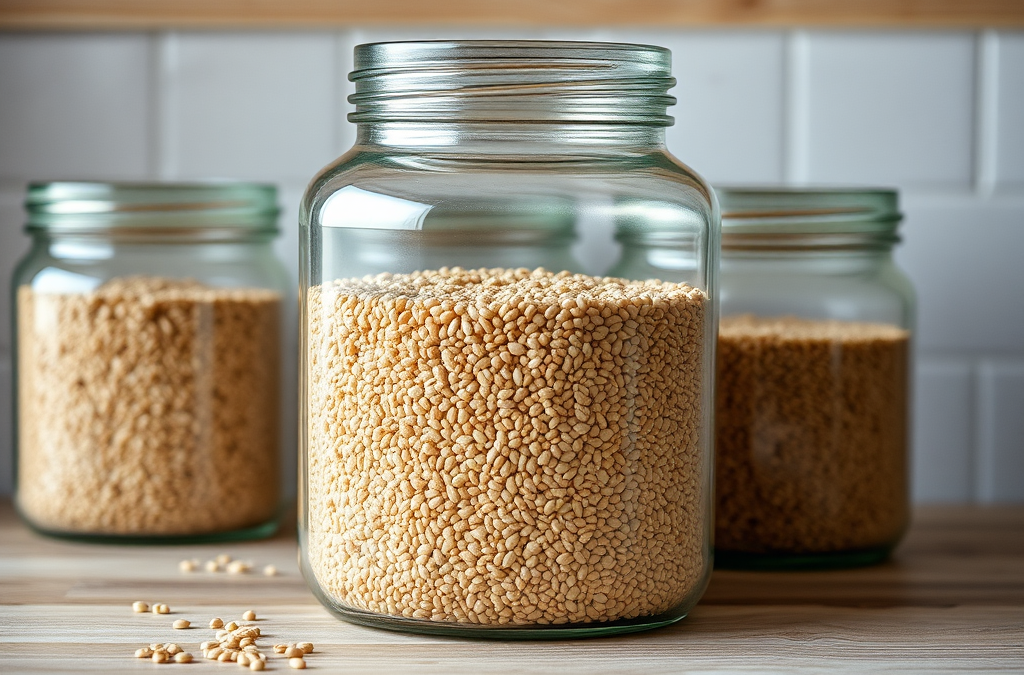
To effectively seal grain containers, use airtight materials and proper sealing techniques to prevent moisture and pest intrusion. High-quality seals, such as silicone or rubber gaskets, are vital for maintaining an airtight environment. Regular inspections of seals for wear and timely replacements are essential to safeguard grains from spoilage. Additionally, selecting appropriate containers, like metal for durability or plastic for moisture resistance, can enhance the sealing process and prolong grain preservation.
Understanding Grain Container Sealing
Sealing grain containers effectively is crucial for preserving the quality and longevity of stored grains. An airtight seal prevents moisture ingress, which can lead to spoilage and mold growth. Additionally, a secure seal protects against pests and contaminants that can compromise grain integrity. Understanding the mechanics of how seals work and the factors influencing their effectiveness is essential for anyone involved in grain storage.
When grains are exposed to air, they can absorb moisture, which can lead to spoilage. Additionally, pests such as insects may infiltrate improperly sealed containers, leading to significant losses. Thus, understanding the materials and methods used for sealing containers is paramount for effective grain preservation.
Choosing the Right Containers
Selecting the right type of container is a foundational step in sealing grains effectively. Various materials are available, including metal, plastic, and glass, each with unique properties that affect sealing efficacy. Metal containers, for instance, provide robust protection against pests and moisture, but they can corrode if not maintained properly. Plastic containers are lightweight and resistant to moisture but may not provide the same level of durability.
Glass containers offer visibility and are airtight, but they are fragile and can break easily. When choosing containers, consider factors such as storage location, the volume of grain, and the potential for temperature fluctuations. A thorough evaluation of these factors will help in selecting containers that best suit your grain storage needs.
Sealing Techniques and Materials
Once the right containers are chosen, the next step involves employing effective sealing techniques. Using high-quality sealing materials, such as silicone or rubber gaskets, is critical for ensuring airtight closures. These materials should be compatible with the container type and capable of withstanding temperature changes without degrading.
To seal the containers effectively, follow these steps:
- Clean the rim of the container to ensure proper adhesion of the sealing material.
- Apply the gasket or sealing tape evenly around the rim, ensuring full coverage.
- Press the lid firmly onto the container, ensuring that the seal is tight.
- Inspect the seal for any gaps or weaknesses that could allow moisture or pests to enter.
Regular maintenance is vital; inspect seals periodically for signs of wear or degradation, and replace them as necessary to maintain an airtight environment.
Maintaining Optimal Conditions
After sealing grain containers, maintaining optimal storage conditions is essential for preserving grain quality. This includes controlling temperature and humidity levels within the storage area. Ideally, grains should be stored in a cool, dry place, away from direct sunlight, which can heat the containers and encourage moisture buildup.
Monitoring humidity levels is particularly important, as high humidity can lead to condensation inside containers, negating the effectiveness of your seals. Using a hygrometer can help track humidity levels, and dehumidifiers may be necessary in high-humidity environments. Additionally, regularly checking the integrity of the seals and the condition of the grains will help identify potential issues before they escalate.
Get Whole Wheat Flour, Grains and Milling Supplies – CLICK HERE

Frequently Asked Questions
What is the best material for sealing grain containers?
Silicone and rubber gaskets are the best materials for sealing grain containers as they provide an airtight seal and are resistant to temperature changes.
How often should I inspect grain container seals?
Inspect grain container seals at least once every few months to ensure they remain intact and effective against moisture and pests.
Can I reuse grain containers?
Yes, you can reuse grain containers, but ensure they are thoroughly cleaned and inspected for damage before resealing and repurposing.
What are the signs of moisture damage in grain containers?
Signs of moisture damage include clumping, mold growth, and a musty smell, indicating that the seal may have failed.
Is it necessary to use a dehumidifier for grain storage?
Using a dehumidifier is recommended in high-humidity environments to prevent moisture buildup inside grain containers.
Conclusion
Effectively sealing grain containers is vital for maintaining the quality and longevity of stored grains. By choosing the right containers, utilizing high-quality sealing materials, and maintaining optimal storage conditions, you can prevent spoilage and pest infiltration. Regular inspections and maintenance of seals will ensure that your grain remains safe and fresh for an extended period. Prioritize these steps to achieve successful grain storage.
Get Whole Wheat Flour, Grains and Milling Supplies – CLICK HERE
Related Content
- Food Storage Method: #4 CO2 & Nitrogen Flush
- From containers to methods; many choices.
- How to Use Grain Storage Charts for Better Management
- Dry Grain Food Supply: Essential Foods for Long-Term Nutritional Security
- How to Maintain a Clean Grain Storage Area: Essential Steps for Optimal Hygiene and Preservation
Auto Amazon Links: No products found.