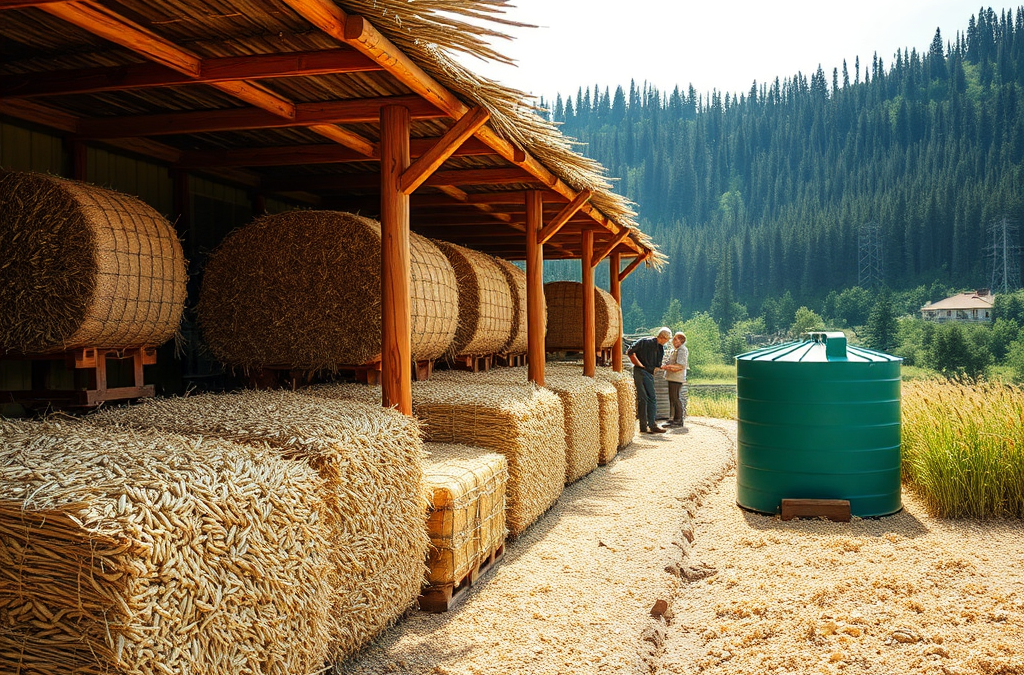
The impact of local climate on grain storage methods significantly affects the preservation of grain quality and safety. Variations in temperature, humidity, and seasonal changes can lead to issues such as spoilage, pest infestation, and mold growth. To mitigate these risks, effective techniques include controlling temperature through ventilation, using moisture barriers, and selecting appropriate storage materials. Understanding these climate influences allows for better grain management strategies tailored to specific environmental conditions.
Understanding Local Climate Variations
Local climate variations are crucial in determining the best grain storage methods. Factors such as regional temperature fluctuations, humidity levels, and seasonal weather patterns can significantly affect grain quality. For instance, areas with high humidity may experience faster spoilage and mold growth, while extreme temperatures can lead to grain deterioration.
Recognizing these local climate conditions allows grain producers and storage managers to implement strategies that enhance preservation. A common mistake is underestimating the impact of climate, leading to inadequate storage solutions that fail to protect grain from environmental hazards.
For example, in humid regions, utilizing airtight storage containers can help mitigate moisture ingress, thus preserving grain quality. Conversely, in arid climates, ensuring proper ventilation is essential to avoid overheating and spoilage. Understanding local climate conditions enables targeted interventions that can optimize grain storage effectiveness.
Effects of Humidity on Grain Storage
Humidity plays a critical role in grain storage, influencing both quality and safety. High humidity levels can foster mold growth and attract pests, leading to significant losses. Grain with moisture content above 14% is particularly susceptible to spoilage, making moisture management essential.
To combat humidity-related issues, grain storage facilities must incorporate dehumidification systems or moisture-absorbing materials. For instance, silica gel packets can be placed within storage containers to help maintain optimal moisture levels. Furthermore, regular monitoring of grain moisture content is necessary to ensure that it remains within safe limits.
Failing to address humidity can result in costly consequences, such as reduced grain marketability and increased storage expenses. Implementing humidity control measures not only prolongs grain shelf life but also enhances overall quality and safety.
Temperature Control Techniques
Temperature control is another vital aspect of effective grain storage, as extreme temperatures can degrade grain quality. High temperatures can lead to increased respiration rates in grains, causing spoilage and nutrient loss. Therefore, maintaining a stable and cool storage environment is essential.
Techniques such as forced ventilation can help regulate temperature within storage facilities. This method involves circulating cool air through the stored grain, preventing heat buildup. Additionally, insulating storage units can minimize temperature fluctuations, ensuring a more stable environment.
Another common mistake is neglecting to consider seasonal temperature changes. For example, during hot summer months, grain storage facilities may need to implement additional cooling measures to protect the stored grain. By proactively managing temperature, grain handlers can significantly enhance the longevity and quality of their products.
Choosing the Right Storage Methods
Selecting appropriate storage methods is crucial for preserving grain quality and mitigating the impacts of local climate. Various storage options are available, each with its advantages and disadvantages. For instance, silos provide excellent protection against pests and moisture, while bags are more portable and cost-effective.
When choosing storage methods, it is important to consider local climate conditions. In humid areas, airtight silos may be preferable, while ventilated systems could be more suitable for dry climates. Additionally, factors such as grain type, expected storage duration, and budget constraints should also be evaluated.
Get Whole Wheat Flour, Grains and Milling Supplies – CLICK HERE

Failing to choose the right storage method can lead to significant losses and decreased grain quality. Conducting a thorough assessment of local climate conditions and storage options enables grain managers to make informed decisions that enhance storage effectiveness.
Frequently Asked Questions
How does local climate affect grain storage?
Local climate impacts grain storage through temperature and humidity variations, which can lead to spoilage and pest infestations.
What are the best storage methods for humid climates?
Airtight storage containers and silos are ideal for humid climates to prevent moisture ingress and spoilage.
How can I control humidity in grain storage?
Using dehumidification systems and moisture-absorbing materials can effectively control humidity in grain storage.
What temperature should grain be stored at?
Grain should ideally be stored at temperatures below 70°F (21°C) to prevent spoilage and maintain quality.
Why is ventilation important in grain storage?
Ventilation helps regulate temperature and moisture levels, preventing spoilage and maintaining grain quality.
Conclusion
Understanding the impact of local climate on grain storage methods is essential for preserving grain quality and ensuring safety. By recognizing the effects of humidity and temperature, grain managers can implement effective storage techniques tailored to their specific climate conditions. Choosing the right storage method and actively managing environmental factors can significantly enhance grain longevity and reduce losses. Prioritizing these considerations will lead to better grain management practices and improved marketability.
Get Whole Wheat Flour, Grains and Milling Supplies – CLICK HERE
Auto Amazon Links: No products found.