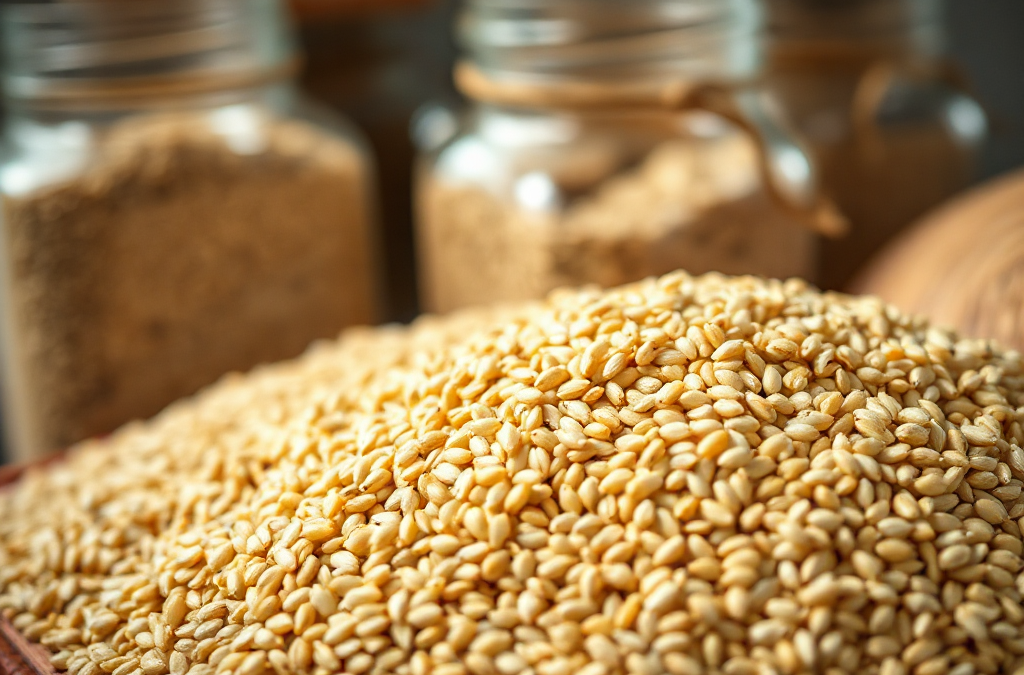
To prepare grains for emergency use, start by selecting high-quality grains, then clean and dry them properly before storing in airtight containers. Ensuring the grains are free from moisture and pests is vital for long-term preservation. Labeling containers with storage dates helps track freshness and usability. Regular checks for spoilage or pest infestation are also necessary to maintain grain quality over time.
Understanding Grain Types and Their Uses
Different types of grains serve varied purposes, making it essential to know which grains to prepare for emergencies. Common grains include rice, wheat, oats, and quinoa, each having unique nutritional profiles and cooking requirements. For instance, rice is a staple carbohydrate source, while quinoa is a complete protein. Understanding these differences allows for better meal planning, ensuring that your emergency food supply is both nutritious and versatile.
In emergency situations, the choice of grain can affect meal preparation speed and nutritional intake. For example, instant oats cook quickly and are easy to prepare, while whole grains may require longer cooking times. Prioritizing grains that provide essential nutrients, such as fiber and protein, can enhance meal quality during emergencies.
Cleaning and Preparing Grains for Storage
Before storing grains, thorough cleaning is critical to remove any debris, dust, or potential pests. Rinse grains under cold water, then spread them out on a clean towel to dry completely. Moisture is a significant enemy of grain storage, as it can lead to mold growth and spoilage. After drying, consider toasting some grains like oats to enhance flavor and extend shelf life.
Additionally, it’s wise to inspect grains for any signs of infestation or damage. Discard any grains that appear discolored or have an off smell. Properly preparing grains not only extends their shelf life but also ensures that they remain safe and nutritious for consumption.
Optimal Storage Conditions for Long-Term Preservation
Storing grains in airtight containers is essential for preventing moisture and pest intrusion. Use food-grade buckets, glass jars, or vacuum-sealed bags to maintain freshness. Keep storage containers in a cool, dark place, as exposure to light and heat can degrade grain quality over time. Ideal storage temperatures range from 50°F to 70°F.
Regularly check your stored grains for any signs of spoilage or pest activity. If you notice any issues, take immediate action to prevent further contamination. Additionally, labeling containers with the storage date helps keep track of freshness and ensures grains are used within their optimal time frame.
Common Mistakes to Avoid When Storing Grains
Many individuals make common mistakes that compromise the quality of stored grains. One major error is failing to clean and dry grains adequately before storage, which can lead to mold and spoilage. Another frequent mistake is using inappropriate storage containers that allow air and moisture to penetrate.
Additionally, neglecting to check stored grains regularly can result in undetected spoilage or pest infestations. To avoid these issues, establish a routine for inspecting grains and maintaining optimal storage conditions. By being proactive, you can ensure your emergency grain supply remains safe and nutritious.
Frequently Asked Questions
What types of grains are best for emergency storage?
Rice, wheat, oats, and quinoa are excellent choices for emergency storage due to their long shelf life and versatility.
How should I clean grains before storing them?
Rinse grains under cold water to remove dust and debris, then dry them thoroughly to prevent moisture-related spoilage.
What is the best way to store grains long-term?
Use airtight containers and keep them in a cool, dark place to maintain freshness and prevent spoilage.
How often should I check my stored grains?
Regular checks should be conducted every few months to ensure grains remain free from spoilage and pests.
Can I store cooked grains for emergencies?
Cooked grains can be stored, but they have a shorter shelf life compared to uncooked grains and require proper refrigeration or freezing.
Conclusion
Preparing grains for emergency use is a critical step in ensuring food security during unforeseen circumstances. By understanding the types of grains, properly cleaning and storing them, and avoiding common mistakes, you can maintain a nutritious and safe food supply. Prioritizing moisture control, regular inspections, and proper storage techniques will enhance the longevity and quality of your grains, making them a reliable resource in times of need.
Get Whole Wheat Flour, Grains and Milling Supplies – CLICK HERE

Related Content
Auto Amazon Links: No products found.