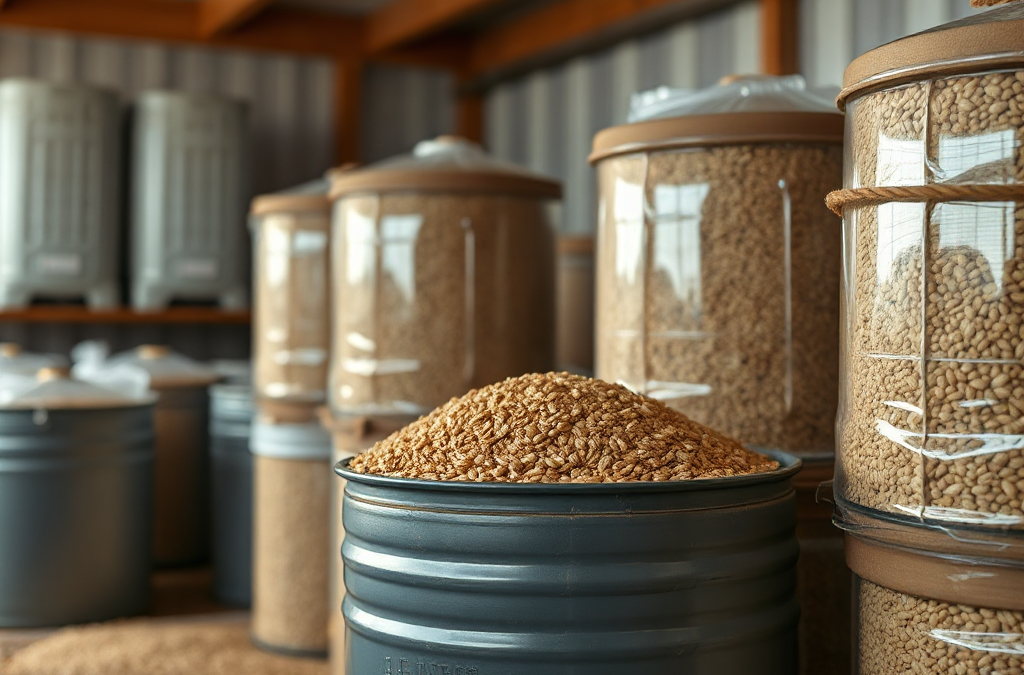
Creating a backup plan for grain storage involves assessing risks, implementing redundancy measures, and maintaining quality control. Begin by identifying potential threats such as pests, moisture, and temperature fluctuations. Establish backup systems like alternative storage sites or emergency equipment to mitigate these risks. Regular monitoring and quality checks are crucial to ensure that your grain remains safe and viable over time.
Understanding the Importance of a Backup Plan
A backup plan for grain storage is vital to safeguard against unexpected events that can compromise the quality and safety of stored grain. It ensures that you are prepared for various challenges, such as equipment failures, natural disasters, or pest infestations. By having a well-structured backup plan, you can minimize losses and maintain the integrity of your grain supply. This proactive approach not only protects your investment but also supports food security in your community.
Identifying Risks in Grain Storage
The first step in creating a backup plan is to identify the potential risks associated with grain storage. Common threats include:
- Pest Infestations: Insects and rodents can damage grain and contaminate it with waste.
- Moisture Control: Excess moisture can lead to mold growth and spoilage.
- Temperature Fluctuations: High temperatures can degrade grain quality, while extreme cold can cause damage to storage containers.
- Equipment Failures: Malfunctioning machinery can disrupt the storage process and lead to losses.
Conducting a thorough risk assessment allows you to prioritize which threats require immediate attention and develop strategies to address them effectively. Regular evaluations of your storage conditions and practices will help in identifying new risks as they arise.
Implementing Effective Backup Measures
Once you have identified the risks, the next step is to implement backup measures. This may include:
- Alternative Storage Solutions: Establish additional storage locations to distribute your grain supply. This reduces the risk of total loss if one site becomes compromised.
- Emergency Equipment: Keep backup tools and machinery on hand to quickly address any equipment failures. This includes spare parts, contingency equipment, and maintenance supplies.
- Regular Training: Ensure that staff are trained in emergency procedures and understand how to respond to various threats. This preparedness can significantly reduce response times during a crisis.
By proactively addressing these areas, you can create a robust backup plan that minimizes the impact of unforeseen events on your grain storage operations.
Maintaining Quality Control
Maintaining quality control is crucial to the success of your backup plan. Regular monitoring of stored grain helps detect any issues early on. Key practices include:
Get Whole Wheat Flour, Grains and Milling Supplies – CLICK HERE

- Routine Inspections: Conduct frequent checks for signs of pests, moisture, or temperature irregularities. This allows for timely intervention before problems escalate.
- Data Logging: Use technology to track storage conditions such as humidity and temperature. This data can help identify patterns and potential risks over time.
- Quality Testing: Regularly test grain samples for moisture content, mold, and other quality indicators. This ensures that any compromised grain can be addressed promptly.
By integrating quality control measures into your backup plan, you can ensure that your grain remains safe and suitable for consumption.
In practice, strong results with How to Create a Backup Plan for Grain Storage: Essential Steps to Ensure Quality and Safety usually come from repeating the same few priority actions long enough for them to become consistent. That means focusing on one clear standard, removing mixed signals, and watching what changes the outcome over several days instead of reacting to one isolated result. Small adjustments tend to work better than constant resets, because they make it easier to see what is actually helping and what is slowing progress.
Get Whole Wheat Flour, Grains and Milling Supplies – CLICK HERE
Popular Questions
What are the best practices for formatting a table of contents?
Use consistent formatting styles for headings and subheadings to improve readability. Incorporate page numbers and hyperlinks if the document is digital, allowing easy navigation. Keep the layout clean and uncluttered, and consider using indentation or numbering to distinguish different levels of content.
How does a table of contents improve the readability of a report?
A well-structured table of contents helps readers quickly locate specific sections or topics within a report. It provides an overview of the document's structure, making it easier to understand the scope and organization. This enhances overall readability and allows for efficient navigation through the content.
What tools can I use to generate a table of contents automatically?
Most word processing software like Microsoft Word and Google Docs offer built-in features to generate a table of contents automatically. These tools use your document's heading styles to create and update the table of contents dynamically. Additionally, some document management systems and writing platforms provide plugins or extensions for this purpose.
Auto Amazon Links: No products found.