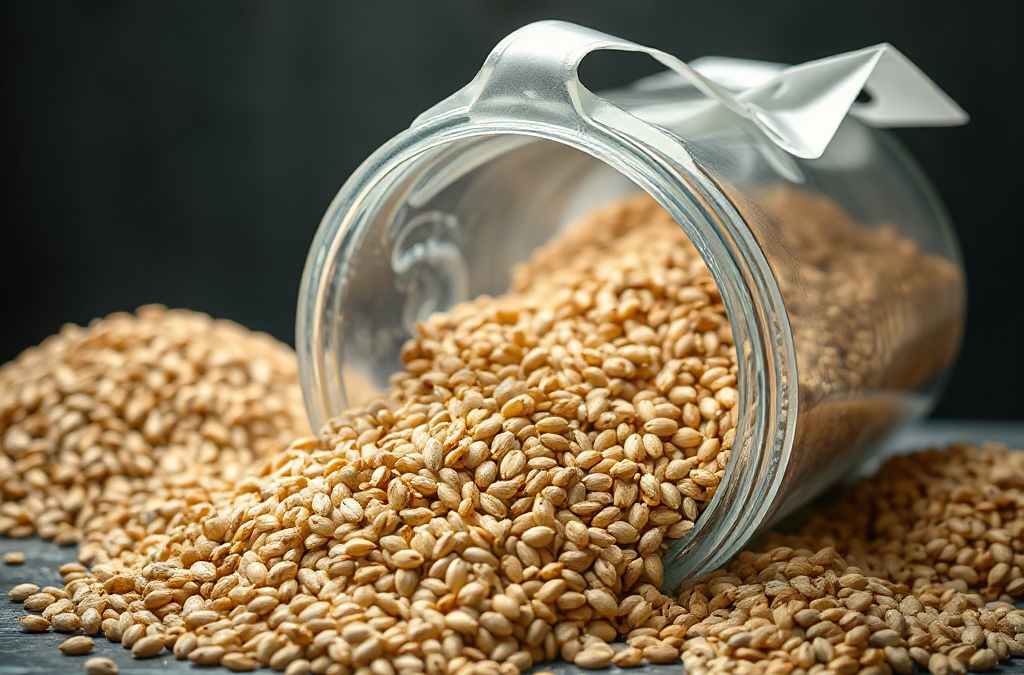
To assess moisture levels in stored grains, utilize a digital moisture meter for precise measurements, ensuring that samples are representative of the entire storage batch. It's essential to calibrate the meter according to the specific grain type for accurate readings. Additionally, employ the oven drying method for a more traditional approach, which involves drying a grain sample and measuring moisture loss. Regular monitoring is vital, as high moisture levels can lead to spoilage and significant economic losses. Aim to maintain moisture content between 12% and 14% to preserve grain quality and prevent mold growth.
Understanding Moisture Content in Grains
Moisture content in stored grains is crucial for maintaining quality and preventing spoilage. Grains with high moisture levels are susceptible to mold growth, insect infestations, and nutrient degradation. Understanding the optimal moisture levels for different grains—typically between 12% and 14%—is essential for effective storage. This knowledge helps grain handlers make informed decisions regarding drying and storage conditions.
High moisture content can lead to significant losses, both economically and in terms of grain quality. For instance, a single percentage point increase in moisture can lead to a substantial reduction in market value. Therefore, assessing moisture levels accurately and regularly is vital for ensuring the longevity and marketability of stored grains.
Methods for Measuring Moisture Levels
There are several effective methods for measuring moisture levels in stored grains, each with its own advantages and limitations. The most common methods include:
- Moisture Meters: Digital moisture meters are widely used for their accuracy and ease of use. They provide quick readings and can be used with various grain types. Ensure the meter is calibrated correctly for different grains.
- Oven Drying Method: This traditional method involves weighing a grain sample, drying it in an oven at a specific temperature, and then reweighing it to determine moisture loss. While accurate, this method is time-consuming and requires precise temperature control.
- Grain Sampling: Taking representative samples from different parts of the storage unit is essential for accurate moisture assessment. Ensure samples are mixed well before testing to get a reliable reading.
Each method has its context where it excels. For instance, moisture meters are ideal for quick assessments, while the oven drying method is best for confirming readings when accuracy is paramount.
Importance of Regular Monitoring
Regular monitoring of moisture levels in stored grains is essential for preventing spoilage and ensuring quality. Environmental factors such as temperature and humidity can fluctuate, affecting moisture retention. Implementing a routine check, especially during harvest seasons or after significant weather changes, can help catch moisture issues early.
Grain storage facilities should establish a monitoring schedule, ideally checking moisture levels every few weeks. If moisture levels exceed the optimal range, immediate action should be taken to reduce moisture through drying or improving ventilation. This proactive approach can save significant losses and maintain the quality of stored grains.
Common Mistakes and Misconceptions
Misinformation about moisture assessment can lead to poor grain storage practices. One common misconception is that a single measurement is sufficient for decision-making. In reality, moisture levels can vary significantly within a storage unit, making multiple readings essential for an accurate assessment.
Another mistake is neglecting environmental conditions. Factors such as high humidity and temperature can exacerbate moisture retention in grains. It’s crucial to account for these variables and adjust storage conditions accordingly to prevent moisture-related issues.
Additionally, relying solely on visual inspections can be misleading. Grains may appear dry on the surface while retaining moisture internally. Always use proper measuring tools to ensure accurate assessments.
Get Whole Wheat Flour, Grains and Milling Supplies – CLICK HERE

Frequently Asked Questions
What is the ideal moisture level for stored grains?
The ideal moisture level for most stored grains is typically between 12% and 14%, depending on the grain type.
How often should I check moisture levels in stored grains?
Moisture levels should be checked every few weeks, especially during harvest season or after significant weather changes.
Can I use a regular thermometer to check moisture levels?
No, a regular thermometer cannot accurately assess moisture levels. Use a moisture meter specifically designed for grains.
What should I do if moisture levels are too high?
If moisture levels exceed the optimal range, take immediate action to dry the grains and improve ventilation in the storage area.
Is the oven drying method accurate for measuring moisture?
Yes, the oven drying method is accurate but time-consuming; it is best used for confirming moisture meter readings.
Conclusion
Assessing moisture levels in stored grains is crucial for maintaining quality and preventing spoilage. By utilizing effective measurement methods, regularly monitoring conditions, and avoiding common misconceptions, grain handlers can ensure optimal storage practices. Implementing these strategies will help safeguard the integrity of stored grains, ultimately leading to better economic outcomes and reduced waste.
Get Whole Wheat Flour, Grains and Milling Supplies – CLICK HERE
Related Content
- Re-learning lost arts & skills at Turtle Island Preserve
- Home Grain Storage and Rotation: Effective Techniques for Maintaining Quality and Freshness
- Grain Storage and Shelf Life: Strategies to Preserve Quality and Maximize Longevity
- How to Store Dry Grains: 7 Effective Tips for Long-Term Freshness 2025
- Markets are full of 'food' – so where is the crisis?
Auto Amazon Links: No products found.