Effective emergency food preparation storage is essential for ensuring you have access to nutritious meals during unforeseen circumstances. Prioritizing proper organization, choosing the right containers, and understanding food shelf life can make a significant difference in your preparedness strategy.
Many individuals underestimate the importance of a well-stocked pantry, often leading to common pitfalls such as food spoilage or inadequate supplies. A lack of strategic planning can result in confusion during critical moments, making it essential to prioritize both the selection and organization of your emergency food supplies. Understanding the trade-offs between different types of food storage can help you make informed decisions that suit your household’s specific needs.

Understanding Food Shelf Life
Understanding the shelf life of different food items is fundamental to effective emergency food preparation storage. Foods are categorized into various shelf life brackets, including non-perishable, semi-perishable, and perishable items. Non-perishable foods, such as canned goods, dried beans, and rice, can last for years if stored correctly. Semi-perishable items, like certain nuts and vacuum-sealed products, have a shorter shelf life but can still be valuable in an emergency.
Misunderstanding shelf life can lead to wasted resources and unpreparedness. For instance, many people assume that all canned goods last indefinitely, but they can lose flavor and nutritional value over time. Prioritize rotating your stock based on expiration dates and regularly check for any items that need to be consumed or replaced.
Choosing the Right Containers
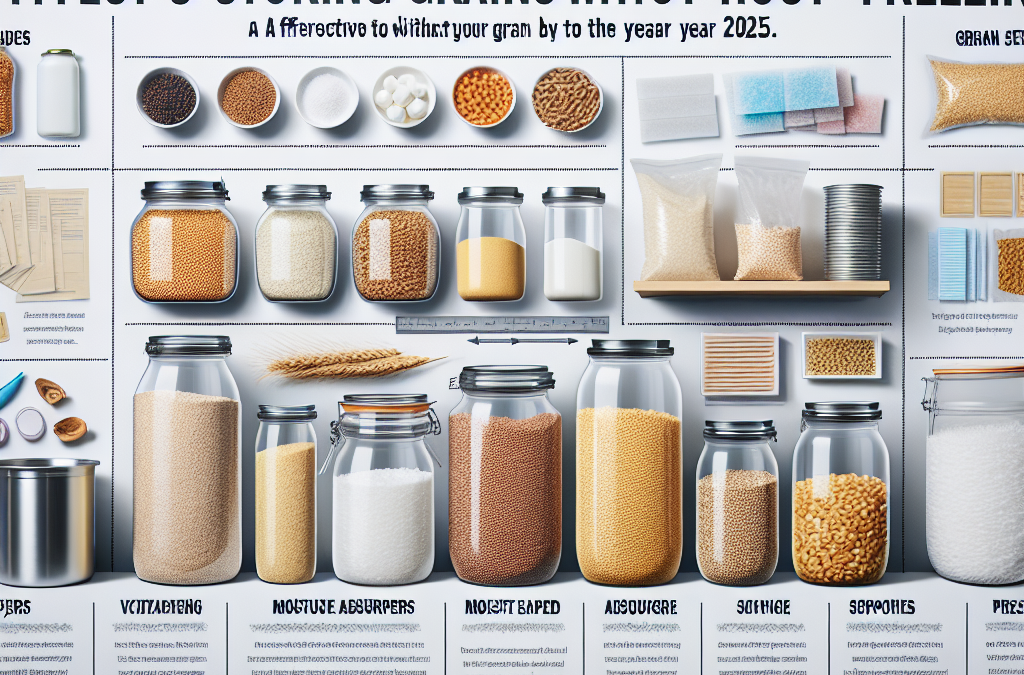
Investing in the right storage containers is essential for maintaining food quality and extending shelf life. Airtight containers, vacuum-sealed bags, and Mylar bags with oxygen absorbers are excellent choices for storing dry goods. Each option has its benefits: airtight containers prevent moisture and pests, while vacuum sealing can significantly prolong freshness.
When selecting containers, consider factors like the size, material, and sealing mechanism. Glass containers are durable and environmentally friendly, but they can be heavy and breakable. Plastic containers are lightweight but may not provide the same level of protection. Assess your household’s needs and choose accordingly, always ensuring your containers are food-safe and suitable for long-term storage.
Organizing Your Pantry
Organization plays a pivotal role in effective emergency food preparation storage. A cluttered pantry can lead to confusion and wasted time during emergencies. Start by categorizing your food items: group similar products together, such as grains, canned goods, and freeze-dried items. Labeling shelves or containers can also help streamline access to supplies.
Consider implementing a first-in, first-out (FIFO) system to ensure older items are used before newer ones. This method reduces waste and keeps your pantry stocked with fresh supplies. Regularly reviewing your inventory can help you stay aware of what you have on hand and what needs to be replenished, making your emergency preparedness more effective.
Common Mistakes to Avoid
When preparing your emergency food storage, there are several common mistakes to avoid. One frequent error is overestimating the shelf life of certain foods, leading to expired items being stored for too long. Another pitfall is neglecting to consider dietary restrictions or preferences within your household, which can render your emergency supplies ineffective.
Get Whole Wheat Flour, Grains and Milling Supplies – CLICK HERE

Additionally, many people overlook the importance of including a variety of food types. Relying solely on carbohydrates can lead to nutritional deficiencies. Strive for a balanced selection that includes proteins, fats, and carbohydrates to ensure your family has access to nourishing meals during emergencies.
Further Reading
For those looking to delve deeper into emergency food preparation storage, consider exploring resources from reputable organizations such as the USDA and FEMA. They provide guidelines on food safety, storage techniques, and emergency preparedness plans that can enhance your understanding and readiness.
Frequently Asked Questions
What types of food should I store for emergencies?
Focus on non-perishable items like canned goods, dried beans, rice, and freeze-dried foods, along with a variety of proteins and healthy fats.
How long can I store canned goods?
Canned goods can last for 2-5 years, but it’s best to check expiration dates and rotate your stock regularly.
Is it necessary to vacuum seal food for storage?
While not necessary, vacuum sealing can significantly extend the shelf life of foods by preventing oxidation and moisture exposure.
How should I organize my emergency food supplies?
Group similar items together, label containers, and implement a FIFO system to ensure older items are used first.
What are the signs that food has gone bad?
Signs include off smells, discoloration, bulging cans, or signs of pest infestation. When in doubt, it’s safer to discard questionable items.
Conclusion
Organizing your emergency food preparation storage is not just about having supplies on hand; it’s about ensuring that those supplies are effective and nutritious. By understanding food shelf life, choosing appropriate containers, and avoiding common mistakes, you can create a robust emergency food strategy. Regularly review and update your pantry to maintain readiness, ensuring your household is equipped for any situation that may arise.
Related Content
- RED (Real Emergency Directions) Book – Step 4: Vital Records
- The Best Practices for Long-Term Storage of Whole Grains
- Top 10 Secrets for Perfect Grain Storage in Plastic Bins (2025 Guide)
- Grain Storage Without Refrigeration: Effective Methods for Long-Term Preservation
- Preparation Step 4 – Plan to care for medical needs
Auto Amazon Links: No products found.