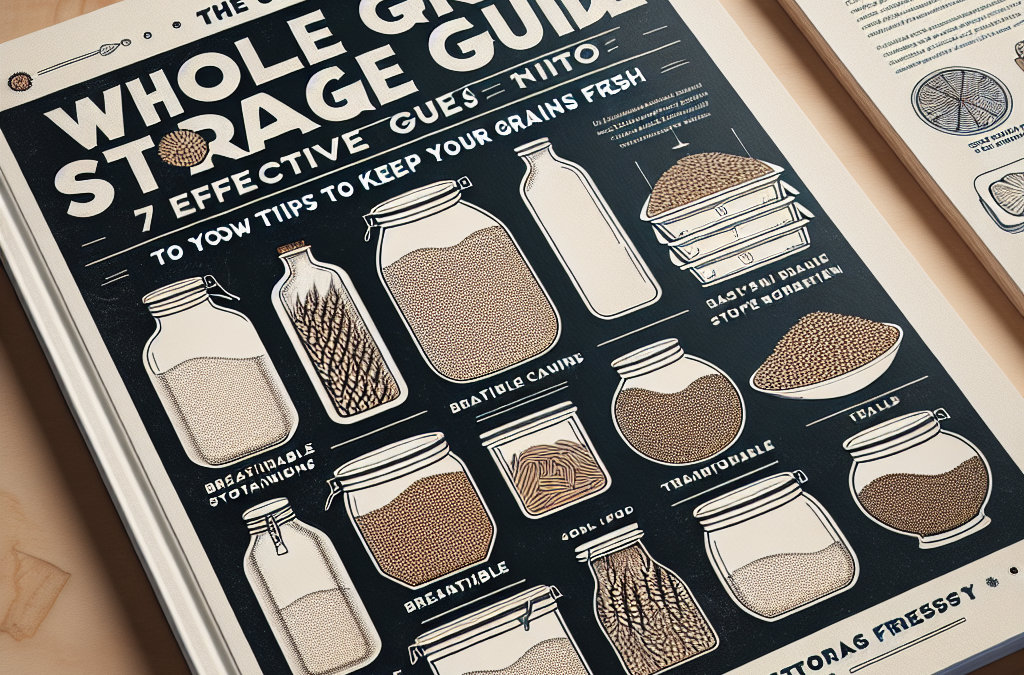
Food storage barrels are specialized containers designed to store bulk dry goods such as grains, legumes, and other non-perishable items. They help maintain the freshness and quality of food by protecting it from moisture, pests, and light.
Understanding the importance of food storage barrels goes beyond mere convenience; it is about safeguarding your food investment. Choosing the appropriate barrel can prevent spoilage and waste, ultimately saving you money and ensuring you have supplies when needed. Common mistakes include using the wrong materials that can leach chemicals or failing to properly seal the barrels, leading to contamination. Prioritizing quality and suitability for your specific needs is crucial.
Furthermore, many people overlook the impact of environmental conditions on stored food. Temperature fluctuations and humidity can significantly affect the longevity of dry goods. It’s essential to store these barrels in a cool, dry place away from direct sunlight to maximize their effectiveness.
Choosing the Right Material for Food Storage Barrels
When selecting food storage barrels, the material is a critical factor. Common options include plastic, metal, and glass. Each material has its advantages and disadvantages. For example, food-grade plastic barrels are lightweight and resistant to corrosion, making them ideal for storing a variety of dry goods. However, they may not provide the same level of protection against oxygen and light as metal or glass.
Metal barrels, particularly those made from stainless steel, offer superior durability and protection against environmental factors. They are less likely to leach chemicals compared to some plastics, ensuring that food remains uncontaminated. Glass barrels can showcase contents and are non-reactive, but they are heavier and more fragile, making them less practical for larger quantities.
Ultimately, the choice of material should align with your specific storage needs and the types of food you are preserving. Consider factors such as the duration of storage, potential exposure to elements, and the volume of items being stored.
Best Practices for Sealing and Storing
Proper sealing is essential for the effectiveness of food storage barrels. A tight seal prevents air, moisture, and pests from entering, which can lead to spoilage. Many barrels come with airtight lids or gaskets that create a vacuum seal, which is highly effective for long-term storage.
Additionally, storing barrels in a controlled environment is crucial. A cool, dry location away from sunlight will help maintain the integrity of the food. Regularly check the barrels for any signs of damage or wear, as this can compromise the seal and lead to contamination.
For even greater protection, consider using oxygen absorbers inside the barrels. These can help extend the shelf life of dry foods by reducing the oxygen content inside the barrel, thus preventing oxidation and spoilage.
Common Mistakes in Food Storage
One of the most common mistakes people make with food storage barrels is not properly cleaning them before use. Residue from previous contents can contaminate new food, leading to spoilage or off-flavors. Always ensure that barrels are thoroughly cleaned and dried before storage.
Another mistake is failing to label barrels, which can lead to confusion over contents and storage dates. Proper labeling is vital for managing inventory and ensuring that older items are used first.
Additionally, many individuals underestimate the importance of monitoring storage conditions. Even high-quality barrels can fail if they are exposed to excessive heat or humidity. Regular checks can prevent potential issues before they escalate.
Get Whole Wheat Flour, Grains and Milling Supplies – CLICK HERE

Long-Term Storage Solutions
For those looking to store food long-term, food storage barrels can be an invaluable resource. They allow for bulk purchasing of dry goods, which can save money and reduce trips to the store. When storing food for an extended period, it’s essential to consider the types of food that are best suited for this method.
Grains, beans, and dehydrated foods are ideal candidates for long-term storage in barrels. These items typically have a longer shelf life and are less susceptible to spoilage when stored correctly. Ensure that the barrels are filled to minimize air space, as this will help reduce oxidation.
In addition, consider implementing a rotation system where older items are used first. This practice helps maintain freshness and ensures that food is consumed within its optimal timeframe.
Further Reading
Authoritative Sources
- USDA Food Safety and Inspection Service
fsis.usda.govThis site provides valuable information on food safety standards and storage recommendations
- FDA Food Safety
fda.govThe FDA offers guidelines on food storage and preservation methods
- FoodSafety.gov
foodsafety.govA comprehensive resource for food safety, including storage tips and best practices
Frequently Asked Questions
What types of food are best stored in barrels?
Dry goods such as grains, beans, pasta, and dehydrated foods are ideal for barrel storage.
How should I clean food storage barrels?
Clean barrels with warm, soapy water and a non-abrasive sponge, then rinse thoroughly and allow to dry completely.
Can I use regular plastic barrels for food storage?
Only use food-grade plastic barrels that are specifically designed for food storage to avoid chemical contamination.
How long can I store food in barrels?
When stored properly, dry goods can last several years in food storage barrels, depending on the type of food and storage conditions.
Should I use oxygen absorbers in my storage barrels?
Yes, using oxygen absorbers can significantly extend the shelf life of stored foods by reducing oxidation.
Conclusion
In summary, food storage barrels are essential tools for preserving the quality and longevity of dry goods. Choosing the right material, ensuring proper sealing, and avoiding common mistakes can significantly enhance your food storage efforts. By implementing best practices and understanding the unique requirements for long-term storage, you can protect your investment in food and ensure you have access to quality supplies when needed. Prioritize regular checks and proper labeling to maintain an organized inventory and maximize the effectiveness of your storage solutions.
Get Whole Wheat Flour, Grains and Milling Supplies – CLICK HERE
Related Content
Auto Amazon Links: No products found.