Here are some Food Storage ideas for beginners.
 Do you know that proper food storage is essential to the well-being of everyone in your household? A little knowledge on the basics of successful food storage keeps your family safe and helps you make the most of your food dollars. Here we’ll take a look at some tips and a few techniques that pay big dividends.
Food storage can be looked at from both long and short term perspectives. Bulk, canned and preserved foods in a good variety are good insurance against emergencies such as natural disasters or work shortages and layoffs. When doing your regular shopping, allot 10% of your budget towards a ready survival pantry. When storing perishables, pay attention to your food storage methods to avoid waste. However, both long and short term food storage requires safe methods and containers.
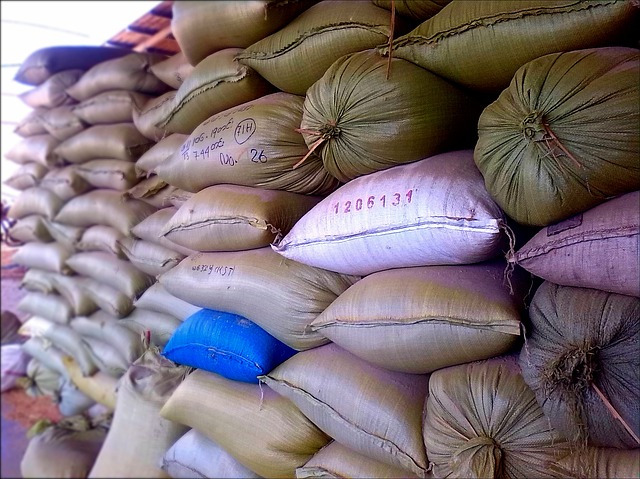
Always store bulk foods, such as rice, flour and dried beans in plastic or tin containers to protect against dampness and insects. Whole grains, such as wheat germ or wheat flour should be stored in the frig or freezer. Canned goods are best stored above the ground in a dry location. Rotate your canned stock with your most recent purchases at the back.
Almost everyone has woefully discovered perishable foods such as that bit of egg salad from last week’s lunch in a sorry state of waste. Storing leftovers in small date-marked food storage containers on a designated shelf allows you to see at a glance what should be used soon.
Herbs and spices are expensive, but indispensable to varied and interesting menus. Buy in quantities you will use in six months and store in a cool, dark location to maintain freshness.
All meats should be stored promptly. If you won’t be using these foods today, freeze them. This is particularly true of poultry, fish and seafood. A steak or roast will certainly keep in the frig until tomorrow, but don’t take chances with other meats. Double-bagging, or wrapping in butcher’s paper for the freezer preserves texture and extends freezer life.
Check the expiration dates on all dairy products. Do not store dairy products on the door of the frig. Although there’s a handy shelf on the door that fits a milk carton perfectly, this is the warmest part of the frig. Contrary to popular thought, bread does not keep well in the refrigerator. Store on your counter in a cool place. Most breads freeze well.
Good food storage practices benefit your health and your budget. Make these tips a regular habit. Your family will thank you.
Other condiments. Make sure you add cooking oil, shortening, baking powder, soda, yeast, and powdered eggs. You can’t cook even the most basic recipes without these items.
Jello, pudding, candy, etc.-you should add to your storage. These may sound frivolous, but will be a wonderful treat during a stressful situation.
Popular Questions
What foods should beginners choose for food storage?
Start with foods your household already eats, such as rice, beans, pasta, oats, canned vegetables, canned fruit, and shelf-stable proteins. Choose items with long expiration dates and add them gradually rather than buying large quantities at once. Include a manual can opener and seasonings so stored foods are practical to prepare.
How much food storage should a beginner have?
A beginner can start with a one- to two-week supply for each person in the household. Estimate portions based on normal meals, then adjust for allergies, dietary needs, and available space. Build the supply over time by adding a few extra shelf-stable items during each shopping trip.
How should beginners organize a food storage pantry?
Store food in a cool, dry, dark location away from heat, moisture, and household chemicals. Group similar foods together and label opened packages or bulk containers with the purchase date. Keep newer items behind older ones so the oldest products are used first.
What is the best way to rotate food storage for beginners?
Use the first-in, first-out method by placing newly purchased items behind food already on the shelf. Check dates and packaging once a month for spoilage, damage, or signs of pests. Replace anything you use so the supply remains current without unnecessary waste.
Auto Amazon Links: No products found.