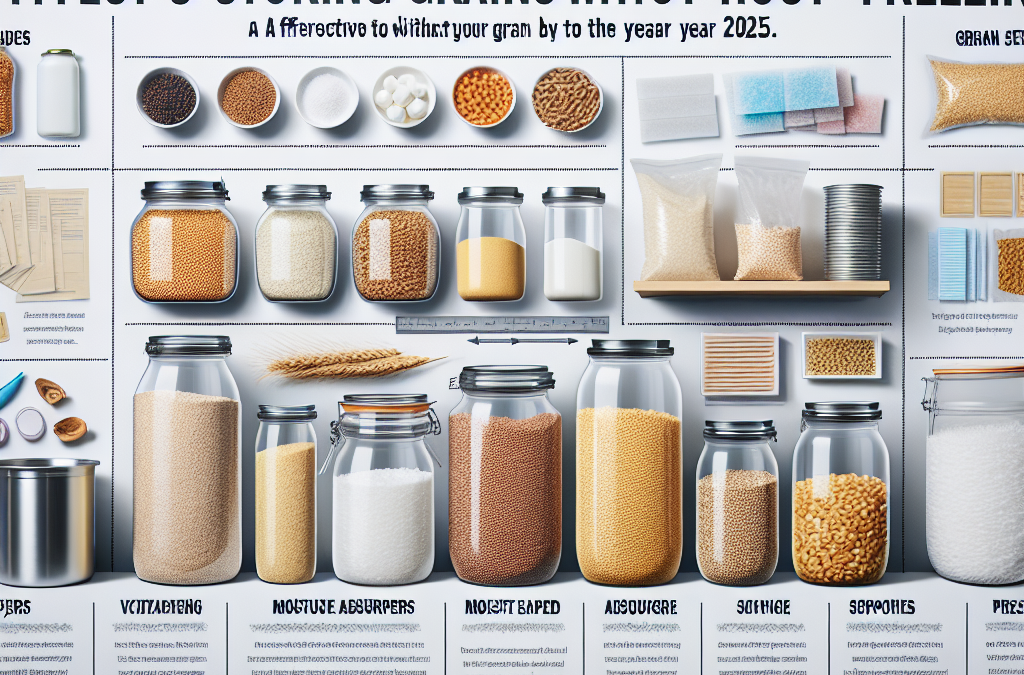
A grain storage checklist encompasses essential steps to ensure that stored grains remain in optimal condition. Proper storage is critical to prevent spoilage and maintain quality over time.
When storing grains, the choice of container plays a significant role in preservation. Airtight containers are preferable as they limit exposure to moisture and pests. Additionally, the storage area should be kept cool and dry to inhibit mold growth and insect infestations. Regularly checking the stored grains for signs of spoilage or pest activity can prevent larger issues down the line.
Another common mistake is overlooking the importance of monitoring environmental conditions. Fluctuations in temperature and humidity can lead to grain degradation. Therefore, investing in a hygrometer and thermometer can be beneficial for maintaining the right conditions. Prioritizing these factors helps ensure that the grains remain viable for longer periods, ultimately saving money and resources.
Choosing the Right Storage Containers
Selecting appropriate storage containers is crucial for effective grain preservation. Airtight containers prevent moisture and pests from entering, which can lead to spoilage. Options include food-grade plastic bins, glass jars, or metal containers, each with pros and cons.
Food-grade plastic bins are lightweight and easy to handle, but glass jars offer visibility and airtight seals, making it easy to monitor contents. Metal containers are durable but can be prone to rust if not properly maintained. Understanding the specific needs of the grains being stored, such as their susceptibility to pests, can guide the choice of container.
It’s also important to consider the size of the containers. Large bins may be more economical for bulk storage, but smaller containers can facilitate easier access and prevent the risk of spoilage by allowing for smaller quantities to be opened at a time.
Maintaining Ideal Environmental Conditions
Maintaining the right environmental conditions is vital for grain storage longevity. The ideal temperature for most grains is between 50°F and 70°F, with humidity levels kept below 15%. High humidity can lead to mold growth, while extreme temperatures can degrade grain quality.
To achieve these conditions, consider using climate control measures such as dehumidifiers or air conditioning in storage areas. Regularly monitoring temperature and humidity levels with reliable instruments can help identify potential issues before they affect the stored grains.
Additionally, ensuring proper ventilation in the storage area can help maintain air circulation, which is essential for preventing moisture buildup. This is particularly important in warmer climates where humidity can fluctuate significantly.
Regular Inspection and Maintenance
Regular inspection of stored grains is necessary to identify any signs of spoilage or pest infestation early. Establishing a routine check-up schedule—ideally every month—can help maintain grain quality.
During inspections, look for signs of mold, unusual odors, or the presence of pests. If any issues are detected, it is crucial to take immediate action, such as removing affected grains and treating the storage area to prevent further infestations.
Get Whole Wheat Flour, Grains and Milling Supplies – CLICK HERE

Maintenance extends beyond just inspection; cleaning storage containers and the surrounding area should be done regularly to prevent contamination. A clean storage environment supports optimal grain preservation.
Common Mistakes to Avoid
Avoiding common mistakes can greatly enhance grain preservation efforts. One frequent error is not sealing containers properly, which allows moisture and pests to infiltrate. Another mistake is overfilling containers, which can lead to air trapped inside and create conditions for spoilage.
Neglecting to monitor environmental conditions is also a common oversight. Many assume that grains can be stored indefinitely without checking temperature and humidity. However, these factors are critical for maintaining quality.
Finally, failing to rotate stock can lead to older grains being forgotten and spoiling. Implementing a first-in, first-out method can help ensure that older grains are used before newer ones.
Further Reading
Authoritative Sources
- MedlinePlus
medlineplus.govConsumer-friendly medical and health information from the U.S. National Library of Medicine.
- National Institutes of Health
nih.govResearch-based health information and links to authoritative medical resources.
- Centers for Disease Control and Prevention
cdc.govOfficial public health guidance, prevention resources, and topic-specific recommendations.
- Mayo Clinic
mayoclinic.orgTrusted clinical guidance, symptom explainers, and treatment overviews.
- World Health Organization
who.intGlobal health guidance, fact sheets, and evidence-based public health information.
Frequently Asked Questions
What containers are best for grain storage?
Airtight food-grade plastic bins, glass jars, and metal containers are ideal for grain storage, each offering different benefits.
How can I prevent pests in stored grains?
Regular inspections, proper sealing of containers, and maintaining a clean storage area can help prevent pest infestations.
What temperature is ideal for grain storage?
The ideal temperature for storing most grains is between 50°F and 70°F to maintain quality.
How often should I check my stored grains?
It’s recommended to inspect stored grains at least once a month to catch any signs of spoilage or pest issues early.
What are the signs of spoiled grains?
Signs of spoiled grains include mold growth, a sour smell, discoloration, and the presence of insects.
Conclusion
To successfully store grains, it is essential to follow a comprehensive checklist that includes selecting the right containers, maintaining ideal environmental conditions, and conducting regular inspections. Understanding the common pitfalls and prioritizing preventive measures will significantly enhance the longevity and quality of stored grains. By implementing these practices, you can ensure that your grains remain fresh and usable for extended periods, ultimately contributing to better food security and reduced waste.
Get Whole Wheat Flour, Grains and Milling Supplies – CLICK HERE
Related Content
Auto Amazon Links: No products found.