
With unpredictable weather and economic fluctuations, it is becoming increasingly important to ensure that your food items stay safe and secure over extended periods of time. Learn the art of storing food long-term for survival and the unique steps not commonly found in typical trainings. Find out why this storage method is the key to keeping your food safe and discover the types of food that can be stored for extended periods of time across the United States.
 A well-stocked kitchen with essential items that don’t go bad too quickly is essential to minimizing trips to the grocery store. Storage techniques for long-term storage, however, require a bit more ingenuity and foresight. With the right methods, you can increase the shelf life of food items for future use, especially during times when food resources may be scarce.
Historically, humans have relied on methods such as canning, curing, and dehydration to preserve food. Through these innovative processes, we can still store ingredients for longer periods without the need for refrigeration. This reduces the cost of storing food and helps to reduce waste. Here are a few tried and tested techniques you can use to store food for longer periods:
1. Canning: Canning is a great way to preserve food, often with little to no preparation. You can use both water bath and pressure canning methods to preserve fruits, vegetables, and meats for long-term storage.
2. Freezing: Freezing food is a great way to maximize your food’s shelf life. To safely freeze food, you should use airtight containers or vacuum sealers. Opt for durable containers that are dry, free of odors, and large enough to contain all of your frozen items.
3. Dehydrating: Dehydrating food removes moisture and reduces the risk of spoilage. This process also helps preserve fresh fruits and vegetables so you can enjoy them later. To dehydrate foods, use an oven, dehydrator machine, or an electric smoker (for meats).
4. Curing: Curing is a method of curing and preserving meats that has been used since ancient times. This process involves heavily salting and seasoning meats and then drying them for extended periods of time. This technique is perfect for keeping large cuts of meat that you won’t be consuming soon frozen for long periods without having to worry about them spoiling.
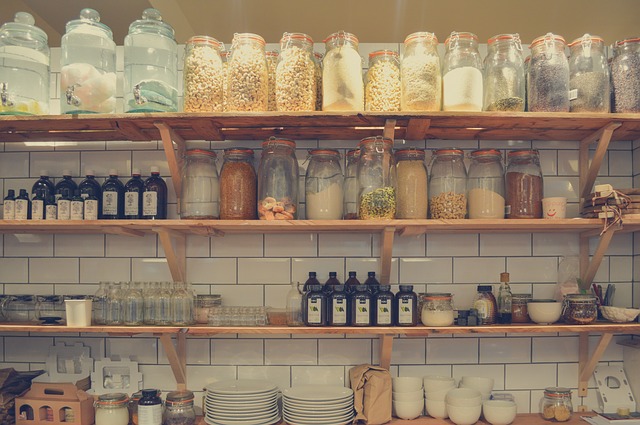
5. Storing: The right type of storage can help you keep foods for extended periods. Store away items in airtight containers or jars in a cool, dry location. Ideally, you should look for food-grade materials that are both durable and free of odors.
The art of preserving food for long-term storage is an invaluable skill that not only helps you save money but can also help you survive during economic downturns. By employing techniques such as canning, freezing, and dehydrating, you can increase the shelf life of your food and store items such as meats, fruits, vegetables, and grains for an extended period of time. Armed with the right knowledge and the proper storage methods, you can easily keep food safe and secure for long-term storage.
Popular Questions
What is the art of successfully storing food long-term?
Successfully storing food long-term involves choosing suitable foods, using proper packaging, and controlling temperature, moisture, light, and pests. Dry goods should be kept in airtight, food-safe containers, while canned and preserved foods need clean storage conditions. Label every container with the food name and storage date so older items are used first.
Which foods are best for the art of successfully storing food long-term?
Foods with low moisture, such as rice, wheat, oats, dried beans, pasta, and powdered milk, are practical choices for extended storage. Canned vegetables, fruits, meats, and soups can also last for years when commercially processed and stored correctly. Select foods your household already eats, because familiar ingredients are easier to rotate before their quality declines.
How should containers be prepared for successfully storing food long-term?
Use clean, dry, food-grade containers with tight-fitting lids to protect food from air, moisture, insects, and rodents. For dry foods, remove as much oxygen as practical with oxygen absorbers or suitable vacuum-sealing methods, while avoiding oxygen absorbers in moist foods unless the method is specifically designed for them. Check each seal regularly and replace containers that crack, leak, or show signs of contamination.
What temperature and location support the art of successfully storing food long-term?
Choose a cool, dry, dark location with stable temperatures rather than a garage, attic, or area exposed to seasonal heat and freezing. Keep containers off the floor and away from walls where condensation or pests may be a problem. A pantry or dedicated storage room with good ventilation makes it easier to inspect supplies and maintain consistent conditions.
How can a household rotate food during long-term storage?
Use a first-in, first-out system by placing newer packages behind older ones and checking dates during routine inventory reviews. Record quantities, packaging dates, and expiration or best-by dates in a written list or spreadsheet. Replace items as they are used, and discard food with damaged packaging, unusual odors, mold, swelling, or other signs of spoilage.
Auto Amazon Links: No products found.





