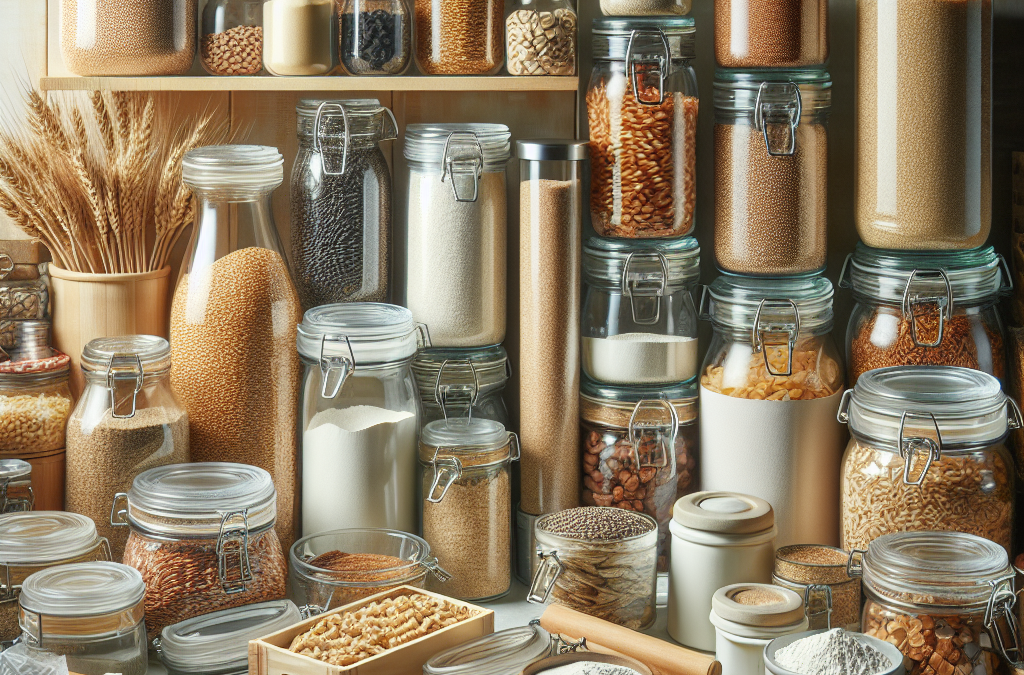
Grain storage for family preparedness involves techniques to securely store grains to ensure they remain viable for extended periods. This process includes selecting the right containers, maintaining optimal conditions, and regularly inspecting stored grains to prevent spoilage or pest infestations.
Effective grain storage is crucial for families looking to prepare for unexpected situations, such as natural disasters or economic downturns. Proper storage not only extends the shelf life of grains but also prevents nutrient loss and pest infestations. Many families overlook the importance of the storage environment, which can significantly impact grain quality over time. Factors like temperature, humidity, and light exposure must be controlled to maintain the integrity of grains.
Common mistakes in grain storage often stem from inadequate container choices or neglecting environmental conditions. For example, using plastic containers without proper ventilation can lead to moisture buildup, which promotes mold growth. Therefore, choosing the right storage method and regularly monitoring conditions is vital for long-term viability. Families should prioritize understanding these factors to maximize their preparedness efforts.
Selecting Appropriate Containers for Grain Storage
Choosing the right containers is fundamental for effective grain storage. Airtight containers made of food-grade plastic, glass, or metal are ideal as they protect grains from moisture, pests, and light. Avoid using containers that have previously held non-food items, as residues can contaminate the grains.
Families should consider the size of the container based on their storage needs and available space. Larger containers may be more cost-effective for bulk storage, but smaller containers can facilitate easier rotation and use. Additionally, labeling containers with the type of grain and storage date can help in maintaining an organized system.
It’s important to regularly evaluate the integrity of storage containers. Cracks or holes can compromise the environment for stored grains. If pests are a concern, consider using containers with locking lids or incorporating pest deterrents such as diatomaceous earth in the storage area to prevent infestations.
Optimal Environmental Conditions for Grain Preservation
Maintaining optimal environmental conditions is essential for preserving the quality of stored grains. Ideal storage conditions include a cool, dry, and dark environment. Temperatures should ideally be between 50°F and 70°F, with humidity levels below 15% to prevent mold growth and spoilage.
Families should assess their storage locations, such as basements or pantries, to ensure they are appropriate for grain storage. Ideally, containers should be elevated off the ground to avoid moisture transfer from floors. Regularly monitoring temperature and humidity can help in making necessary adjustments to the storage environment.
For those living in humid climates, using dehumidifiers or silica gel packets within containers can help manage moisture levels. Additionally, consider rotating stored grains every six months to ensure freshness and prevent long-term storage issues.
Common Mistakes in Grain Storage
Many families make critical mistakes when storing grains that can lead to spoilage and waste. One common error is neglecting to properly clean and dry grains before storage. Even small amounts of moisture can result in mold or pest infestations.
Another frequent issue is the selection of inappropriate containers. Using non-food-grade plastics can leach harmful chemicals into the grains. Additionally, failing to label containers can lead to confusion and waste when it comes time to use the stored grains.
Families should also be cautious about over-storing. While it’s beneficial to have a stockpile of grains, storing more than can be used within a reasonable timeframe can lead to spoilage. It’s advisable to keep track of inventory and prioritize using older grains first.
Get Whole Wheat Flour, Grains and Milling Supplies – CLICK HERE

Regular Inspection and Maintenance of Stored Grains
Regular inspection of stored grains is crucial for ensuring their long-term viability. Families should plan to check their stored grains every few months for signs of moisture, pests, or spoilage. This proactive approach allows for early detection and remediation of potential issues.
During inspections, it’s important to look for any changes in smell, texture, or color that may indicate spoilage. If any issues are found, it may be necessary to discard affected grains to prevent further contamination of the remaining stock.
Additionally, families should establish a maintenance schedule to replenish stocks and rotate grains. Keeping a written record of inspections and maintenance actions can help in managing grain storage effectively, ensuring that families are always prepared.
Further Reading
Authoritative Sources
- USDA Grain Standards
ams.usda.govProvides official guidelines and standards for grain storage and handling
- Purdue Extension on Grain Storage
extension.purdue.eduOffers research-based information on grain storage techniques and best practices
- Grain Storage Basics
grainscanada.gc.caA comprehensive resource on grain storage methods and pest management strategies
Frequently Asked Questions
What types of grains are best for storage?
Whole grains like wheat, rice, barley, and oats are ideal for long-term storage due to their low moisture content and nutrient density.
How can I tell if stored grains have gone bad?
Signs of spoilage include off smells, discoloration, or the presence of mold or insects. If any of these are observed, discard the affected grains immediately.
What is the ideal temperature for grain storage?
The ideal temperature for storing grains is between 50°F and 70°F. Cooler temperatures help prevent spoilage and pest infestations.
How often should I check my stored grains?
It is recommended to inspect stored grains every three to six months to ensure they remain in good condition and to catch any potential problems early.
Can I store grains in plastic containers?
Yes, but ensure they are food-grade, airtight, and have no previous chemical residues. Glass or metal containers are also excellent options.
Conclusion
In conclusion, effective grain storage for family preparedness is essential for maintaining food security during emergencies. Families should prioritize selecting appropriate containers, maintaining optimal environmental conditions, and conducting regular inspections. By following these guidelines, families can ensure that their grain supplies remain viable and ready for use when needed. Making informed decisions about grain storage not only enhances preparedness but also contributes to overall peace of mind in uncertain times.
Get Whole Wheat Flour, Grains and Milling Supplies – CLICK HERE
Related Content
Auto Amazon Links: No products found.