Proper food storage is crucial for maintaining the quality and safety of your pantry items. Common mistakes include neglecting to rotate stock, failing to check expiration dates, and using inadequate storage containers. By adopting effective storage practices, you can enhance the usability of your food, minimize spoilage, and reduce the risk of foodborne illnesses.
Many homeowners underestimate the impact of environmental factors on food storage. Temperature, humidity, and light exposure can significantly affect the shelf life of various pantry items. For instance, storing grains in a cool, dark place can prolong their freshness, while improper storage may lead to infestations or spoilage. Prioritizing the right conditions for each food type is key to effective home pantry food storage.
Choosing the Right Containers for Food Storage
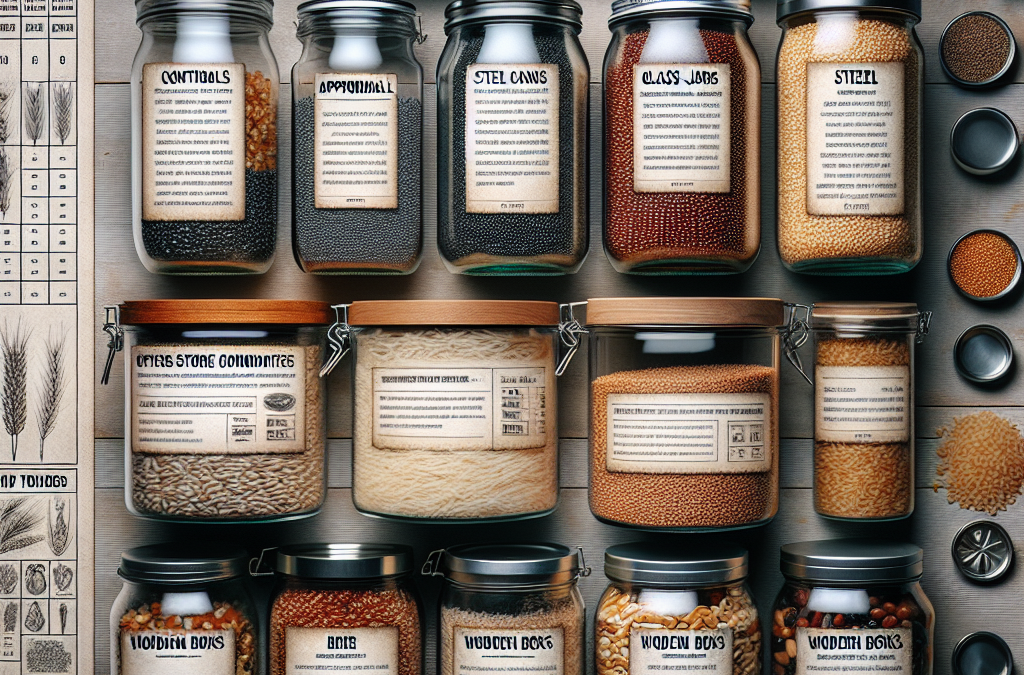
Selecting appropriate containers for food storage is fundamental to maintaining freshness and preventing contamination. Airtight containers are ideal for grains, cereals, and snacks, as they protect against moisture and pests. Glass or BPA-free plastic containers are recommended for their durability and safety. Avoid using containers that previously held non-food items, as they may retain harmful residues.
Investing in quality storage solutions can save money in the long run by reducing food waste. For example, vacuum-sealed bags can significantly extend the shelf life of dried foods by removing air that causes oxidation. Additionally, consider using clear containers to easily identify contents, which can streamline your cooking process.
Many individuals overlook the importance of labeling containers with dates and contents. This practice not only helps track freshness but also encourages the use of older items first, minimizing spoilage. Establish a system that works for you, whether it’s using a whiteboard, stickers, or a digital app to keep tabs on pantry inventory.
Organizing Your Pantry for Efficiency
Efficient organization of your pantry can enhance meal preparation and reduce food waste. Group items by category, such as grains, canned goods, and snacks, to make finding ingredients easier. Consider placing frequently used items at eye level for quick access while storing less common ingredients higher up.
Utilizing adjustable shelving can accommodate various container sizes and maximize vertical space. Additionally, consider using clear bins or baskets to keep similar items together while maintaining visibility. This organization method not only helps you find what you need quickly but also allows you to assess inventory easily.
Many people tend to overstock their pantries, leading to clutter and confusion. Regularly assess your pantry to remove expired items and restock essentials. A well-organized pantry can save time during meal prep and ensure that you make the most of the food you have on hand.
Understanding Shelf Life of Common Pantry Items
Understanding the shelf life of common pantry items is crucial for effective home pantry food storage. Items like rice and pasta can last for years if stored correctly, while others like flour and sugar may have shorter shelf lives. Familiarizing yourself with these durations can help you prioritize usage and avoid waste.
For instance, whole grain products tend to have a shorter shelf life due to their oil content, which can go rancid. Conversely, canned goods can last indefinitely if stored in a cool, dry place. Knowing these details allows you to plan meals effectively and rotate stock to use older items first.
It’s also essential to recognize signs of spoilage, such as off odors, discoloration, or unusual textures. Many consumers mistakenly rely solely on expiration dates, but sensory checks are often more reliable indicators of food safety. Regularly inspecting your pantry can help catch issues early and prevent foodborne illness.
Get Whole Wheat Flour, Grains and Milling Supplies – CLICK HERE

Mistakes to Avoid in Food Storage
Several common mistakes can undermine your home pantry food storage efforts. One major error is failing to store items correctly based on their needs; for example, keeping oils in a warm pantry can lead to rancidity. Similarly, storing fruits and vegetables together can lead to accelerated spoilage due to ethylene gas produced by some fruits.
Another frequent oversight is neglecting to check for pests. Regularly inspect your pantry for signs of infestation, such as webbing or droppings. Implementing preventative measures, such as using airtight containers and keeping the pantry clean, can help mitigate this risk.
Lastly, many individuals underestimate the importance of inventory management. Without a clear understanding of what you have, it’s easy to purchase duplicates or allow items to expire. Establishing a regular inventory check can help maintain an efficient and waste-free pantry.
Further Reading
Authoritative Sources
- USDA Food Safety and Inspection Service
fsis.usda.govThis source provides comprehensive guidelines on food safety and storage practices
- FoodSafety.gov
foodsafety.govA reliable resource for understanding food storage and safety tips
- Academy of Nutrition and Dietetics
eatright.orgThis site offers insights into nutrition, including proper food storage techniques
Frequently Asked Questions
How can I extend the shelf life of pantry items?
Store items in airtight containers, keep them in a cool, dry place, and regularly check for expiration dates.
What are the best containers for food storage?
Glass or BPA-free plastic containers with airtight seals are ideal for preserving food quality.
Should I refrigerate pantry items?
Most pantry items do not need refrigeration; however, oils and certain grains may benefit from cooler storage.
How often should I check my pantry inventory?
Regularly check your pantry every 1-2 months to keep track of expiration dates and inventory levels.
What are common signs of spoiled food?
Signs include off odors, discoloration, unusual textures, or visible mold.
Get Whole Wheat Flour, Grains and Milling Supplies – CLICK HERE
Auto Amazon Links: No products found.