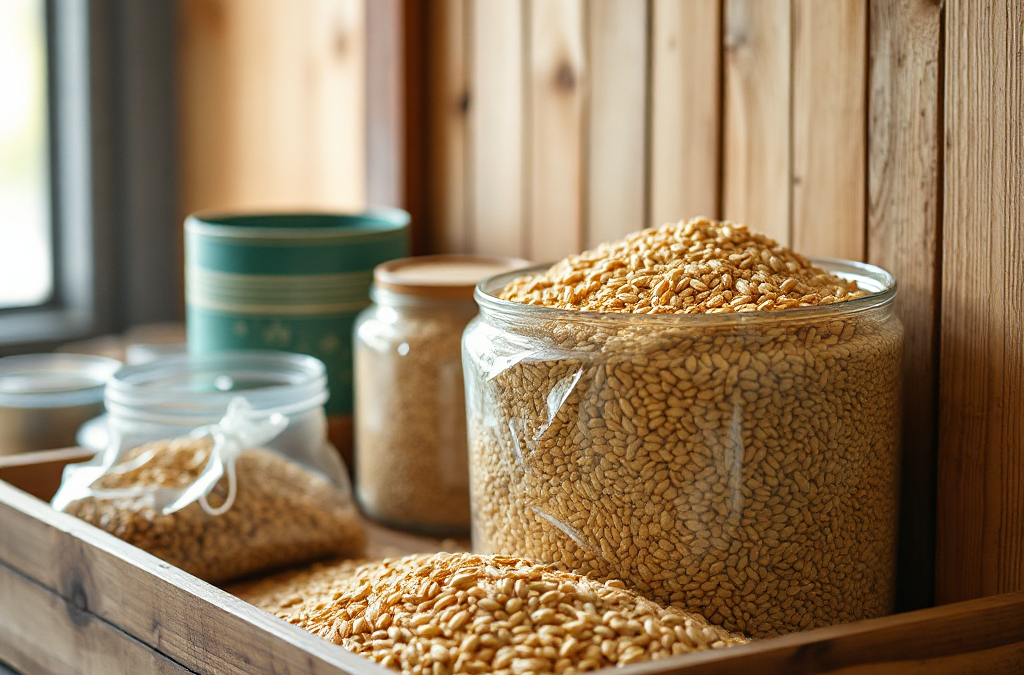
To safely rotate grain supplies, adopt a first-in, first-out (FIFO) approach, ensuring that older grain is utilized before newer stock. Regular inspections for pests and moisture are essential, as these factors can significantly impact grain quality. Store grains in a cool, dry environment to minimize spoilage risks. Additionally, clearly label storage bins with dates and types of grain to facilitate easy access and organization. This proactive management not only preserves quality but also reduces waste, ensuring that your grain supplies remain fresh and safe for use.
Understanding Grain Storage Basics
To effectively rotate grain supplies, it is crucial to understand the fundamentals of grain storage. Proper grain storage minimizes spoilage and maintains quality, which is essential for both agricultural producers and consumers. Factors such as moisture content, temperature, and pest control play significant roles in ensuring the longevity of stored grains. Grains should ideally be stored in a clean, dry environment with appropriate ventilation to prevent mold and degradation.
Moisture is the enemy of grain storage, as it can lead to the growth of fungi and bacteria, resulting in spoilage. The ideal moisture content for most grains is between 12% and 14%. Moreover, temperature fluctuations can cause condensation, further increasing the risk of spoilage. Therefore, maintaining a stable, cool temperature is vital for preserving grain quality.
Implementing a FIFO System
The first-in, first-out (FIFO) method is a practical and effective strategy for rotating grain supplies. This system ensures that older grain is used before newer grain, reducing the risk of spoilage and waste. To implement FIFO, clearly label storage bins with the date of grain storage and type. This labeling system helps in easily identifying which grain should be used first.
Additionally, organize storage areas to facilitate easy access to older supplies. For example, place newer grain behind or above older grain in storage bins. This physical arrangement encourages the use of older stock first, promoting efficient rotation. Regularly check storage areas to confirm that the FIFO system is being followed and to make adjustments as necessary.
Regular Inspection and Maintenance
Regular inspection and maintenance of grain supplies are critical for safe rotation. It is essential to conduct periodic checks for signs of pests, moisture, and spoilage. Pests such as weevils and moths can quickly infest grain supplies, leading to significant losses. Look for signs of pest activity, such as holes in bags, webbing, or unusual odors.
In addition to pest checks, monitor moisture levels using a moisture meter. If moisture levels exceed the ideal range, consider drying the grain before storage or adjusting the storage environment to reduce humidity. Implementing a maintenance schedule for inspections can help ensure that grain quality is consistently monitored, allowing for timely interventions when issues arise.
Common Mistakes to Avoid
Several common mistakes can undermine the effectiveness of grain rotation. One of the most significant errors is neglecting to monitor moisture levels and grain condition regularly. Without routine checks, it is easy to overlook spoilage or pest infestations that can compromise grain quality.
Another common pitfall is improper storage practices, such as overloading storage bins or mixing different types of grain. Overloading can lead to inadequate airflow, promoting mold growth. Mixing grains can complicate the FIFO process and lead to confusion about which grain should be used first. Therefore, maintaining organized storage and adhering to best practices in grain handling is essential for successful rotation.
Frequently Asked Questions
What is the best way to store grains?
The best way to store grains is in a cool, dry environment with controlled moisture levels, ideally between 12% and 14%.
How often should I inspect my grain supplies?
Grain supplies should be inspected at least once a month for moisture levels, pests, and signs of spoilage.
What are the signs of grain spoilage?
Signs of grain spoilage include unusual odors, discoloration, and the presence of mold or pests.
Can I mix different types of grains in storage?
It is not advisable to mix different types of grains as it complicates the FIFO process and can lead to spoilage.
What should I do if I find pests in my grain storage?
If pests are found, remove infested grain immediately and clean the storage area thoroughly to prevent further infestations.
Conclusion
Effectively rotating grain supplies is essential for maintaining quality and preventing spoilage. By implementing a FIFO system, regularly inspecting grain, and avoiding common mistakes, you can ensure your grain remains in optimal condition. Prioritize monitoring moisture levels and keeping storage areas organized to facilitate efficient rotation. Taking these steps not only helps in preserving grain quality but also minimizes waste and enhances overall efficiency in grain management.
Get Whole Wheat Flour, Grains and Milling Supplies – CLICK HERE

Auto Amazon Links: No products found.