
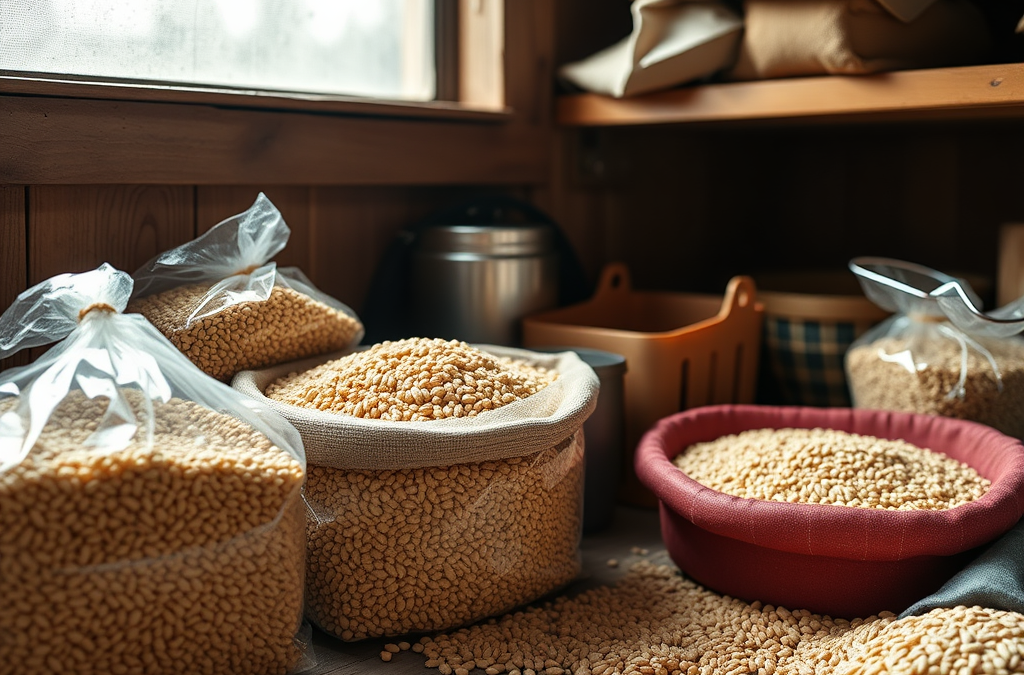
To store grains for emergency preparedness, use airtight containers, keep them in a cool, dark place, and consider oxygen absorbers to prolong shelf life. Properly stored grains can last for years, but common mistakes include using unsuitable containers or failing to monitor moisture levels, which can lead to spoilage or pest infestations. Regularly check stored grains for freshness and signs of pests to maintain quality.
Understanding Grain Storage Needs
Proper grain storage is crucial for emergency preparedness as it ensures that food supplies remain safe and nutritious over time. Grains, such as rice, wheat, and oats, can be stored for extended periods if handled correctly. Understanding the types of grains you plan to store and their specific needs is the first step. For instance, whole grains generally have a longer shelf life than processed grains due to their intact nutrient content.
While grains are resilient, they can be susceptible to pests, moisture, and temperature fluctuations. The primary goal of grain storage is to minimize these risks to maintain quality. Knowing the ideal conditions for each type of grain helps in selecting appropriate storage methods and materials.
Choosing the Right Containers
When storing grains, selecting the right containers is essential. Airtight containers are the best choice as they prevent moisture and air from entering, which can lead to spoilage. Options include food-grade plastic buckets, glass jars, or metal containers with tight seals.
For long-term storage, consider using Mylar bags with oxygen absorbers. These bags are effective at blocking light and oxygen, which can degrade grain quality over time. Ensure that any container you choose is clean and dry before filling it with grains.
A common mistake is using containers that are not food-grade, which can leach harmful chemicals into the grains. Always verify that your storage containers are safe for food use to avoid contamination.
Optimal Storage Conditions
Grains should be stored in a cool, dark, and dry environment to maximize their shelf life. Ideal temperatures range from 50°F to 70°F (10°C to 21°C). High temperatures can accelerate spoilage and decrease nutrient levels. Additionally, humidity levels should be kept low; ideally below 15% to prevent mold growth.
Basements, pantries, or dedicated storage rooms are typically suitable locations for grain storage. Avoid placing grains in areas with direct sunlight or near heat sources, such as ovens or radiators, which can raise temperatures and humidity levels.
Regularly check the storage area for signs of moisture or pests. Using desiccants can help absorb excess moisture, while regular inspections can catch potential infestations before they become a major issue.
Monitoring and Maintenance
Once grains are stored, ongoing monitoring is essential to ensure they remain in good condition. Check for signs of spoilage, such as off-odors, discoloration, or insect activity. If any signs of pests are detected, it’s crucial to address the issue immediately to prevent contamination of other stored grains.
Rotate your grain supplies periodically, using older grains first to maintain freshness. A simple labeling system can help keep track of storage dates and types of grains. This practice not only ensures quality but also helps in planning meals based on available supplies.
Get Whole Wheat Flour, Grains and Milling Supplies – CLICK HERE

Common pitfalls include neglecting to check on stored grains regularly or failing to maintain optimal storage conditions. Establishing a routine for inspections can prevent significant losses and ensure that your emergency food supply remains viable.
Frequently Asked Questions
What types of grains are best for long-term storage?
Whole grains like wheat, rice, and oats are ideal for long-term storage due to their durability and nutritional value.
How can I tell if my stored grains are still good?
Check for off-odors, discoloration, or insect activity. If grains smell rancid or show signs of mold, they should be discarded.
Can I store grains in plastic containers?
Yes, but ensure they are food-grade and airtight to prevent moisture and contaminants from affecting the grains.
What is the best temperature for storing grains?
The ideal storage temperature for grains is between 50°F and 70°F (10°C to 21°C) to maintain quality and prevent spoilage.
How often should I check my stored grains?
Regular inspections every few months are recommended to catch any signs of spoilage or pest infestations early.





