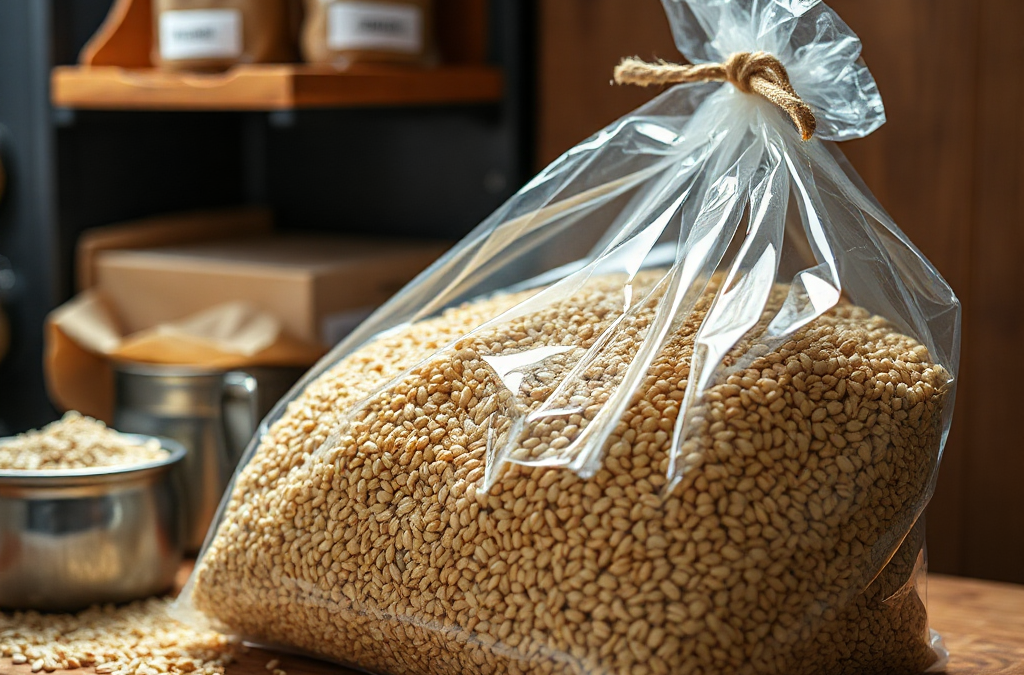
The ideal conditions for storing grains at home involve keeping them in a cool, dry place with temperatures ranging from 50°F to 70°F and humidity levels below 15%. Proper ventilation is essential to prevent spoilage and deter pests, so using airtight containers is highly recommended. Additionally, storing grains away from light helps maintain their quality over time. Regularly checking the storage environment can prevent issues like mold growth and pest infestations, ensuring that your grains remain safe and nutritious for extended periods.
Understanding Grain Preservation
Grain preservation is crucial for maintaining the nutritional value, taste, and safety of stored grains. The primary goal is to prevent spoilage, which can occur due to moisture, pests, and temperature fluctuations. Understanding the specific conditions that facilitate the longevity of grains helps individuals make informed decisions about their storage methods.
When grains are stored properly, they can retain their quality for months or even years. However, improper conditions can lead to rapid deterioration. For example, exposure to moisture can cause mold growth and attract pests, while high temperatures can degrade the grain’s quality. Therefore, grasping the importance of storage conditions is essential for anyone looking to store grains at home.
Environmental Factors Impacting Grain Storage
Several environmental factors significantly influence the effectiveness of grain storage. Temperature, humidity, and light exposure are the key elements that need to be controlled.
Maintaining a stable temperature between 50°F and 70°F is ideal for grain storage. Fluctuations in temperature can lead to condensation inside storage containers, promoting mold growth. Similarly, humidity levels should be kept below 15% to prevent spoilage. Using a hygrometer can help monitor humidity, ensuring grains remain dry.
Light exposure is another critical factor. Grains should be stored in dark areas to minimize light exposure, which can degrade the quality of the grains over time. For example, storing grains in opaque containers or in dark cabinets can help mitigate these risks.
Container Choices for Optimal Grain Storage
The choice of storage container plays a vital role in preserving grain quality. Airtight containers are preferred as they prevent moisture and pests from getting inside. Glass jars, food-grade plastic buckets, and mylar bags with oxygen absorbers are excellent options for storing grains.
Glass jars are ideal for smaller quantities and allow for easy visibility of the contents. However, for larger amounts, food-grade plastic buckets are more practical. Mylar bags, when used with oxygen absorbers, create an oxygen-free environment that further extends the shelf life of grains. It’s essential to label containers with the type of grain and the date of storage to keep track of freshness.
Get Whole Wheat Flour, Grains and Milling Supplies – CLICK HERE

Additionally, regularly inspecting stored grains for any signs of spoilage or pest activity is crucial. This proactive approach can help catch issues early and maintain the quality of the stored grains.
Common Mistakes in Grain Storage
Even with the best intentions, common mistakes can undermine grain storage efforts. One significant error is neglecting to check humidity levels. Without monitoring, grains can become damp, leading to spoilage.
Another frequent mistake is using non-airtight containers, which can allow moisture and pests to infiltrate the storage environment. It’s also critical to avoid storing grains near strong-smelling items, as grains can absorb odors, affecting their quality.
Lastly, failing to rotate stored grains can lead to older grains being forgotten and spoiled. Implementing a first-in, first-out (FIFO) system ensures that older grains are used before newer ones, maintaining freshness and preventing waste.
For those interested in deeper research on grain storage best practices, consider looking into resources provided by agricultural extensions or food safety organizations. They often offer guidelines on optimal storage conditions and techniques.
Get Whole Wheat Flour, Grains and Milling Supplies – CLICK HERE
Popular Questions
What is the fastest way to improve Table of Contents without making beginner mistakes?
The fastest way to improve Table of Contents is to simplify the process and control one variable at a time. Start with the most important baseline: define the goal, identify the main failure point, and test one change before making another. Keep short notes so you can connect the outcome to the adjustment you made. This prevents guesswork and helps you build a repeatable method instead of chasing random fixes.
What should you check first when Table of Contents is not working well?
Check the most immediate bottlenecks first: setup errors, missing inputs, bad timing, or inconsistent follow-through. Before buying anything new or changing the whole system, confirm that the basics are being done correctly and consistently. A small diagnostic checklist usually reveals the real problem faster than broad trial and error. Once the weak point is clear, make one correction and watch the result before adjusting anything else.
What common mistakes make Table of Contents harder than it needs to be?
The most common mistakes are changing too many variables at once, skipping the basics, and judging results too quickly. Many people also copy generic advice without adapting it to their exact situation, which leads to weak results and confusion. A better approach is to work from a simple baseline, make measured changes, and give each change enough time to show whether it helped. That makes progress easier to track and repeat.
Auto Amazon Links: No products found.
Further Reading
Authoritative Sources
- Maintaining Grain Quality During Long-Term Storage
cropwatch.unl.eduManaging Moisture in Stored Grain Mold growth requires moist conditions, usually above about 70% relative humidity, and warm temperatures.
- Storing Whole Grains
wholegrainscouncil.orgIf stored properly in airtight containers, intact grains will keep for up to 6 months on a cool, dry pantry shelf or up to a year in the freezer.
- Grain storage systems and effects of moisture, temperature ...
sciencedirect.comGrain moisture and temperature are the main factors that affect grain quality. These studies have mainly focused on variables such as moisture content in grain ...
- Grain Storage Guide: How to Store Wheat, Corn & Quinoa
codefine.comWhen storing wheat, you should be aiming to maintain a moisture content of 14-20%. For corn, an ideal moisture content of 15-20% should be ...