
We store grains and sweetners in these for long term in our store and our home:
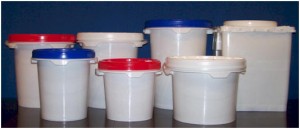
They are Food Grade quality and have a Senior Friendly/Child-safe lid. They stack for easy storage and come with your choice of lid color for coding contents (of course you can write on them!).
Currently we have one size (6.5 Gallons) available in our store, but can get many other sizes if you contact us. Visit the store at: and email or call!
Best Blessings upon your preparations!
Popular Questions
What are the best long term food storage choices for a household?
Choose a mix of shelf-stable staples, freeze-dried foods, dehydrated ingredients, and ready-to-eat items. Rice, beans, wheat, oats, pasta, canned vegetables, and canned meats can supply useful calories and nutrients when stored properly. Include cooking essentials such as salt, oil, powdered milk, and water rather than relying on one food category. Select foods your household already eats so rotation and meal planning remain practical.
How should you compare long term food storage choices by shelf life?
Check the manufacturer’s best-by guidance, packaging quality, and recommended storage conditions before buying. Dry staples packaged with oxygen absorbers in sealed containers may last for years, while home-canned foods and opened packages generally require more frequent rotation. Store food in a cool, dry, dark location because heat, moisture, and light shorten shelf life. Label each container with the purchase or packing date and use older items first.
Are freeze-dried foods better than canned foods for long term storage choices?
Freeze-dried foods are lightweight, compact, and often retain good flavor after rehydration, making them useful where storage space is limited. Canned foods are ready to use, provide moisture, and usually require less preparation, but they are heavier and their cans can corrode or dent. A balanced plan can use freeze-dried meals for long storage and portability while keeping canned proteins, vegetables, and fruits for everyday rotation. Compare serving cost, nutritional value, preparation needs, and storage space before choosing.
What should beginners consider when selecting long term food storage choices?
Start by calculating the number of people, desired storage period, available space, and any dietary restrictions. Build a basic supply of water and familiar foods before adding specialized emergency meals or bulk ingredients. Test a small package or recipe first to confirm that your household will eat it and that you have the equipment needed to prepare it. Review the inventory regularly, replace expired items, and keep a manual can opener and suitable cooking fuel available.
Auto Amazon Links: No products found.





