by Grain Storehouse Editorial Team | Nov 1, 2026 | Preparation
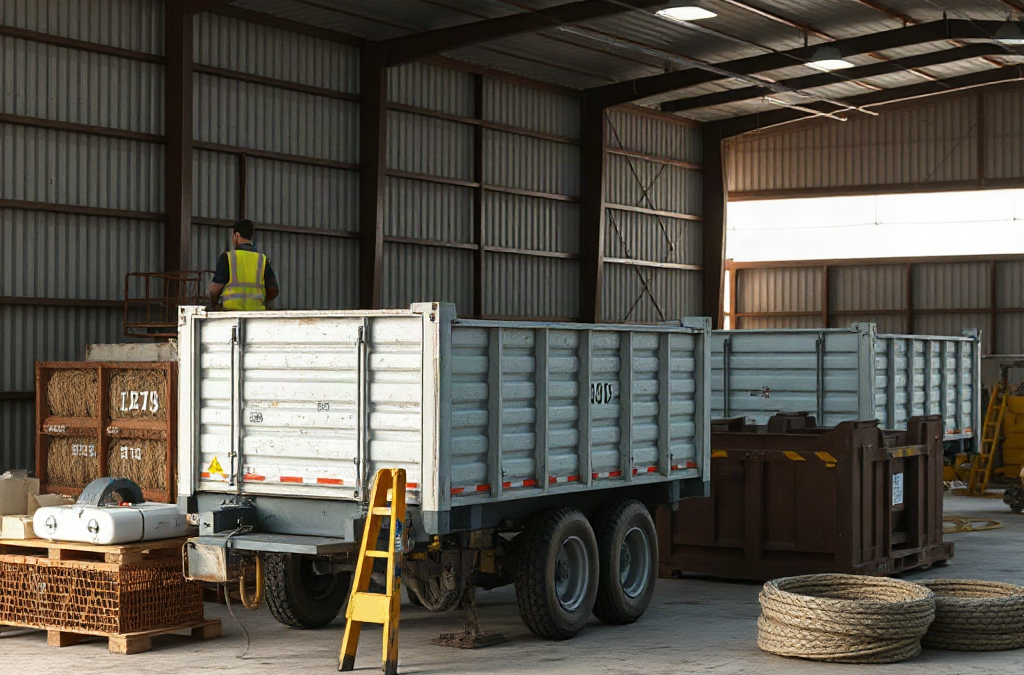
Grain carts and transfer contamination prevention depend on removing carryover grain, isolating incompatible crops, controlling moisture, and inspecting every surface along the unloading path before the next lot moves. Empty the cart fully, open accessible cleanout points, and clear the auger tube, sump, corners, tarp ledges, and discharge spout with dry cleaning methods.
by Grain Storehouse Editorial Team | Oct 31, 2026 | Disaster Preparedness
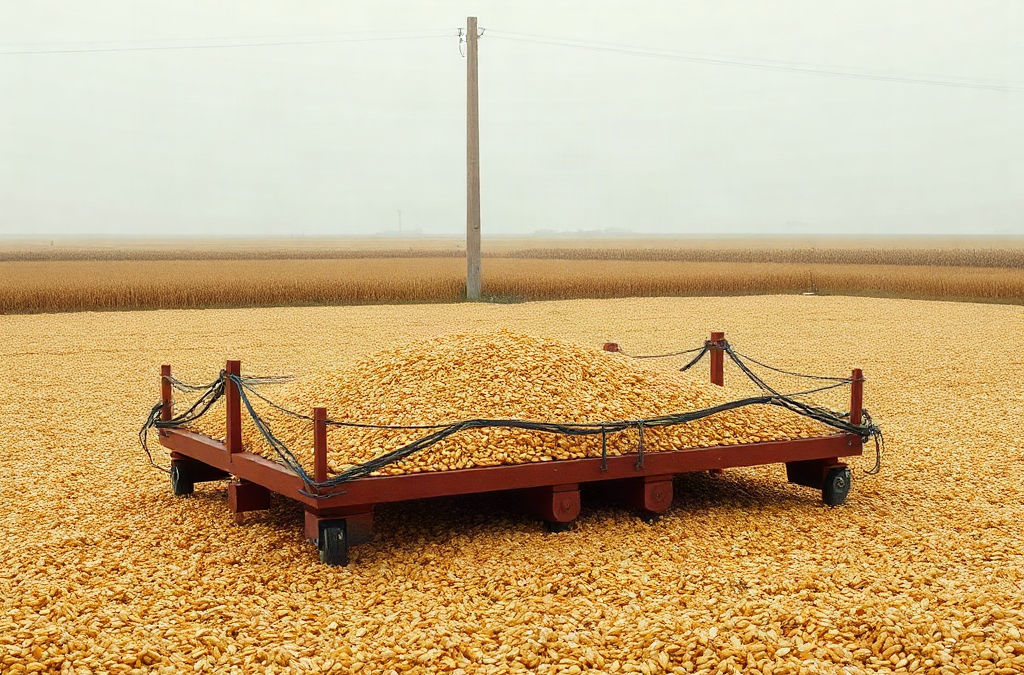
Raised grain storage platforms for flood protection work when the grain floor sits above the site’s expected flood level and the entire assembly resists water pressure, debris impact, scour, and overturning. Elevation alone is insufficient: foundations, columns, braces, connections, and anchors must carry the loaded structure under wet-ground conditions.
by Grain Storehouse Editorial Team | Oct 30, 2026 | dangerous food, Long Term Storage
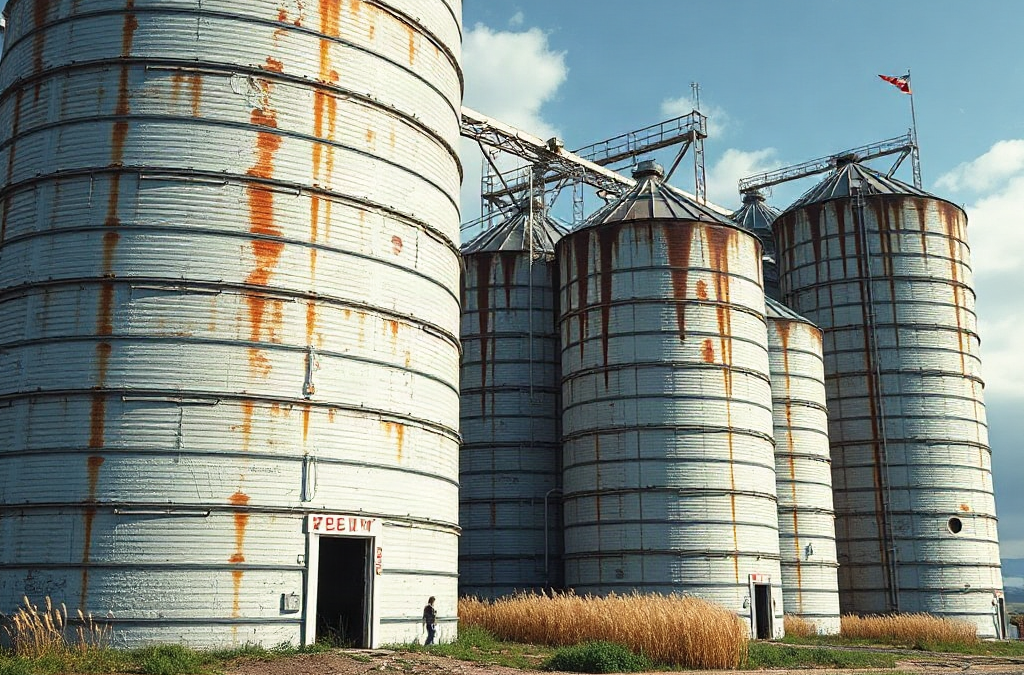
Abandoned grain silo hazards near stored food areas include structural collapse, combustible or contaminated dust, animal infestation, mold-laden debris, and water runoff that can reach food buildings or packaging. Keep people out of the silo, restrict the surrounding area, and move intact food stocks away from visible dust, falling material…
by Grain Storehouse Editorial Team | Oct 29, 2026 | Long Term Storage
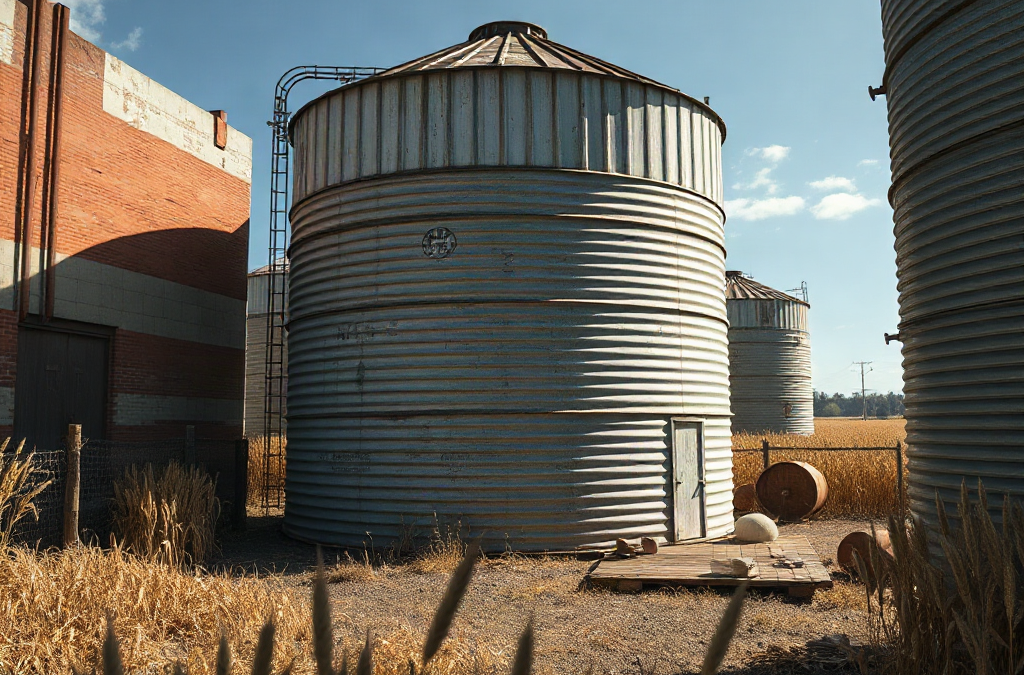
A grain bin home should be physically and operationally separated from food stocks, but no single setback distance is safe for every property. The plan should account for grain dust, pesticide or fumigant use, rodents, vehicle traffic, fire access, drainage, and whether nearby bins remain active.
by Grain Storehouse Editorial Team | Oct 28, 2026 | Long Term Storage, whole Wheat
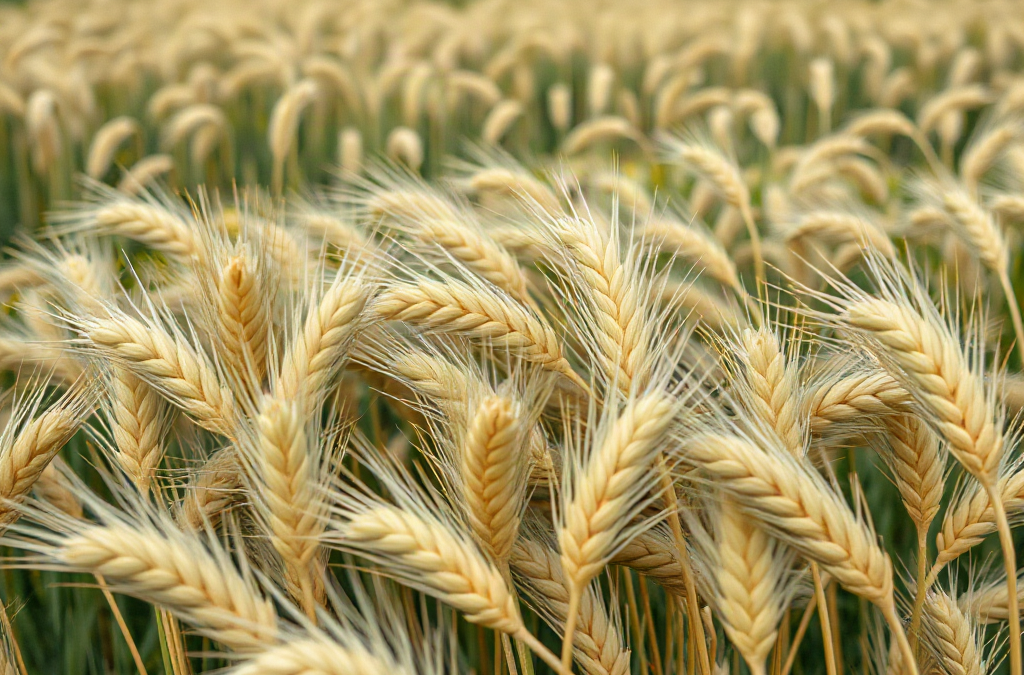
Wheat fields and regional storage climate differences are linked through harvest moisture, local humidity, temperature swings, and the storage system available after combining. Wheat grown in a dry interior region may enter storage with less ambient moisture pressure, while grain from humid or coastal areas can regain moisture during handling and aeration.
by Grain Storehouse Editorial Team | Oct 27, 2026 | growing food
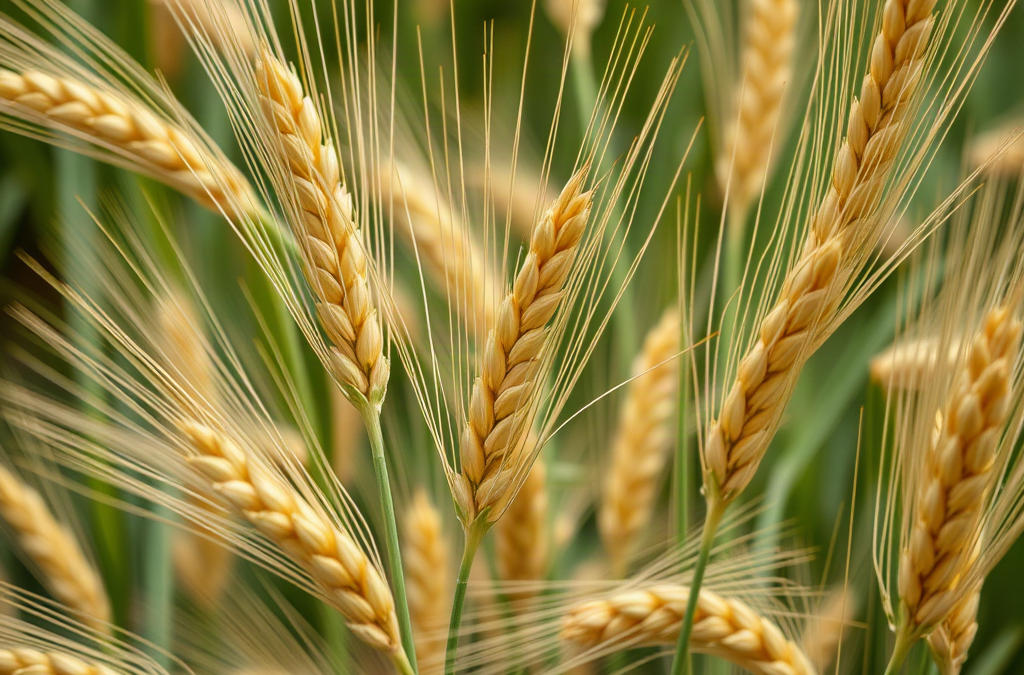
Wheat growth stages determine harvest and storage timing by showing when kernels have finished filling, reached physiological maturity, dried enough for combining, and become suitable for safe storage. Hard dough and loss of green color indicate that dry matter accumulation is nearly complete, but they do not prove the crop is dry enough to harvest.
by Grain Storehouse Editorial Team | Oct 26, 2026 | growing food
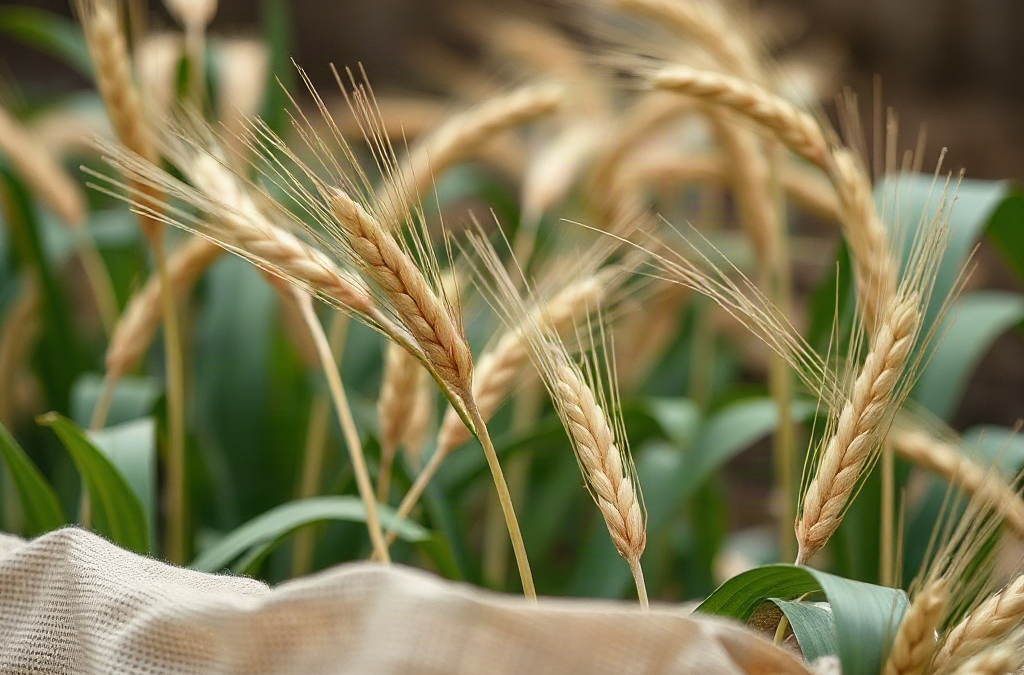
Growing wheat for dependable household grain reserves works best when planting dates, locally adapted seed, weed control, harvest readiness, and dry storage are treated as one connected system. Choose winter or spring wheat according to local climate, estimate household needs in pounds rather than field area alone, and begin with a manageable test plot.
by Grain Storehouse Editorial Team | Oct 25, 2026 | Preparation
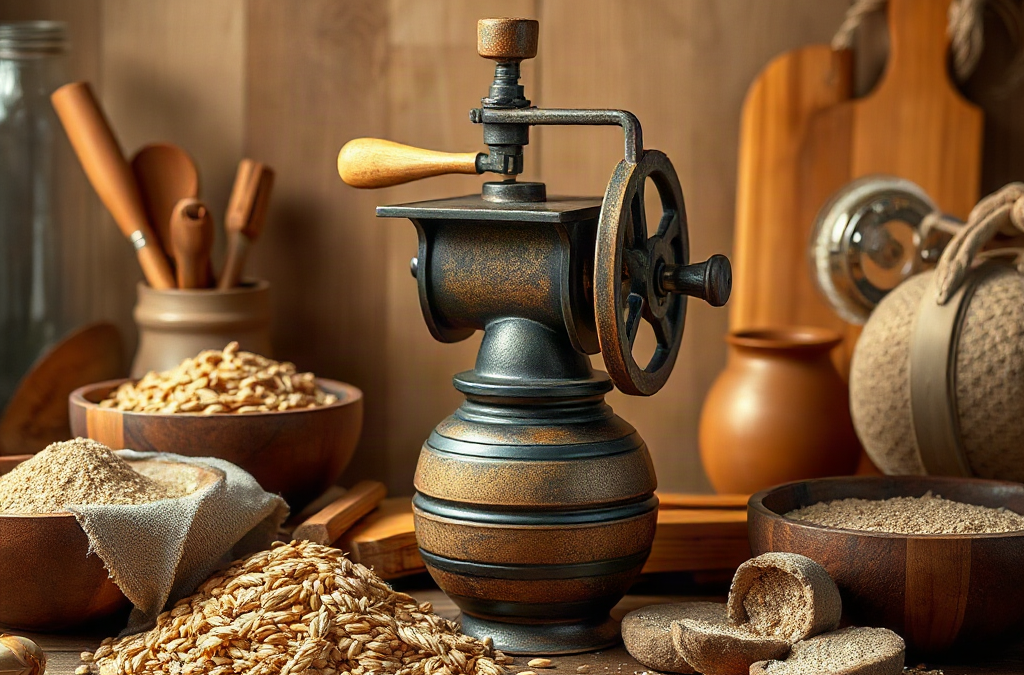
The strongest grain mill reviews assess durability and cleaning together by examining burr material, bearing support, drive components, flour-path access, and residue traps rather than relying on motor wattage or appearance. Metal burrs tolerate oily grains and incidental impact better, while stone or composite burrs often suit dry flour milling but require stricter moisture control.