Storing wheat for baking requires careful consideration of factors like moisture, temperature, and container type to ensure quality and longevity. Proper storage can help maintain the wheat's nutritional value and baking performance, ultimately enhancing your culinary results.
When it comes to baking, the quality of your ingredients is paramount, and that begins with how you store your wheat. Properly storing wheat not only maintains its freshness but also ensures optimal baking results. Factors such as moisture control, temperature stability, and the choice of storage containers play crucial roles in preserving the wheat’s quality over time. Without attention to these details, you risk spoilage, loss of flavor, and diminished nutritional value.
Many home bakers make the mistake of treating wheat like any other pantry item, often overlooking its unique storage needs. Common pitfalls include using inappropriate containers that allow moisture to seep in, storing wheat in warm areas of the kitchen, or failing to check for pests. Understanding these missteps is essential for anyone looking to maintain a ready supply of quality wheat for their baking projects.

Understanding Wheat Types and Their Storage Needs
Wheat comes in various types, each with distinct characteristics that affect how they should be stored. Hard red wheat, soft white wheat, and durum wheat have different moisture contents and gluten levels, which influence their baking qualities. For instance, hard red wheat is often preferred for bread-making due to its high protein content, while soft white wheat is ideal for pastries.
Recognizing these differences is crucial when planning storage. Hard wheat can typically be stored longer than soft wheat, but both require similar moisture control to prevent spoilage. If you’re not mindful of the specific storage needs of each type, you may end up with compromised quality, affecting your baking.
Optimal Conditions for Wheat Storage
The ideal storage conditions for wheat include a cool, dry environment. Temperature fluctuations can lead to condensation, while high humidity can promote mold growth. Ideally, wheat should be stored at temperatures below 60°F (15°C) and in environments with low humidity levels (around 60% or less).
To maintain these conditions, consider using a dedicated storage space like a basement or a climate-controlled pantry. Regularly monitoring these conditions can prevent issues before they arise, ensuring your wheat remains viable for baking.
Choosing the Right Storage Containers
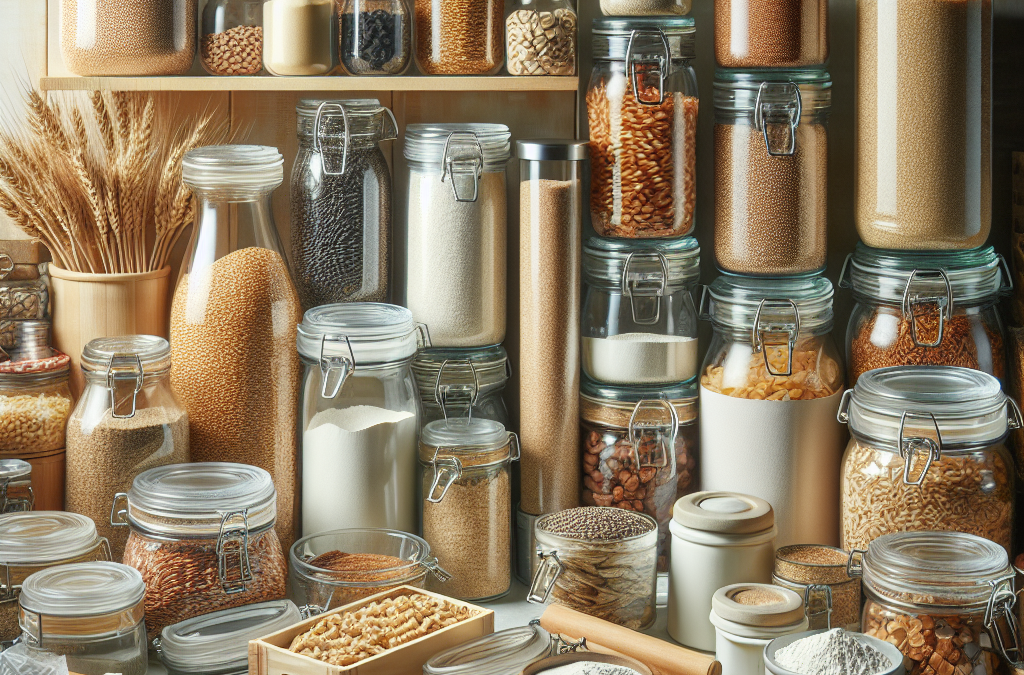
Not all containers are created equal when it comes to storing wheat. The best options are airtight containers made from materials like glass, food-grade plastic, or metal. These containers help keep moisture out while preventing pests from infiltrating your supply.
Additionally, it’s wise to label containers with the type of wheat and the date of storage. This practice not only helps you keep track of your inventory but also ensures that you use older stock first, minimizing waste.
Get Whole Wheat Flour, Grains and Milling Supplies – CLICK HERE

Common Mistakes to Avoid When Storing Wheat
One of the most frequent errors in wheat storage is neglecting to check for pests. Weevils and other insects can invade grain supplies, leading to contamination. Always inspect your wheat before storage and consider freezing it for a week to kill any potential eggs.
Another common mistake is assuming that all wheat can be stored indefinitely. While some varieties have a longer shelf life, they still require proper conditions to maintain quality. Pay attention to storage guidelines specific to the type of wheat you have to avoid unexpected spoilage.
Further Reading
For more detailed information on wheat storage, consider these resources:
Frequently Asked Questions
What is the best temperature for storing wheat?
The ideal temperature for storing wheat is below 60°F (15°C) to prevent spoilage and maintain quality.
How long can wheat be stored?
Wheat can typically be stored for 5 to 10 years if kept in optimal conditions, depending on the type.
Should I freeze wheat before storing it?
Freezing wheat for a week before storage can help eliminate potential pests and their eggs.
What containers are best for wheat storage?
Airtight containers made of glass, food-grade plastic, or metal are ideal for storing wheat to keep moisture and pests out.
How can I tell if my stored wheat is still good?
Check for any signs of moisture, pests, or off-smells. If the wheat appears dry and smells fresh, it is likely still good.
Conclusion
Storing wheat for baking is a critical step that can significantly affect your baking results. By understanding the specific needs of different wheat types, maintaining optimal storage conditions, and choosing the right containers, you can ensure that your wheat remains fresh and usable for years. Avoid common pitfalls like pest infestations and improper conditions to maximize the longevity and quality of your wheat supply. Prioritize these strategies to elevate your baking experience.
Related Content
- DIY Grain Storage Solutions from Recycled Materials
- The Best Grain Storage Practices for Homesteaders
- Grain Storage for Family Preparedness: Essential Methods for Long-Term Viability
- How to Prepare Your Pantry for Whole Grain Storage
- The Ultimate Guide to Safely Storing Grains for Long Term in 2025 Secrets
Auto Amazon Links: No products found.