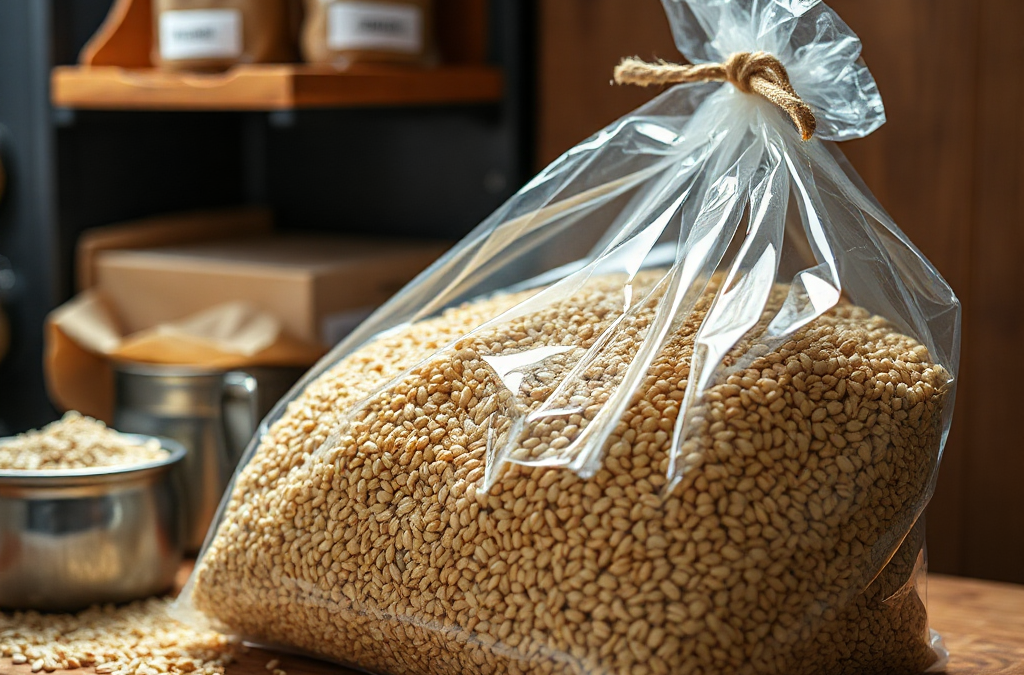
Understanding grain shelf life and safety is crucial for maintaining the quality and nutritional value of stored grains. Key factors include moisture content, temperature, and pest control, which can significantly impact shelf life. Proper storage methods, such as using airtight containers and maintaining optimal humidity levels, help ensure grains remain safe and fresh for extended periods. Regular monitoring can prevent spoilage and contamination, ensuring grains are safe for consumption.
Understanding Grain Shelf Life
Grain shelf life refers to the duration grains can be stored while maintaining their quality and safety for consumption. Various factors influence this shelf life, including the type of grain, storage conditions, and environmental factors such as humidity and temperature. Whole grains typically have a longer shelf life than processed grains due to their intact bran and germ, which contain protective oils. For instance, brown rice can last about 6 months at room temperature, while white rice can remain safe for years if stored properly.
The primary aspect of shelf life is moisture content. Grains stored with moisture levels above 14% are susceptible to mold growth, spoilage, and pest infestations. Therefore, maintaining a moisture range between 12-14% is essential. Temperature is another critical factor; grains should ideally be stored in cool, dry places to extend their usability.
Factors Affecting Grain Safety
Several factors can impact the safety of stored grains, including pest infestations, contaminants, and storage conditions. Pests such as weevils and moths can compromise grain safety by infesting stored products. Regular inspections of grain storage areas are vital to detect and manage infestations before they escalate.
Contaminants from the storage environment can also affect grain safety. For example, chemicals from nearby pesticides or cleaning agents can seep into stored grains if not properly contained. It is crucial to store grains in clean, dedicated containers that prevent exposure to harmful substances. Additionally, using food-grade storage materials helps ensure the grains remain safe from chemical leaching.
Best Practices for Grain Storage
Implementing best practices in grain storage is vital for maximizing shelf life and safety. First, choose airtight containers to minimize exposure to air and moisture. Glass, plastic, or metal containers with tight seals are ideal for this purpose. Next, maintain a consistent temperature in the storage environment, ideally below 70°F (21°C), to inhibit the growth of mold and pests.
Regularly rotating grain supplies is another effective strategy. Using the oldest grains first, known as FIFO (first in, first out), helps ensure that no grain is left to spoil over time. Additionally, consider using oxygen absorbers in sealed containers to further reduce the risk of spoilage by removing oxygen from the environment.
Common Mistakes in Grain Preservation
One common mistake in grain preservation is neglecting to monitor moisture levels. Many individuals assume that airtight containers alone will prevent moisture buildup, but it is essential to check moisture levels regularly. Using a moisture meter can provide accurate readings to help prevent spoilage.
Another mistake is not considering the impact of temperature fluctuations. Storing grains in areas with varying temperatures can lead to condensation inside containers, promoting mold growth. It is advisable to store grains in stable, temperature-controlled environments. Furthermore, failing to inspect grains regularly for signs of pests or spoilage can lead to larger problems down the line. Regularly checking stored grains ensures that any issues are addressed promptly, maintaining safety and quality.
Frequently Asked Questions
What is the ideal moisture content for storing grains?
The ideal moisture content for storing grains is between 12-14% to prevent spoilage and pest infestations.
How can I prevent pest infestations in stored grains?
Regular inspections, using airtight containers, and maintaining a clean storage area help prevent pest infestations in stored grains.
What are the signs of spoilage in grains?
Signs of spoilage in grains include off odors, discoloration, visible mold, and the presence of pests or insects.
How long can grains be stored safely?
The safe storage duration varies by grain type; for example, white rice can last up to 30 years, while brown rice lasts about 6 months if stored properly.
Is it necessary to rotate stored grains?
Yes, rotating stored grains using the FIFO method ensures older grains are used first, preventing spoilage and maintaining quality.
Conclusion
Understanding grain shelf life and safety is essential for anyone involved in grain storage. Prioritizing moisture control, maintaining proper temperature, and implementing best storage practices can significantly extend the shelf life of grains while ensuring their safety for consumption. Regularly inspecting stored grains and rotating supplies will help prevent spoilage and maintain quality. Following these guidelines allows you to enjoy the benefits of stored grains without compromising safety.
Get Whole Wheat Flour, Grains and Milling Supplies – CLICK HERE

Auto Amazon Links: No products found.
Further Reading
Authoritative Sources
- The Ultimate Guide to Long-Term Grain Storage
xifagroup.comHowever, their shelf life depends on several factors such as: Moisture levels; Temperature; Grain type or quality. For instance, hard grains ...
- Harvest strategies for managing grain quality, safety risks and ...
cfbf.usHigh-moisture grain can cause bridging and crusting in storage, disrupting flow and creating serious safety hazards for workers. Prolonged drying times can also ...
- Practice Safety with Stored Grain | CropWatch | Nebraska
cropwatch.unl.eduAs temperatures warm and you begin moving more grain, remember wet, stored grain increases grain-handling hazards. Within a few seconds grain can engulf a ...
- Grain Storage for Food Security and Safety
pub.isae.inThe postharvest losses for grains range from