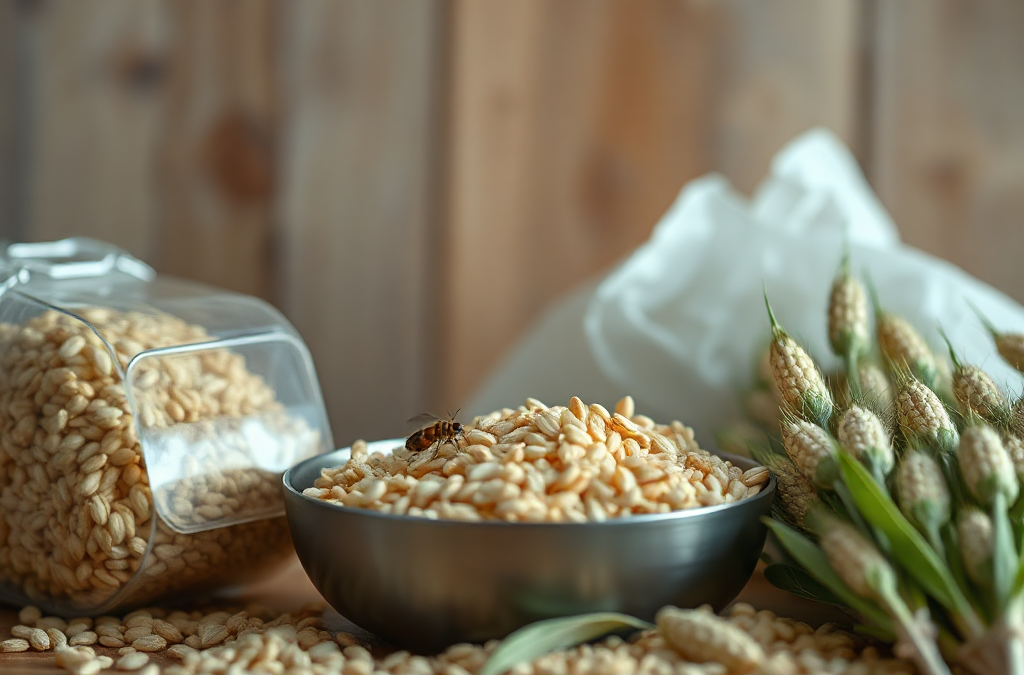
To effectively manage pests that attract to grains, start by ensuring proper storage practices, such as using airtight containers made of metal or durable plastic. Regularly inspect your storage area for signs of infestation and maintain a clean environment to eliminate potential food sources for pests. Keep moisture levels below 13% and temperatures cool, ideally below 60°F, to discourage pest development. Additionally, consider employing natural repellents or traps to further protect your grains.
Understanding Grain Pests and Their Impact
Grain pests can cause significant damage to stored grains, leading to financial losses and food safety concerns. Common pests include weevils, moths, and beetles, which thrive in warm, humid environments. Understanding these pests is crucial for effective management. They not only consume the grains but can also contaminate them with their droppings and shed skin, rendering the grains unfit for consumption.
When grains attract pests, the primary factors include moisture content, temperature, and the presence of food residues. High moisture levels create an ideal environment for pests to thrive. Thus, maintaining a moisture level below 13% is essential for grain storage. Additionally, understanding the lifecycle of these pests helps in identifying the best control measures. For instance, larvae may be present in grains long before adult pests are visible, making early detection critical.
Effective Storage Solutions to Deter Pests
Choosing the right storage solution is fundamental in preventing pest infestations. Proper sealing of grain containers is vital; airtight containers can significantly reduce pest access. Metal bins or plastic containers with tight-fitting lids are recommended over cardboard boxes, which are susceptible to pests. Additionally, when storing grains, ensure that the storage area is clean and free of any debris that could attract pests.
Temperature control also plays a significant role in pest prevention. Keeping storage areas cool can inhibit pest development. For example, maintaining temperatures below 60°F can slow down pest reproduction rates. Implementing a rotation system for stored grains helps ensure that older grains are used first, reducing the chances of infestations in stale products.
Natural and Chemical Control Methods
In cases where pests are detected, various control methods can be employed. Natural methods include the use of diatomaceous earth, which can be sprinkled in grain storage areas to deter and kill pests without harmful chemicals. Another option is the use of essential oils, such as peppermint or clove, which can repel pests due to their strong scents.
Chemical control methods include the application of insecticides specifically designed for grain storage. It’s essential to follow the manufacturer’s instructions carefully to ensure safe and effective use. Combining chemical treatments with natural methods often provides the best results. However, it is crucial to consider the potential effects on food safety and human health when using chemical options.
Regular Monitoring and Maintenance Practices
Regular monitoring of grain storage conditions is vital for early detection of pest problems. Conduct inspections every few weeks, checking for signs of pests, such as holes in grain bags or unusual odors. Keeping a log of grain conditions can help identify patterns and potential issues before they escalate.
Additionally, implementing a routine cleaning schedule for storage areas will help prevent infestations. This includes removing any spilled grains and cleaning surfaces to eliminate food sources for pests. If an infestation is detected, immediate action is necessary to minimize damage, including isolating affected grains and applying appropriate control measures.
Frequently Asked Questions
What are the most common pests found in stored grains?
The most common pests include weevils, grain moths, and various beetles that thrive in warm, humid conditions.
How can I tell if my grains are infested?
Signs of infestation include visible insects, webbing, holes in packaging, and unusual odors coming from the grains.
What moisture level should be maintained for stored grains?
Grains should be stored at a moisture level below 13% to prevent pest attraction and growth.
Are there any natural methods to repel grain pests?
Yes, using diatomaceous earth and essential oils like peppermint can naturally repel pests without harmful chemicals.
How often should I check my grain storage for pests?
Regular inspections should be conducted every few weeks to catch any signs of pest activity early.
Conclusion
Addressing pest attraction to grains requires a multi-faceted approach that includes effective storage solutions, regular monitoring, and appropriate control measures. By maintaining low moisture levels, using airtight containers, and employing both natural and chemical controls, you can significantly reduce the risk of infestations. Regular inspections and cleanliness are crucial in preventing pests from becoming a problem, ensuring that your grain storage remains safe and effective.
Get Whole Wheat Flour, Grains and Milling Supplies – CLICK HERE

Auto Amazon Links: No products found.
Further Reading
Authoritative Sources
- Every Farmer's Nightmare: Protecting Crops from Pests
kaunogrudai.ltFumigation is an effective method to combat pests in raw material and grain storage facilities. During this process, special gases are used that ...
- How to Prevent Storage Pests and Post-Harvest Loss ...
discover.hubpages.comCastor oil is used as one of the resistant oil coatings on rice. This acts as a protective coating over the rice grains which repels the pests.
- Protection of stored grains and pulses
gill.readingroo.msThis manual deals with problems concerning losses of stored products by storage pests: moulds (fungi), insects and rodents. It is targeted at.
- How to Keep Pantry Pests Out of Your Favorite Foods
astroexterminating.comTransferring dry goods into airtight containers is one of the most effective ways to keep pests out. Glass, heavy-duty plastic, or metal ...